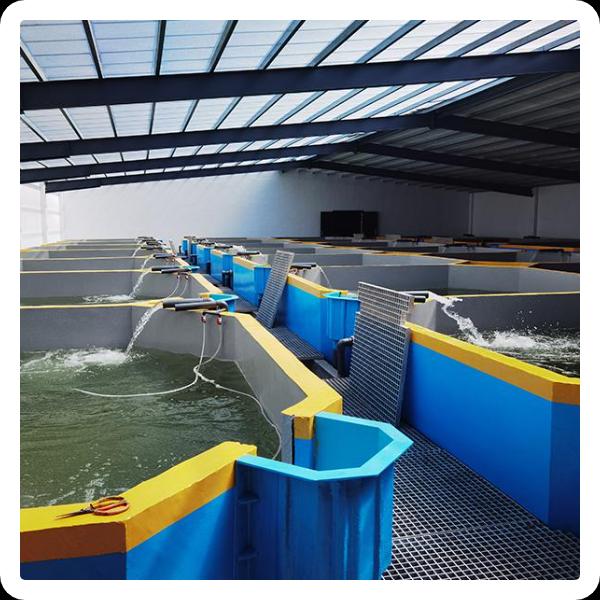
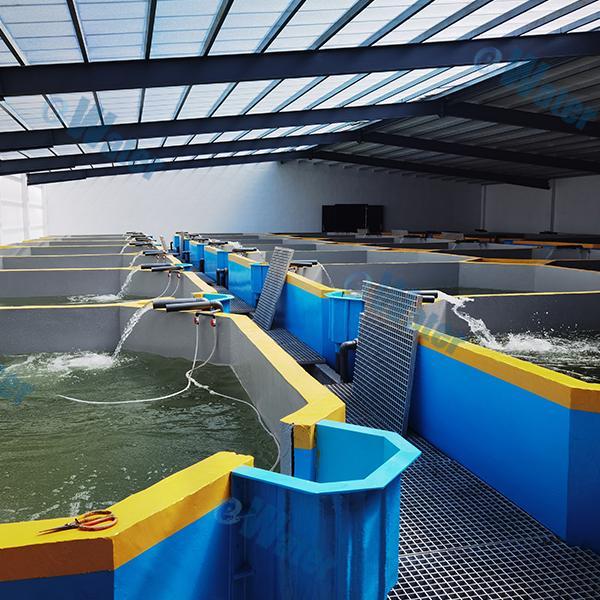
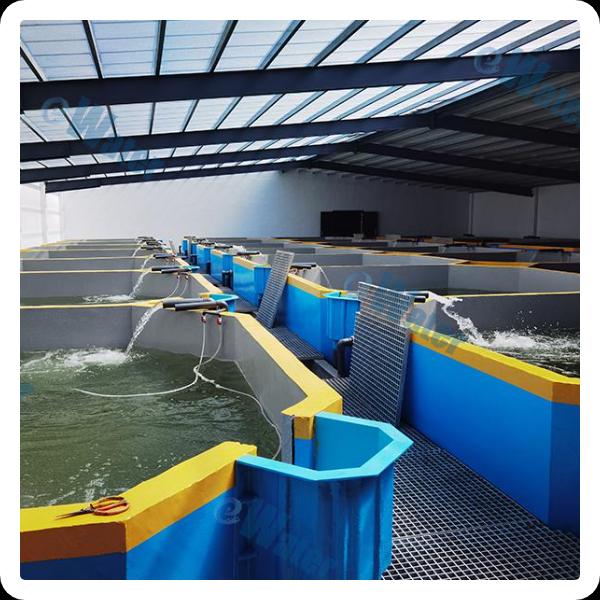
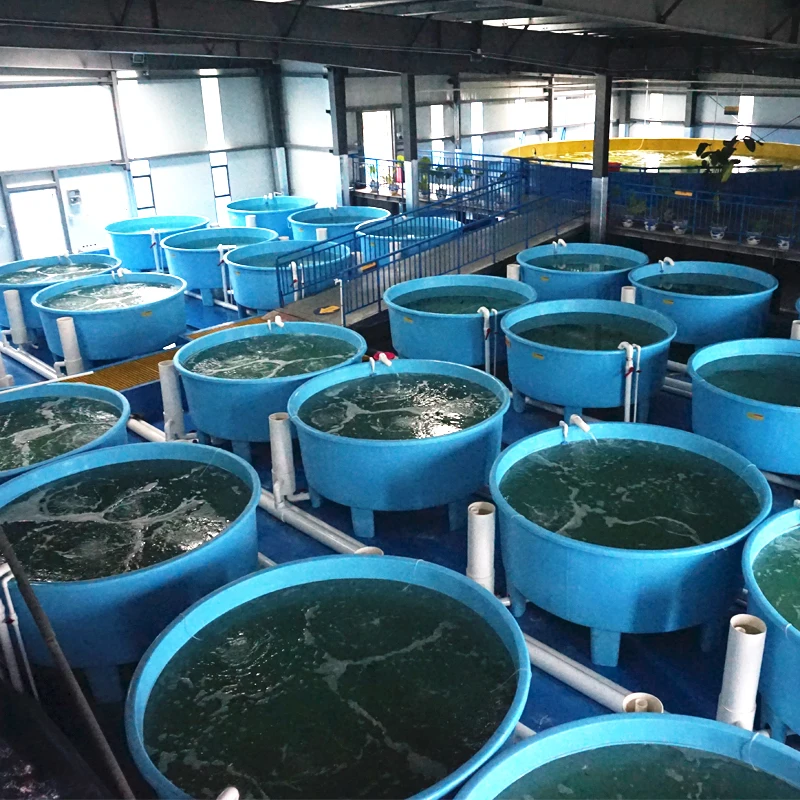
Ras aquaculture is a method for cherishing our planet. Its mission is to help fund ocean conservation efforts. An important practice in this industry is aquaculture, with its sub discipline ras aqua culture which helps us recycle and re-use water systems for fish farming efficiently. So, now jump in the well with me and let us deep dive into what advantages or innovations this method holds to offer for a healthy way that comes out of eat differently along with using it as an operation tool for providing a much better seafood products & services industries.
The benefits of Ras aquaculture compared to traditional open-ocean fishing Pros: one of the main benefits is that water constantly flows and filters through aquaponics which keeps fish in a fresh, clean environment free from diseases. This controlled environment significantly reduced the risk of diseases, giving a safe space for fish to mature and breed. Moreover, the low water consumption in such units is not only environmentally friendly and supports resource conservation.
A further characteristic of ras aquaculture is its ability to achieve a high level of control over conditions or parameters in the environment. It can allow fish to be cultivated with such regard that the water has been optimally controlled in terms of temperature, levels oxygen or kind and amount nutrients (see e.g. Imhoff et al., Wasserbau-Praxis). As a result, we are able to nurture the fish at that extra level which helps in producing faster growing sizes and healthier muscle tissue for top-class seafood products reaching consumers.
Numerous developments had been reported in ras aquaculture to improve the performance and sustainability within fishing farming systems. Current research is aimed at improving the filtration and water treatment steps according to environmental waste, new sensors that will give us a better understanding of how our food grows in order to prevent same amount wastage. In addition, the use of renewable energy sources - such as solar and wind power - is being considered by many ras aquaculture operations that could lower operating costs or lessen their carbon footprints;

Ras aquaculture is much safer choice when it comes to food safety than traditional fishing practice. Ras aquaculture raises fish in captive environments which lowers the risks for pollutants and contaminants. Moreover, the closed-loop nature of ras aquaculture systems consequently reduces antibiotic and drug consumption at high rates as use is restricted helping livestock be less threatened by disease outbreaks or development of antibiotics resistance.
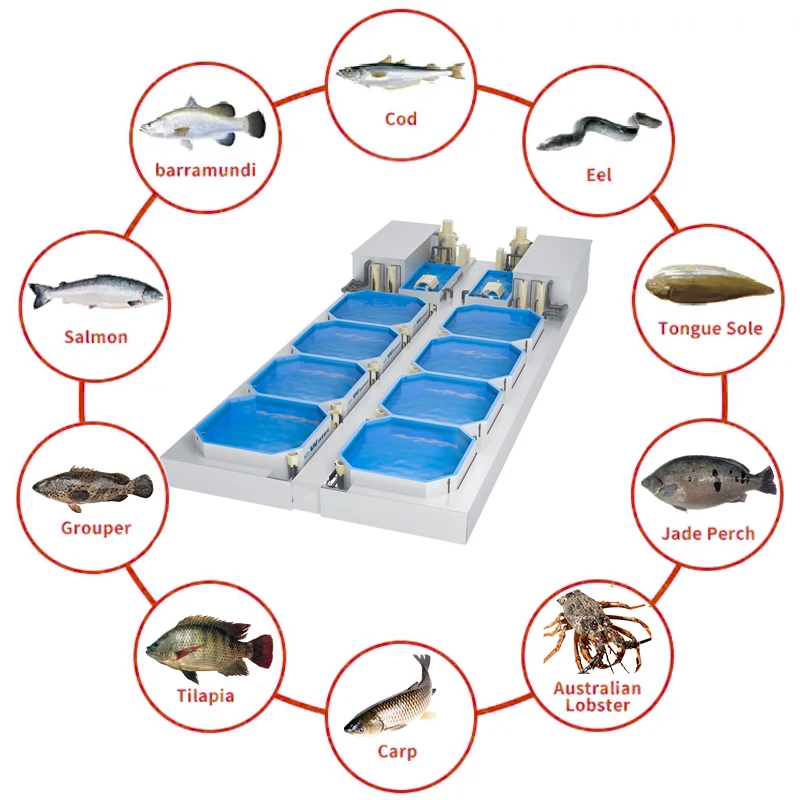
In addition to this, ras aquaculture also makes it possible for a very long list of species farmed in an environmentally friendly way. Recirculating systems open the door to more than just regular species of salmon and trout, meaning that consumers have a greater selection in what types of fish they wish eat while still being environmentally responsible.

Some steps to follow while executing ras aquaculture for fish farming Choosing the right species of fish according to your market demand and climate will be useful in this process. After that, it is important to find the best position on your property for a ras aquaculture system in relation to water supply, land availability and regulations.
Once you have your system in place it is time to control and condition the environment, readying them for what fish will thrive under optimal conditions. This can mean anything from testing the water weekly, to watching your fish closely for certain behaviors, changing nutrient levels or other conditions as needed -anything you need to do that would make sure it is a happy and healthy aquatic environment.

RAS aquaculture operations also aim to offer consumers products and services of the highest standard. These systems do not only provide luscious seafood but it is also part of several environmental conservation projects. Through embracing ras aquaculture, we can enjoy high-quality seafood products all the while protecting our planet for generations to come.
send Ras aquaculture customers' location support installation qualifications on-site. create RAS detail-oriented prints overseas customers ensure building's basic design prepared develop practical plans, including timelines labour requirements prior installation.
eWater is Ras aquaculture supplier aquaculture, specializing recirculating aquaculture systems, works our customers find best solution requirements.
eWater Ras aquaculture seeking out innovative RAS solutions lowers energy used greater productivity. achieved 400 RAS world September 2022.
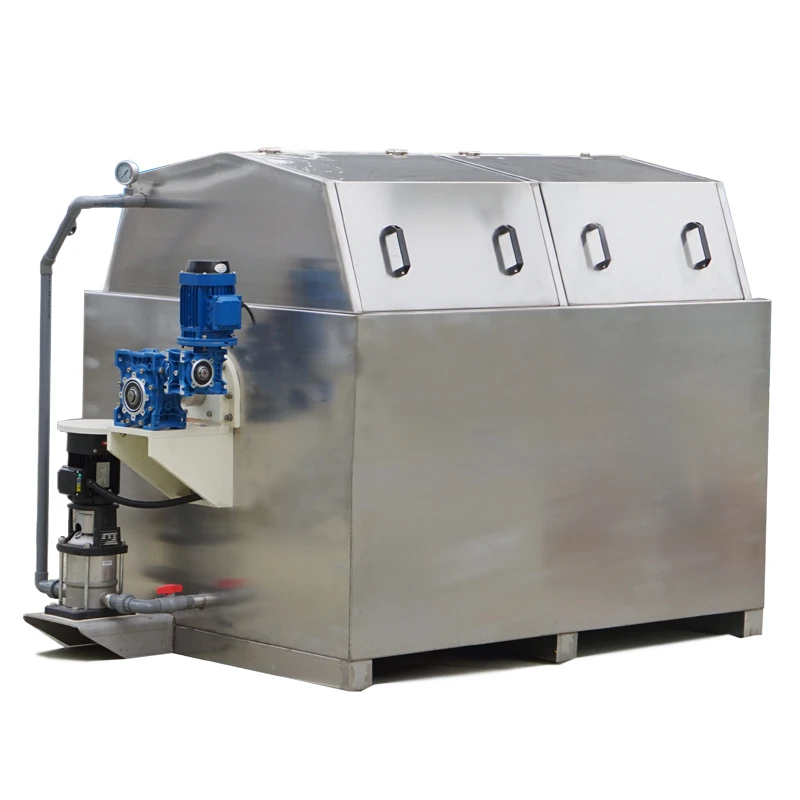
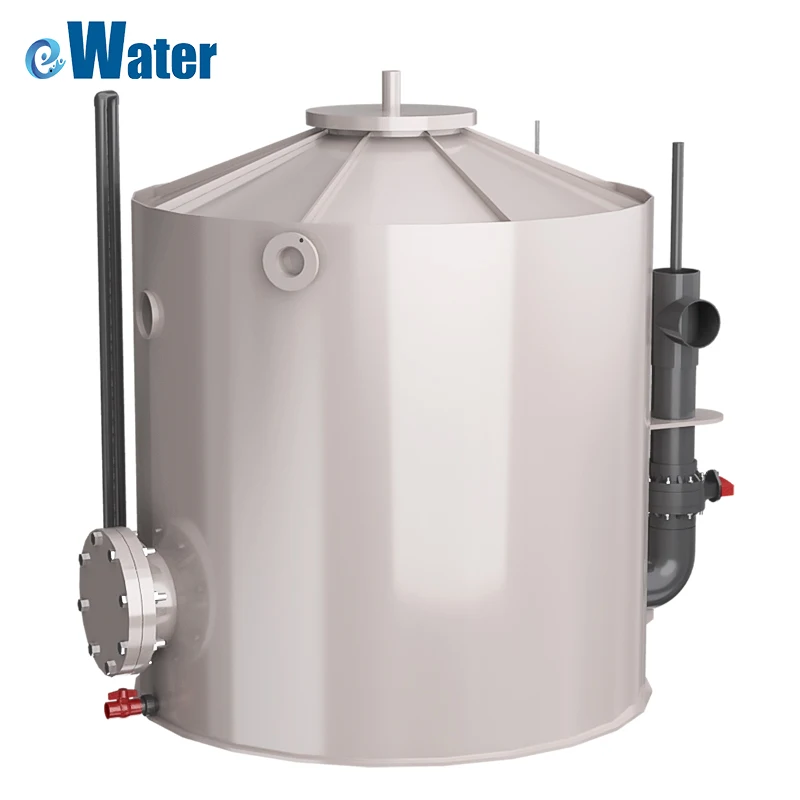
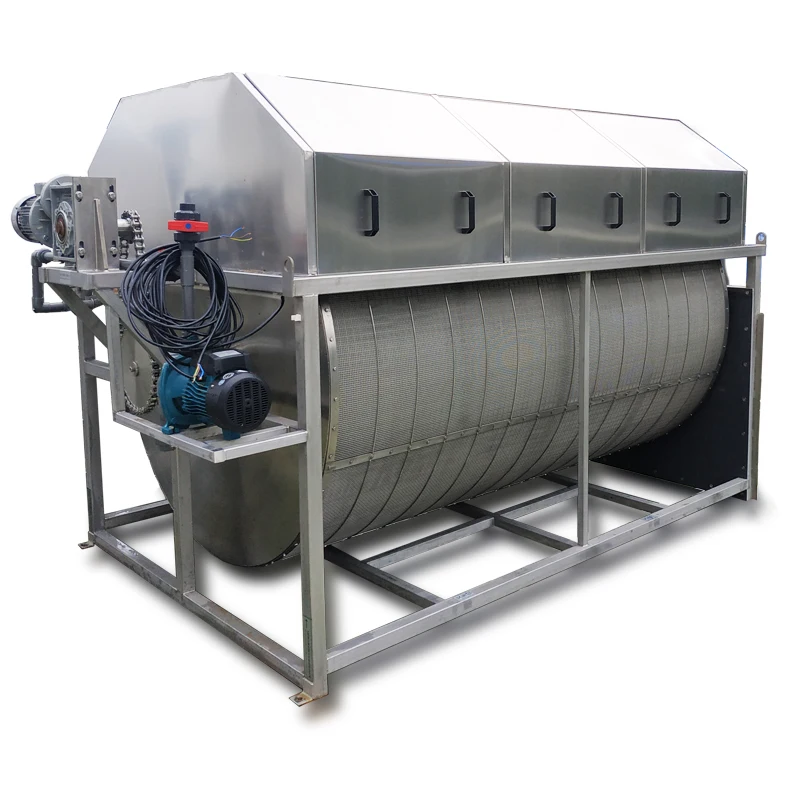
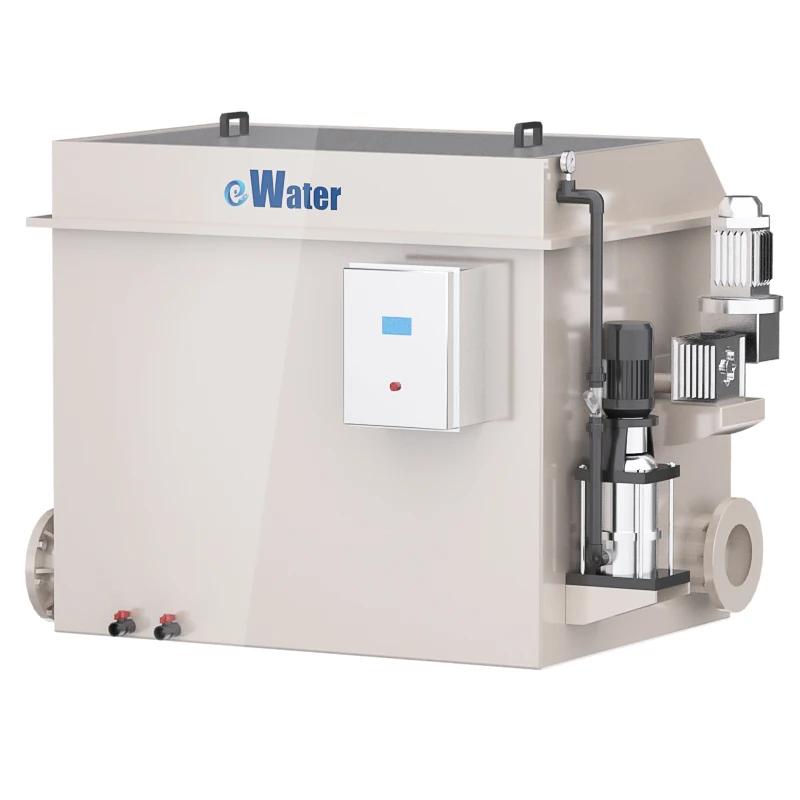
eWater manufactures most RAS Ras aquaculture. created Gen-3 Rotating drum filters Gen-2 protein skimmers Gen-3 Gen-3 oxygenation systems 2018. offer 3-year warranty promise provide quality products technical service. ISO/CE certification granted 2016.
Our professional sales team are waiting for your consultation.