
 EN
EN
 AR
AR
 BG
BG
 HR
HR
 CS
CS
 DA
DA
 NL
NL
 FI
FI
 FR
FR
 DE
DE
 EL
EL
 HI
HI
 IT
IT
 JA
JA
 KO
KO
 NO
NO
 PL
PL
 PT
PT
 RO
RO
 RU
RU
 ES
ES
 SV
SV
 TL
TL
 IW
IW
 ID
ID
 SR
SR
 UK
UK
 VI
VI
 HU
HU
 TH
TH
 TR
TR
 AF
AF
 BN
BN
 LO
LO
 LA
LA
 MY
MY
 UZ
UZ

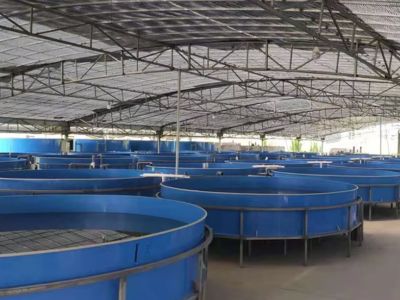
Inland shrimp farming system equipment in low-salinity waters is becoming quite popular. There are many reasons for this trend. First, it allows farmers to grow shrimp in places where saltwater is not available. This is especially helpful in areas where the ocean is far away. Companies like eWater are helping farmers by providing the right tools and knowledge. With the right methods, people can raise shrimp successfully in freshwater. This type of farming is good for the environment and can help local economies. Farmers must learn how to manage their water, feed their shrimp properly, and keep them healthy. It’s not just about having shrimp; it’s about doing it the right way
How to Ensure Maximum Yield in Low-Salinity Shrimp Culture
To get the best results from ras shrimp farming, it’s important to control the water quality. Farmers should check the salinity levels regularly. Low-salinity water is good for certain shrimp species, but too much freshwater can harm them. It’s like a balance; too much or too little of anything can cause problems. Using filters to clean the water is a smart idea. This keeps harmful substances away from the shrimp. eWater provides systems that help farmers maintain this balance easily. Another key to a good yield is making sure the shrimp get enough food. High-quality feed can make a big difference. Farmers should choose feed that has the right nutrients for shrimp growth. It’s also vital to feed them the right amount. If they get too much, it can pollute the water, and if they don’t get enough, they won’t grow well. Shrimp need space too! If they are crowded, they can get sick or die. Therefore, farmers should keep track of how many shrimp are in their ponds. Regularly checking for diseases is essential. Farmers must be proactive about keeping the shrimp healthy. Vaccines and treatments should be used when necessary. eWater can help farmers by providing training on how to recognize signs of illness quickly. Lastly, creating a good environment is important. Having plants or other natural elements in the water can help shrimp feel safe. It also helps keep the water clean. The more farmers understand their shrimp's needs, the better their yield will be
What Techniques Improve Shrimp Survival Rates in Freshwater Conditions
Improving shrimp farm equipment survival rates in freshwater is all about care and knowledge. One simple yet effective technique is to perform regular water tests. Farmers should check for ammonia, nitrite, and pH levels. These elements can harm shrimp if they go out of balance. eWater provides testing kits that make this task easier. Another technique is to use aeration. Adding oxygen to the water helps shrimp breathe better and stay healthy. Using aerators can be a game-changer, especially in warmer weather when oxygen levels can drop. Besides that, feeding shrimp the right type of food is crucial. Farmers should look for feeds that are easy to digest and have all the nutrients shrimp need. This helps them grow strong and resist diseases. In addition, providing a good habitat can greatly improve survival rates. Shrimp like places to hide, like plants or structures in the water. This makes them feel safe from predators. Farmers can also create separate areas for different sizes of shrimp. This keeps bigger shrimp from eating the smaller ones. Another important point is to control pests and predators. If there are too many harmful insects or other creatures, they can attack the shrimp. Using nets or natural repellents can help keep these threats away. Farmers should also make sure to train their staff properly. Knowledgeable workers can help notice problems before they escalate. eWater offers training sessions that teach farmers about best practices for shrimp care. All these techniques, when combined, can lead to healthier shrimp and a better chance for success
How to Identify the Best Practices for Sustainable Inland Shrimp Farming
Sustainable inland shrimp farming means growing shrimp in a way that is good for both the environment and the people who farm them. To find the best practices for this type of farming, it is important to understand a few key ideas. First, make sure to choose the right location. Shrimp thrive in low-salinity waters, which means you need to find areas where the water is not too salty. This can be rivers or ponds that have fresh water. Next, focus on water quality. Clean water is vital for the health of shrimp. It is important to check the water regularly for things like temperature, pH levels, and oxygen. Keeping the water clean helps the shrimp grow big and strong. Also, think about feeding the shrimp properly. Using high-quality feed can help the shrimp grow faster and healthier. It is best to feed them food that is rich in protein and other nutrients. This way, you can ensure that your shrimp will be strong and tasty when they are ready to sell. Another best practice is to manage the number of shrimp in each pond. Overcrowding can lead to diseases, so it is best to keep the number of shrimp at a level that allows them to grow without stress. Finally, consider working with experts. Companies like eWater can help you learn more about shrimp farming and how to do it in a way that is good for the environment. They offer training and resources that can make your shrimp farming more successful and sustainable
Where to Find Reliable Suppliers for Premium Low-Salinity Shrimp
When starting an inland shrimp farm, finding the right suppliers is very important. Reliable suppliers can provide you with premium low-salinity shrimp that will grow well in your farm. One good way to find these suppliers is to research online. You can search for companies that specialize in shrimp farming and look for reviews and feedback from other farmers. This will help you see which suppliers have a good reputation. Another option is to attend agricultural shows or farming fairs. These events are great places to meet suppliers face-to-face and ask them questions about their shrimp. You can learn about their breeding practices, the health of their shrimp, and how they ensure the shrimp are low-salinity. Networking with other shrimp farmers is also a smart move. Joining local farming groups or online forums can connect you with experienced farmers who can recommend trustworthy suppliers. They can share their experiences and advice on where to buy the best shrimp. Plus, you might find suppliers who are close to your area, making it easier to get the shrimp you need without long shipping times. Always make sure to visit the supplier if possible. Seeing their facilities and how they care for their shrimp can give you a better idea of the quality you can expect. Companies like eWater can also help you find reliable suppliers, as they often have connections in the industry and can guide you to the best choices
How to Leverage Technology for Efficient Inland Shrimp Farming Operations
Technology plays a big role in making inland shrimp farming better and more efficient. By using the right tools, farmers can improve their operations and grow healthier shrimp. One way to use technology is by monitoring water quality. There are special devices that can check the water temperature, oxygen levels, and pH right away. This means farmers can know if the water is good for the shrimp without waiting for lab results. Keeping an eye on these factors helps prevent problems before they start. Another exciting technology is automated feeding systems. These machines can feed shrimp on a schedule, ensuring they get the right amount of food at the right time. This not only saves time for farmers but also helps the shrimp grow better because they always have food available. Additionally, using software to track shrimp growth and health can be very helpful. Farmers can record data about how fast the shrimp are growing and if they are healthy. This information can help them make better decisions about feeding and managing their ponds. eWater provides tools and resources that can help farmers use technology effectively in their operations. By embracing technology, shrimp farmers can work smarter, not harder. This leads to better shrimp production and helps meet the demand for delicious, sustainable shrimp. Overall, using technology in shrimp farming can make the process easier and more productive, leading to a successful business.
Table of Contents
- How to Ensure Maximum Yield in Low-Salinity Shrimp Culture
- What Techniques Improve Shrimp Survival Rates in Freshwater Conditions
- How to Identify the Best Practices for Sustainable Inland Shrimp Farming
- Where to Find Reliable Suppliers for Premium Low-Salinity Shrimp
- How to Leverage Technology for Efficient Inland Shrimp Farming Operations