
 EN
EN
 AR
AR
 BG
BG
 HR
HR
 CS
CS
 DA
DA
 NL
NL
 FI
FI
 FR
FR
 DE
DE
 EL
EL
 HI
HI
 IT
IT
 JA
JA
 KO
KO
 NO
NO
 PL
PL
 PT
PT
 RO
RO
 RU
RU
 ES
ES
 SV
SV
 TL
TL
 IW
IW
 ID
ID
 SR
SR
 UK
UK
 VI
VI
 HU
HU
 TH
TH
 TR
TR
 AF
AF
 BN
BN
 LO
LO
 LA
LA
 MY
MY
 UZ
UZ

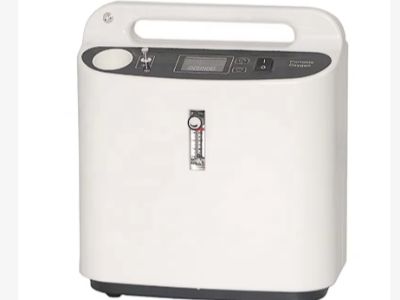
Recirculating aquaculture systems (RAS) are smart ways to raise fish and other aquatic animals on land. They work by recycling water in a closed system. This means that instead of taking water from rivers or oceans, RAS cleans and reuses the same water over and over again. This is good for the environment because it helps save water and reduces waste. Using eWater's technology, farmers can grow healthy fish in a safe and controlled environment, making it ideal for land farms. Land farms can provide fresh fish to local markets, and they can do this without harming natural water sources.
How to Maximize Efficiency with Recirculating Aquaculture Systems in Land Farms
To make the most out of a recirculating aquaculture system, farmers need to focus on a few key things. First, water quality is super important. eWater offers systems that help keep the water clean and healthy for fish. They provide filters and oxygenators that make the water perfect for fish to live and grow. Also, keeping the temperature steady is key. Fish are very sensitive to temperature changes, so eWater's systems can help monitor and adjust the water temperature. recirculating aquaculture systems way, fish stay comfortable and healthy. Next, using the right feed for fish is crucial. eWater can guide farmers on choosing the best food that gives fish the nutrients they need to grow strong. When fish are healthy, they grow faster, which means farmers can sell them sooner. Lastly, keeping track of everything is essential. Farmers should use technology to monitor water levels, fish health, and feeding schedules. eWater can help with tools that make it easy to see how everything is going. By focusing on these areas, farmers can run their systems smoothly and efficiently, leading to better fish production and less waste.
Where to Find the Best Recirculating Aquaculture Systems for Wholesale Purchase
Finding the right recirculating aquaculture systems for land farms can be tricky, but there are great options out there. eWater is a top choice for farmers looking to buy wholesale systems. They offer a variety of products that cater to different needs, whether you're starting small or looking to expand. Farmers can visit eWater's website to see all the products they have. It's easy to navigate and has detailed information about each system. Sometimes, it's also helpful to reach out to local agricultural fairs or expos. These Sustainable Aquaculture often showcase the latest technology in aquaculture and provide a chance to meet with eWater representatives directly. This way, farmers can ask questions and get advice tailored to their specific needs. Additionally, networking with other farmers who already use RAS can give insights on where to buy and what systems work best. By combining research, local events, and community advice, farmers can find the perfect recirculating aquaculture system to help their land farms thrive.
What Are the Key Advantages of Recirculating Aquaculture for Sustainable Farming?
Recirculating Aquaculture Systems (RAS) are a great way to farm fish and other water animals in a safe and healthy way. One of the best things about RAS is that it uses less water than traditional farming methods. In a regular fish farm, a lot of water is used and then wasted. But with RAS, the water is cleaned and reused over and over again. This means that we can save water, which is very important, especially in places where water is hard to find. Another advantage of RAS is that it helps keep the fish healthy. Since the water is filtered and cleaned, there are fewer diseases and harmful things in the water. This means the fish can grow faster and be healthier, which makes them better for people to eat. eWater is a company that works hard to make RAS even better by using smart technology to track how the fish are doing and to ensure the water is always clean.
RAS also allows farmers to grow fish anywhere, even in places where it is not possible to have a traditional fish farm. For example, if someone lives far away from the ocean or a river, they can still farm fish in a building or on land. This makes it possible for more people to start their own fish farms, which is good for the economy. Additionally, RAS is good for the environment. In traditional fish farms, fish can escape into the wild and cause problems in natural ecosystems. With RAS, the fish are kept in a controlled environment, reducing the risk of them mixing with wild fish. Loop Water Systems helps protect nature while still providing a source of food. All these benefits make RAS an ideal choice for sustainable farming, helping both people and the planet.
What Common Challenges Do Wholesale Buyers Face with Traditional Aquaculture?
Wholesale buyers, the people who buy fish in large amounts to sell to stores or restaurants, often have problems with traditional aquaculture. One big challenge is the quality of the fish. In traditional farms, the water quality can change a lot, which affects how healthy the fish are. Sometimes, the fish might not taste as good because of the water they live in. This can make it hard for buyers to sell the fish to their customers. Since eWater focuses on improving water quality, buyers can trust that the fish they get from a recirculating aquaculture system will taste fresh and delicious.
Another issue with traditional aquaculture is that fish farming can be affected by weather. If there is too much rain or not enough, it can harm the fish and reduce their growth. This means that wholesale buyers may not get the amount of fish they expected. They have to deal with shortages, which can lead to lost sales and unhappy customers. With RAS, the environment is controlled, so fish are less affected by outside weather. This means that buyers can rely on getting the fish they need, all year round.
Additionally, traditional farms can have problems with diseases. When many fish are kept close together, diseases can spread quickly. This can lead to losses for farmers and fewer fish for wholesale buyers. RAS helps fight this problem because the water is cleaned and filtered, reducing the chance of disease. This means more healthy fish for buyers to purchase. Overall, the challenges of traditional aquaculture can make it hard for wholesale buyers, but with RAS, they can find a better solution that offers quality and reliability.
What Are the Latest Trends in Recirculating Aquaculture for Wholesale Markets?
Recirculating aquaculture is becoming more popular, and there are some exciting trends that are changing the way fish is farmed. One trend is the use of technology to monitor fish and water conditions. Companies like eWater are using sensors and smart systems to check the health of fish and the quality of the water. This means farmers can quickly fix problems and keep their fish happy and healthy. Wholesale buyers benefit because they know they are getting fish that are raised in the best conditions.
Another trend is the focus on growing more types of fish. In the past, most fish farms only raised a few kinds of fish, like salmon or tilapia. Now, with RAS, farmers can grow many different species, including some that are less common. This gives wholesale buyers more options to choose from and helps them offer a variety of products to their customers. It also encourages biodiversity, which is good for the environment.
Sustainability is also a big part of the latest trends in recirculating aquaculture. More people are becoming aware of the need to protect our planet, and they want to buy food that is grown in a way that is good for the Earth. RAS systems are designed to be eco-friendly, using less water and producing less waste. This is attractive to buyers who want to sell sustainable products to their customers. As the demand for sustainable seafood grows, RAS will likely continue to expand and provide a solution that meets the needs of both the market and the environment. By embracing these trends, wholesale markets can help support a healthier future for fish farming and the planet.
Table of Contents
- How to Maximize Efficiency with Recirculating Aquaculture Systems in Land Farms
- Where to Find the Best Recirculating Aquaculture Systems for Wholesale Purchase
- What Are the Key Advantages of Recirculating Aquaculture for Sustainable Farming?
- What Common Challenges Do Wholesale Buyers Face with Traditional Aquaculture?
- What Are the Latest Trends in Recirculating Aquaculture for Wholesale Markets?