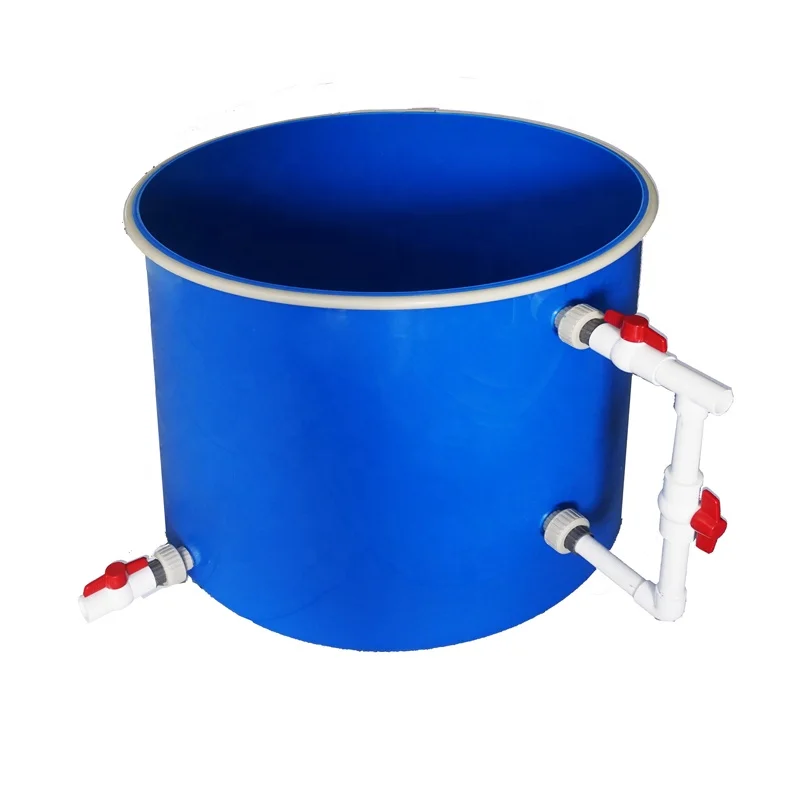
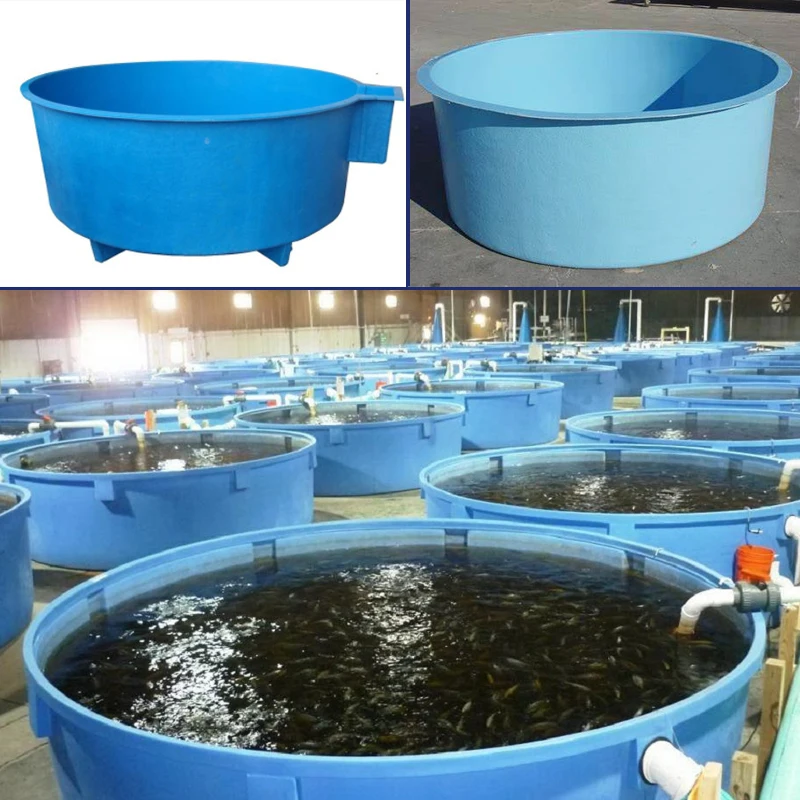
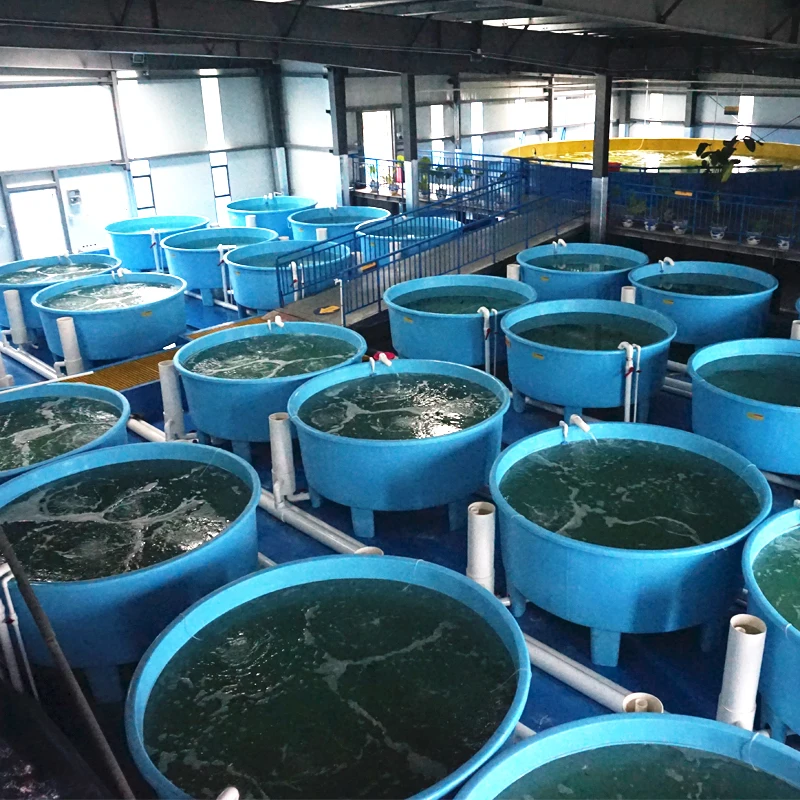
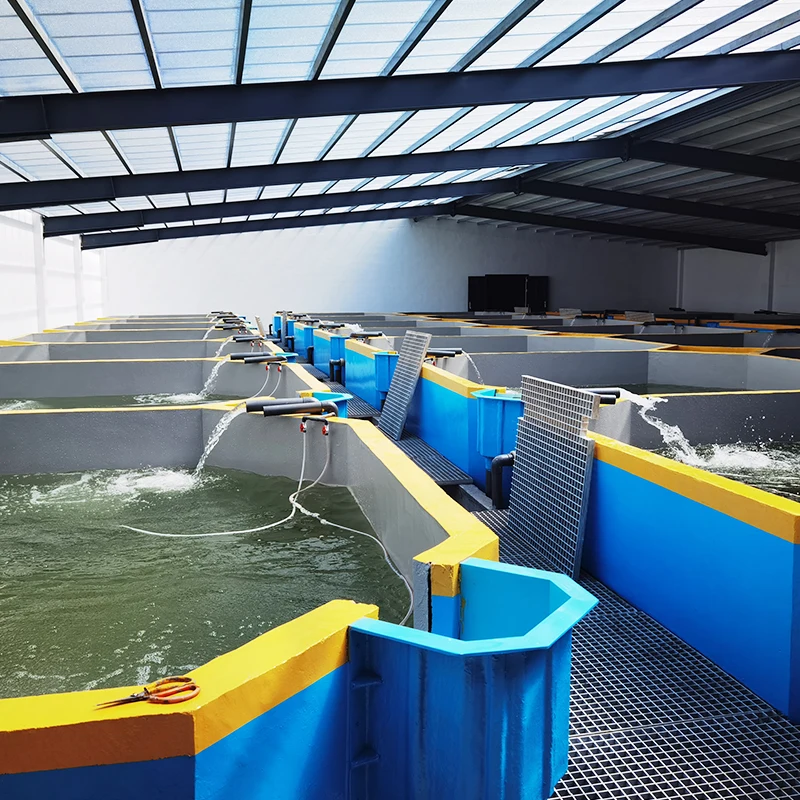
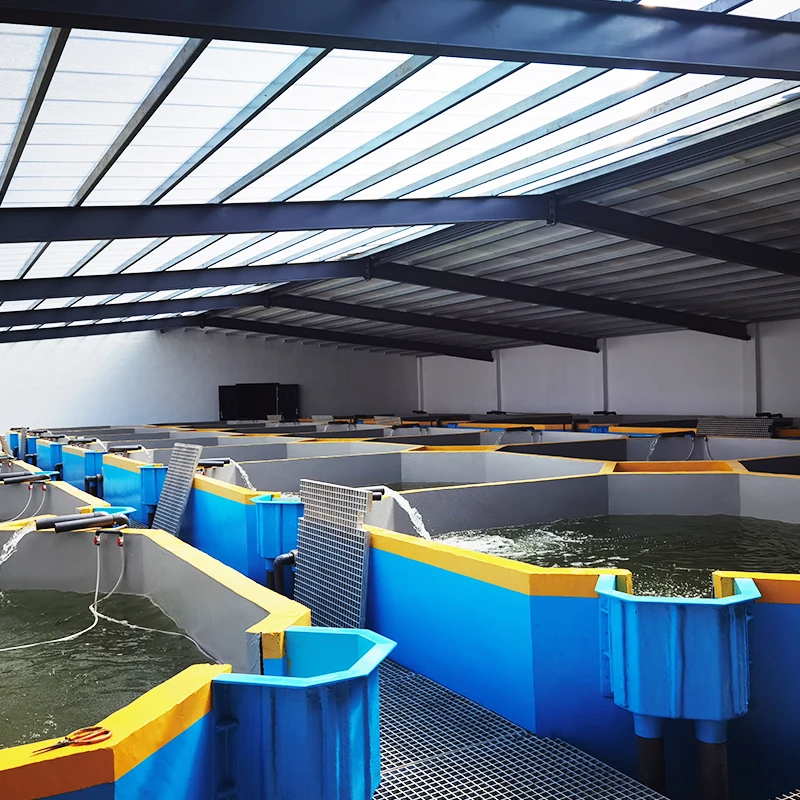
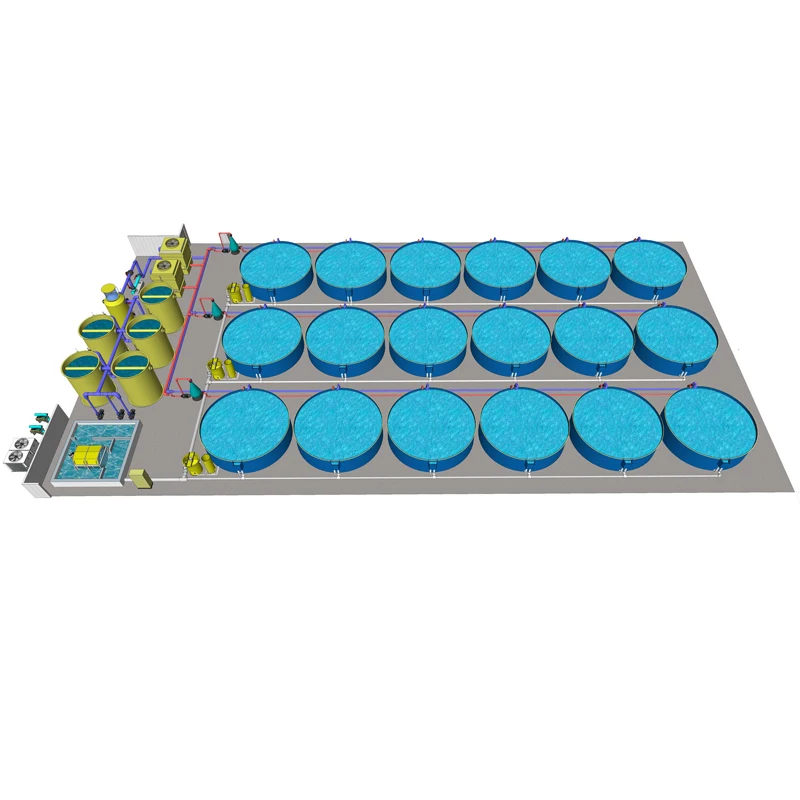
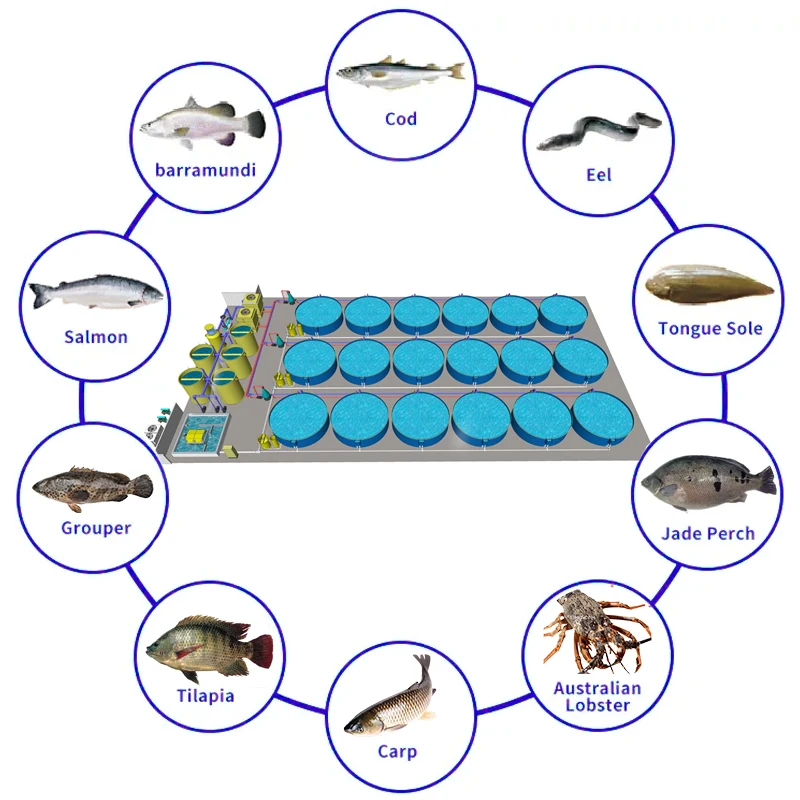
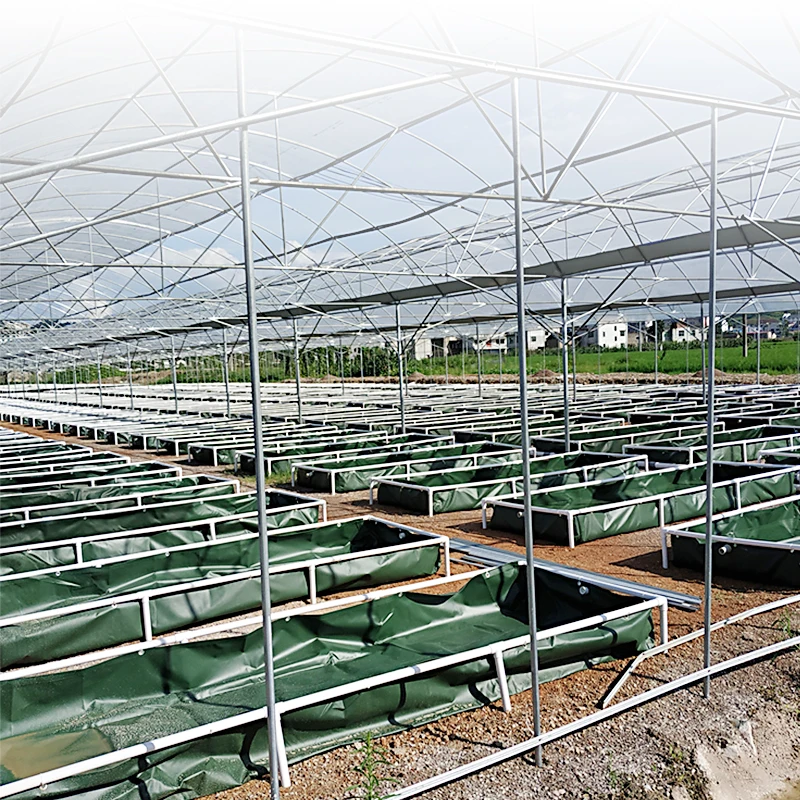
Starting a bass fish farming business can be exciting! First, you need to decide where you want to set up your farm. It could be in your backyard if you have enough space, or you might want to rent a larger area. The best spot is one with clean water. You must think about the temperature, too; bass like warm water between 70°F and 80°F. After that, you'll need to get your bass fish. You can buy fingerlings, which are young fish, from hatcheries. Make sure you get healthy ones! Next, you will need a good pond or tank. It should have enough room for the fish to swim around. You also need to aerate the water, which means adding oxygen. This keeps the fish happy and healthy. You might use pumps or aeration systems, which eWater can help you find. Feeding the fish is an important part of Ras system fish farming. You should use special fish food that has all the nutrients they need to grow big and strong. It’s good to feed them several times a day, but be careful not to overfeed. Too much food can dirty the water. Keeping an eye on your fish is important too. You should watch for any signs of sickness or stress. If you see anything unusual, it’s best to act quickly. Finally, you can harvest your fish when they are big enough to sell. This usually takes about 6 months to a year. If you plan well and take good care of your fish, you can have a successful bass fish farming business!
Finding the right supplies for bass fish farming is key to making your farm successful. We offer many great products that can help you get started. First, you will need tanks or ponds. If you are thinking about tanks, look for ones made from strong materials that can hold water without leaking. You can also find liners that can help keep the water in your pond. Next, you will need an aeration system. This is very important because bass need oxygen to live. You can find pumps and diffusers that will keep the water fresh. Besides that, you’ll need quality fish food. Look for high-protein food that is specially made for bass. You can find many options online or at local stores that sell fish supplies. It’s also essential to have equipment for checking water quality. You need to know the temperature, pH levels, and ammonia levels in the water. Our brand has testing kits that can help you with this. Lastly, don’t forget about nets and fishing gear for harvesting your fish. You want to make sure you have the right tools to catch the fish without harming them. With the right supplies, your bass fish farming will be on the right track, and you can enjoy the process of watching your fish grow!
Sustainable bass fish farming means raising fish in a way that is good for the environment and for people. One of the best practices is to choose the right place for the fish farm. The water should be clean, and there should be enough space for the fish to swim around. It is also important to have good water quality. This means checking the temperature, oxygen levels, and pH of the water regularly. Using special filters and aerators can help keep the water clean and healthy for the bass. Feeding the fish high-quality food is another key practice. eWater offers special feeds that are made to keep fish healthy and help them grow strong. Farmers should also be careful not to overfeed the fish because leftover food can pollute the water.
Another best practice is to keep the fish safe from diseases. Regularly checking the fish for signs of sickness can help catch problems early. Using natural treatments instead of chemicals is better for the fish and the environment. Farmers can also use good breeding practices to raise strong and healthy bass. This means choosing the best fish to breed and taking care of the young fish, or fry, as they grow. Creating a balance in the farm is essential. This means not having too many fish in one place. Overcrowding can lead to stress and sickness. We encourage farmers to follow these practices to ensure a successful and Ras system for fish farming operation. By following these best practices, bass fish farmers can provide delicious and healthy fish for everyone while protecting the planet.
Another problem is fish diseases. Bass can get sick just like people. If one fish gets sick, it can spread to others very quickly. Farmers need to keep an eye on their fish and treat any illnesses right away. Using vaccines and good hygiene practices can help keep the fish healthy. We suggest that farmers learn about common fish diseases and how to prevent them. Another challenge is finding the right market for their fish. Sometimes there are too many fish in the market, which means prices can drop. Farmers must work hard to find buyers and make sure they get a fair price for their fish. They can join local farmers’ markets or sell directly to restaurants to get better deals. By being aware of these common problems and knowing how to solve them, bass fish farmers can keep their farms running smoothly and successfully.
Marketing bass fish farming products is very important for farmers to sell their fish and make a profit. One effective way to market fish is to tell people about the benefits of eating bass. Bass is not only tasty but also very healthy. It is full of protein and good for the heart. Farmers can use this information to create attractive flyers or posters to put up in local stores and restaurants. eWater recommends using social media to reach more people. Farmers can take pictures of their fish and post them on platforms like Facebook or Instagram. Sharing interesting facts about bass and how they are farmed can help get people interested in buying them.
Another great strategy is to connect with local chefs and restaurants. Farmers can invite chefs to visit their farms to see how the fish are raised. Chefs often want fresh and healthy fish to serve to their customers. By building relationships with local restaurants, farmers can ensure a steady market for their products. Participating in community events like fairs or food festivals is also a good idea. Farmers can set up booths to sell their fish and let people taste delicious recipes made with bass. This Ras fish farming system can create excitement and encourage people to buy from them.
eWater manufactures majority RAS equipment in-house. 2018, designed Gen-3 rotary drum filters, Gen-2 protein skimmers, Water based system aquaculture. We offer 3 year guarantee committed providing product-lifequality technical support. ISO/CE certified 2016.
eWater top supplier aquaculture, specializing Recirculating aquaculture systems, collaborates customers Tilapia ras system most suitable solution requirements.
send over engineers customers' Tools for fish farming facilitate installation certification on site. create RAS print-ready prints overseas customers make basic building order work out feasible schedules, such the timeline requirements labor prior installation.
eWater relentlessly pursuring innovative RAS solutions reduced energy usages increased productivity.We've achieved 400 RAS worldwides September Uv sterilizer system.
Our professional sales team are waiting for your consultation.

 EN
EN
 AR
AR
 BG
BG
 HR
HR
 CS
CS
 DA
DA
 NL
NL
 FI
FI
 FR
FR
 DE
DE
 EL
EL
 HI
HI
 IT
IT
 JA
JA
 KO
KO
 NO
NO
 PL
PL
 PT
PT
 RO
RO
 RU
RU
 ES
ES
 SV
SV
 TL
TL
 IW
IW
 ID
ID
 SR
SR
 UK
UK
 VI
VI
 HU
HU
 TH
TH
 TR
TR
 AF
AF
 BN
BN
 LO
LO
 LA
LA
 MY
MY
 UZ
UZ