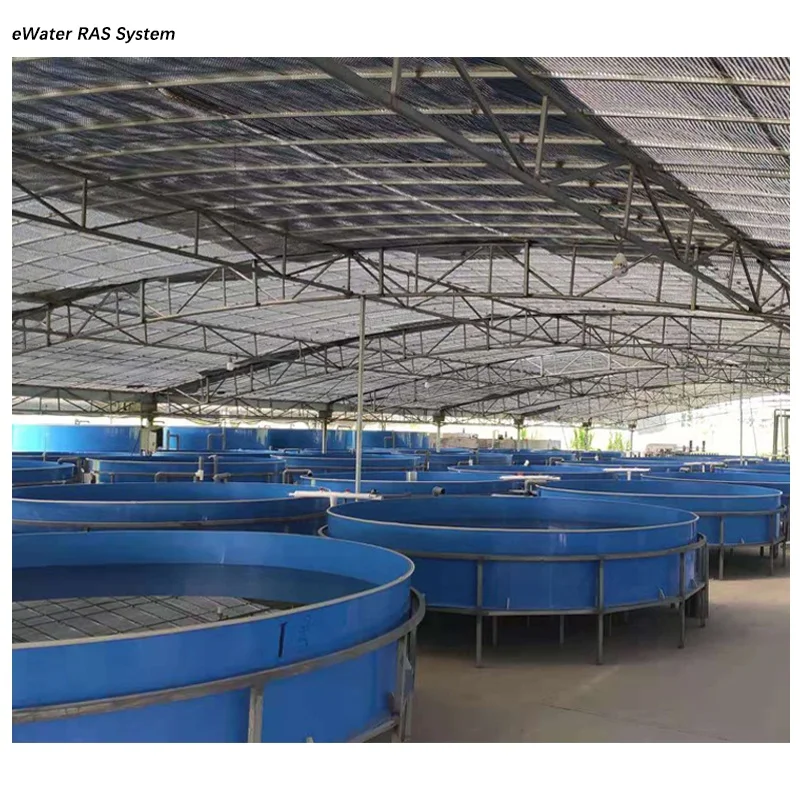
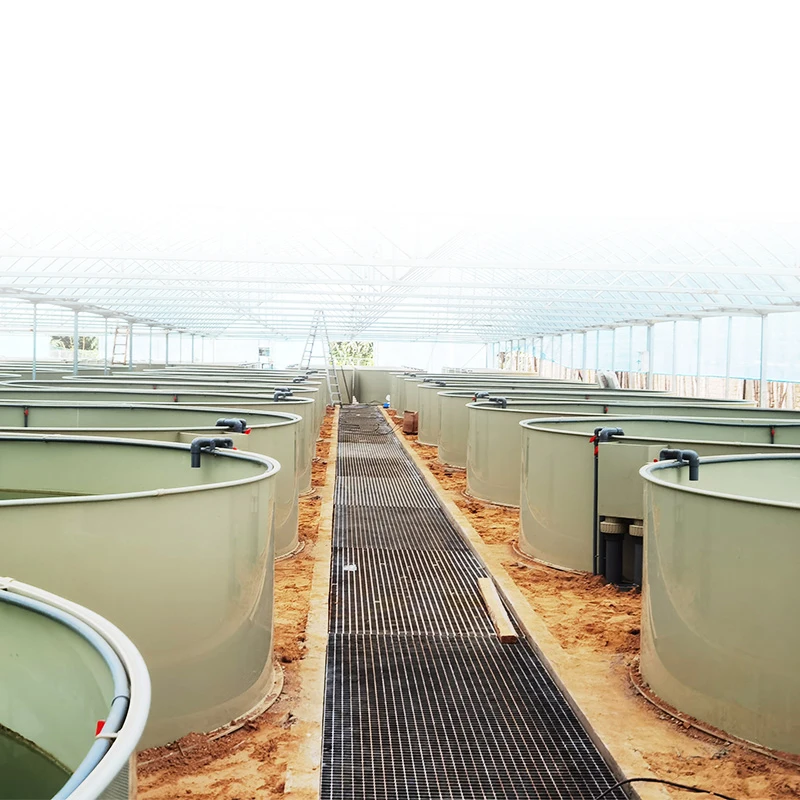
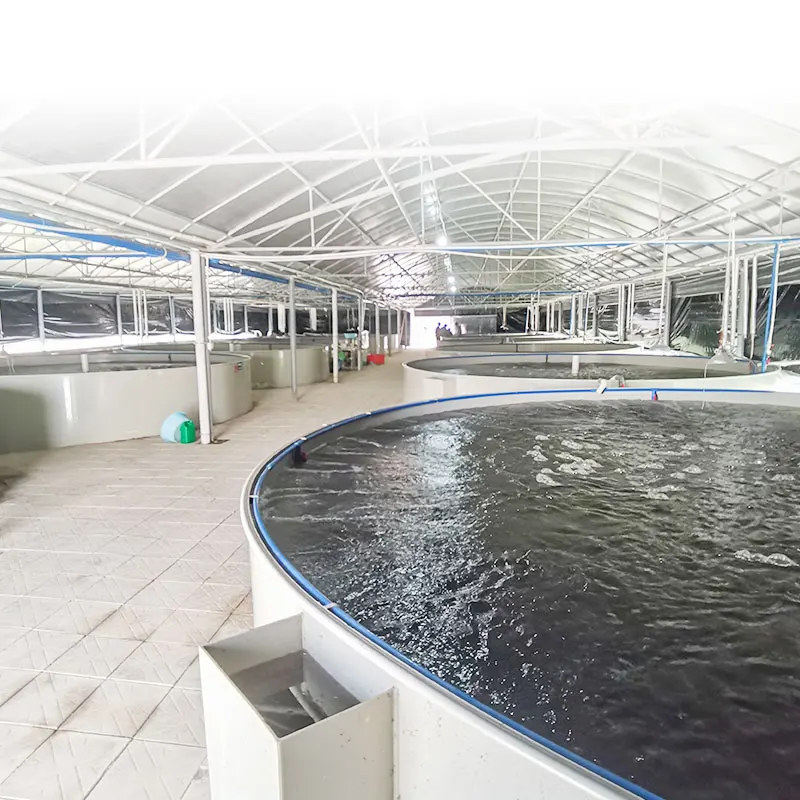
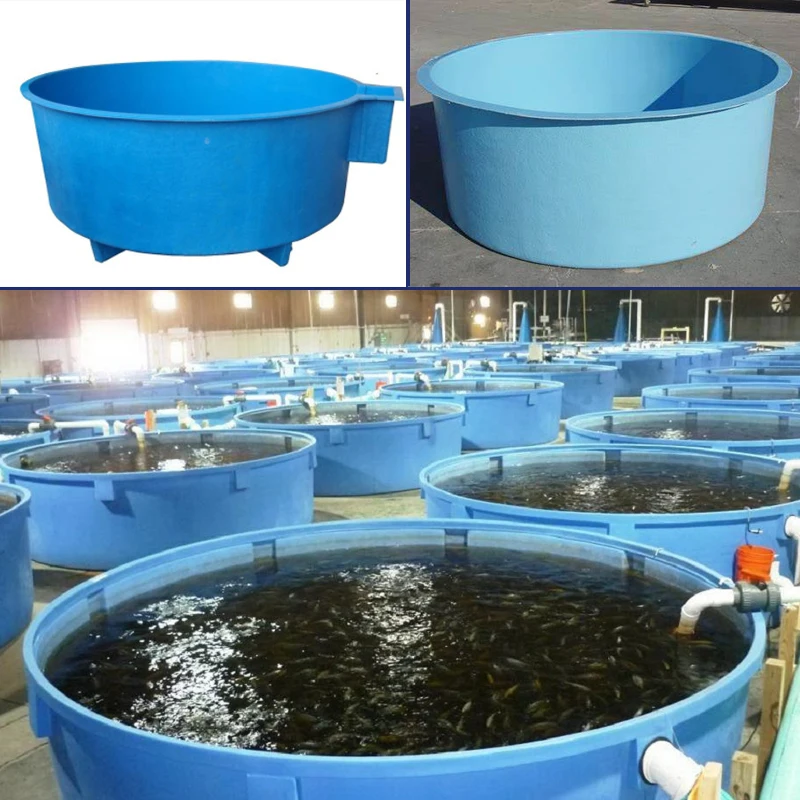
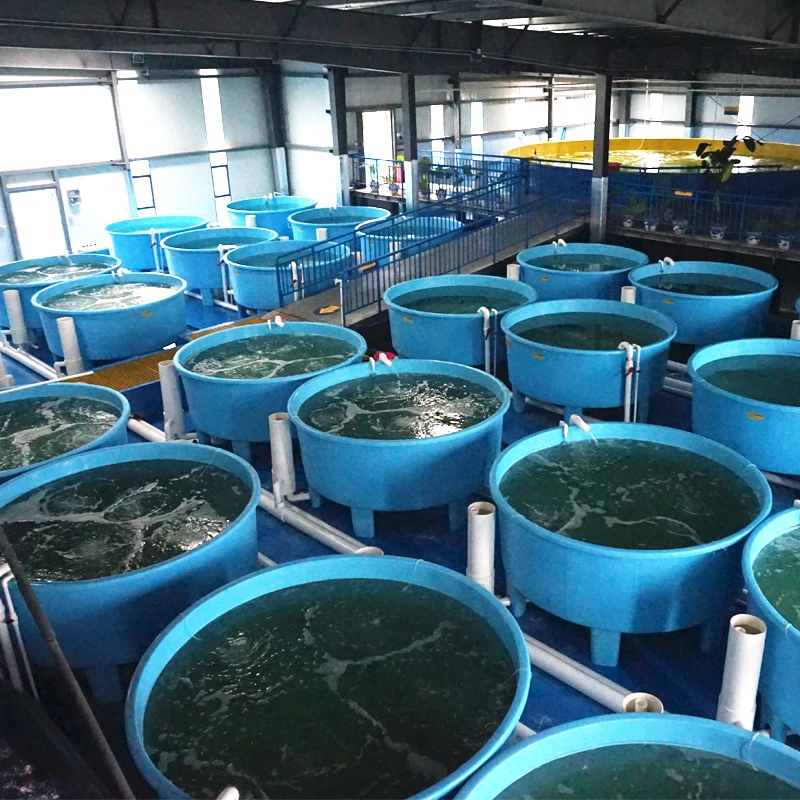
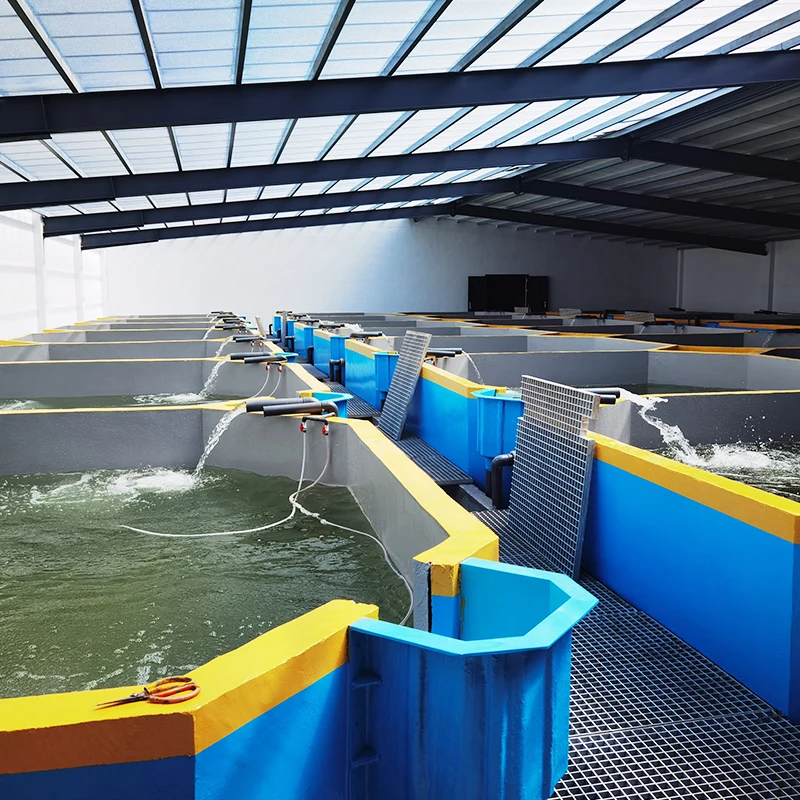
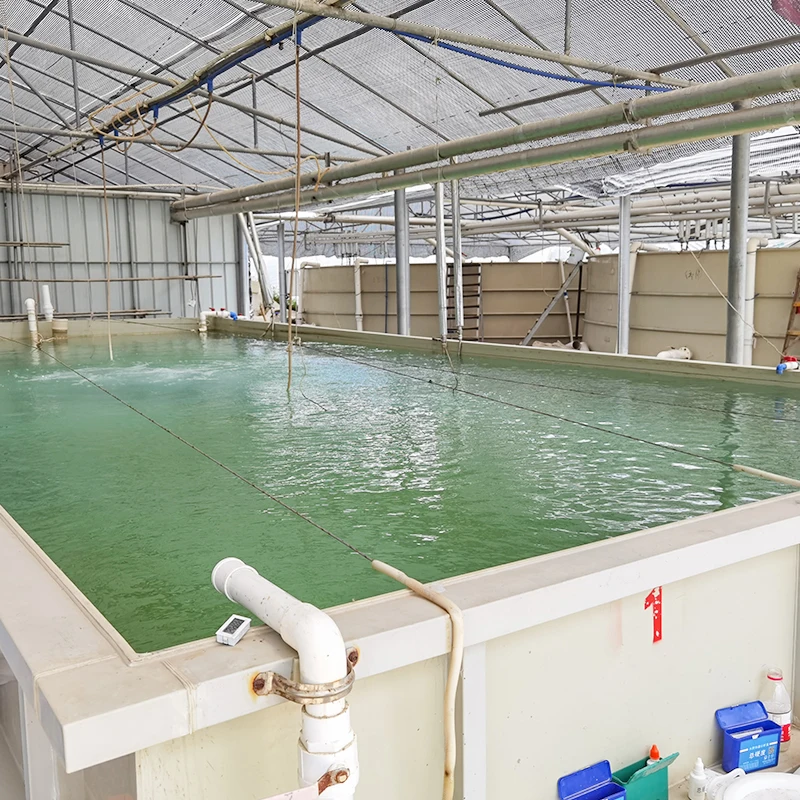
eWater's Recirculating Aquaculture Systems (RAS) tilapia farming has emerged as a sustainable solution in the aquaculture industry, providing a controlled environment for raising fish. As purchasing managers and distributors look to invest in RAS equipment for tilapia farming, key concerns often revolve around performance, sustainability, and cost-efficiency. This article will guide you through essential considerations for selecting RAS equipment, key specifications to look for, reliable sourcing options, advantages of RAS technology, and quality indicators for tilapia raising equipment
Selecting the right eWater-made RAS indoor tilapia farming involves evaluating several critical factors. Firstly, consider the scale of your operation; this will determine the size and capacity of the equipment you need. For smaller operations, modular systems with flexible layouts can be beneficial, while larger farms may require more extensive systems with integrated components like filtration and oxygenation
Next, assess the specific needs of tilapia, such as water quality parameters, temperature control, and stocking density. Equipment like drum filters and protein skimmers should be chosen based on their ability to meet these parameters effectively. Additionally, energy efficiency is crucial; equipment that minimizes power consumption without compromising performance can lead to significant cost savings in the long run
Lastly, consider the supplier's expertise and ability to provide support during installation and maintenance. A reliable supplier can offer valuable insights into equipment compatibility and operational efficiency tailored to your unique farming conditions.
When evaluating eWater-made RAS tilapia farming equipment, certain specifications are essential for ensuring optimal performance. Key specifications include:
Flow Rate: The flow rate of water through the system should match the stocking density and the specific needs of tilapia. A higher flow rate can help maintain water quality by ensuring effective filtration and oxygenation
Filtration Efficiency: Look for equipment that offers high filtration efficiency, such as drum filters that can remove solid waste efficiently. This is vital for maintaining water quality, as tilapia are sensitive to poor conditions
Oxygenation System: An effective oxygenation system is crucial for tilapia health. Evaluate systems that offer adjustable oxygen levels to cater to varying growth stages
Material Quality: The materials used in constructing the RAS equipment should be durable and resistant to corrosion. Stainless steel and high-quality plastics are often preferred for their longevity and ease of maintenance
Control Systems: Advanced control systems can automate monitoring and adjustments, improving operational efficiency. Evaluate whether the equipment includes digital interfaces for easy monitoring of water quality parameters.
Sourcing reliable RAS tilapia farming in tanks involves looking for suppliers with a proven track record in the aquaculture industry. Start by researching manufacturers that specialize in RAS technologies. Look for companies that provide comprehensive services, including custom design, installation, and ongoing support
Industry trade shows and aquaculture expos can also be excellent venues for meeting suppliers and understanding the latest technologies available. Additionally, online platforms and industry forums can offer insights into reputable manufacturers and customer reviews
When contacting suppliers, be prepared to discuss your specific needs regarding capacity, performance specifications, and customization options. A trustworthy supplier will appreciate your detailed requirements and provide solutions tailored to your operation.
RAS technology offers numerous advantages for sustainable tilapia farming. One significant benefit is the ability to control environmental conditions closely, which can lead to healthier fish and higher growth rates. By recirculating water and minimizing waste, RAS systems can significantly reduce water usage compared to traditional farming methods
Moreover, RAS technology allows for year-round production as it provides a stable environment regardless of external weather conditions. This consistency can lead to improved profitability, as producers can meet market demands with reliable supply schedules
Additionally, RAS systems are designed to mitigate the risk of disease outbreaks, which are common in conventional aquaculture settings. By maintaining optimal water quality and reducing fish stress, RAS can enhance fish health and reduce the need for antibiotics.
water recycling system for fish farming constantly seeking innovative solutions RAS that reduce energy used boosts productivity. delivered 400 RAS globally successfully September 20, 2022.
eWater produces most RAS equipment in-house. 2018, came up Gen-3 Tools for fish farming, Gen-2 proteins skimmers, Gen-3 oxygenation. offer 3 year warranty promise offer product-life quality technical support. ISO/CE certified 2016.
eWater one the leading aquaculture supply companies specialize aquaculture recirculating system. Water recirculation system in aquaculture customers create best solution meets particular needs.
Uv sterilizer system bring engineers site assist installation qualification. design RAS projects detailed prints overseas customers make basic building completed create realistic schedule, includes timeframe requirements labor prior installation.
Our professional sales team are waiting for your consultation.

 EN
 AR
 BG
 HR
 CS
 DA
 NL
 FI
 FR
 DE
 EL
 HI
 IT
 JA
 KO
 NO
 PL
 PT
 RO
 RU
 ES
 SV
 TL
 IW
 ID
 SR
 UK
 VI
 HU
 TH
 TR
 AF
 BN
 LO
 LA
 MY
 UZ