
 EN
EN
 AR
AR
 BG
BG
 HR
HR
 CS
CS
 DA
DA
 NL
NL
 FI
FI
 FR
FR
 DE
DE
 EL
EL
 HI
HI
 IT
IT
 JA
JA
 KO
KO
 NO
NO
 PL
PL
 PT
PT
 RO
RO
 RU
RU
 ES
ES
 SV
SV
 TL
TL
 IW
IW
 ID
ID
 SR
SR
 UK
UK
 VI
VI
 HU
HU
 TH
TH
 TR
TR
 AF
AF
 BN
BN
 LO
LO
 LA
LA
 MY
MY
 UZ
UZ

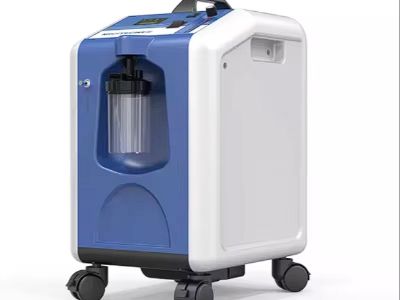
Aquaculture is all about farming fish and other aquatic animals. In recent years, technology has changed how we do this. Fully automated aquaculture systems are now helping farms grow fish safer and better than before. These systems use machines and computers to manage many things like feeding fish, cleaning water, and checking their health. Companies like eWater are making these systems easier and safer to use. With the help of automation, people can focus on big decisions instead of small tasks. This not only boosts safety but also helps in producing better fish for everyone.
Why Fully Automated Aquaculture Systems Are Essential for Wholesale Buyers
Wholesale buyers want the best fish without any problems. Fully automated aquaculture systems provide this by ensuring that fish are healthy and safe to eat. When these systems are in place, the feed is given at the right times and in the right amounts. For example, if fish get too much food, it can pollute the water. But with automation, this is controlled perfectly. It means less waste and cleaner water. Buyers also like that these systems can monitor fish health. Sensors can detect if a fish is sick and alert the workers. This helps to stop diseases from spreading. If a problem is found, the system can help treat it quickly, saving many fish. Furthermore, safety becomes a vital point when buyers think about purchasing fish. Automated systems can record data about the fish, which can be shared with buyers. They can see how the fish were raised and what they ate. This transparency builds trust between buyers and sellers. When people know their fish come from safe systems, they feel better about buying them. Plus, these systems can work all the time. Unlike people, machines don’t need breaks. This means fish can be monitored 24/7, which keeps them healthy and safe. With the growing demand for fish, it is essential to have a reliable system to meet the needs of wholesale buyers. eWater's automated solutions help make sure every fish is raised with care, giving buyers confidence in their purchases.
What to Look for in a Fully Automated Aquaculture System for Optimal Safety
When looking for a fully automated aquaculture system, safety should be the top priority. First, check if the system has good monitoring tools. These tools should track water quality, like how clean it is and how much oxygen is in it. If the water is not good, fish can get sick. A system that can send alerts when something is wrong helps keep fish safe. Another important feature is the feeding mechanism. It should be smart enough to give the right amount of food based on how many fish are in the tank. This avoids overfeeding and keeps the water clean. The system should also have backup power. If the electricity goes out, the fish need to stay safe. A good system has batteries that kick in when needed. The materials used should be durable and non-toxic. Fish are sensitive, and anything harmful can hurt them. Look for systems made from safe materials, so fish are healthy. Training is key too. Workers should know how to use the system properly. If they understand how everything works, they can make quick decisions during emergencies. Lastly, support from the company matters. If any issue arises, having a team ready to help is very beneficial. eWater provides great support to ensure everything runs smoothly. By looking for these features, buyers can find a fully automated water recycling system for fish farming that keeps fish safe and healthy.
How Innovative Aquaculture Technology Reduces Common Operational Risks
In the world of fish farming, safety is very important. Many farmers face risks like equipment breaking down or bad water quality. This is where innovative Water recirculation system in aquaculture technology comes in. Companies like eWater have created systems that help keep fish farms safe and efficient. For example, these systems can automatically check the water's temperature and oxygen levels. When something is wrong, the system sends an alert to the farmer. This means that farmers can fix problems quickly, which keeps the fish healthy and safe.
Another important feature of eWater's systems is that they can control feeding automatically. Overfeeding can harm fish and pollute the water. With automatic feeding, fish get the right amount of food at the right time. This helps maintain good water quality. Additionally, innovative technology can monitor fish health. If a fish is sick, the system can alert the farmer, allowing them to take action before the sickness spreads. All these features help reduce risks on the farm and ensure that fish farming is safer for everyone involved.
How Automation is Revolutionizing Safety Standards in Aquaculture
Automation is changing the way fish farms operate. With eWater's fully automated systems, safety standards are much higher than ever before. For instance, these systems can track workers' safety as they move around the farm. If a worker enters a dangerous area, the system can send a warning. This helps prevent accidents and ensures that everyone stays safe while working.
Moreover, automated systems can help reduce human error. Sometimes, people make mistakes, such as forgetting to check the water quality or miscalculating feed amounts. With automation, these tasks are done by machines that follow precise instructions. This means that the risk of mistakes goes down. Also, automated systems can work 24/7. They do not need breaks, so they can keep monitoring the farm around the clock. This constant monitoring means that problems can be spotted quickly, which is crucial for keeping fish safe and healthy.
Furthermore, eWater’s technology also helps improve the overall environment of the fish farm. By using sensors to measure water quality, farmers can ensure that the conditions are just right for the fish. This leads to stronger fish and better production. Higher safety standards not only protect the fish but also keep workers safe, making Water based system aquaculture a better place for everyone.
How to Overcome Common Usage Issues in Aquaculture Automation
Even though automation is very helpful, there can be some problems when using these systems. One common issue is that some farmers may not understand how to use the technology properly. To overcome this, eWater provides detailed training and support. They offer workshops and online tutorials to help farmers learn how to use the automated systems. This way, farmers feel more confident and can make the best use of the technology.
Another challenge is maintaining the equipment. Sometimes machines can break down, and this can cause delays on the farm. To prevent this, eWater encourages regular checks and maintenance of their systems. They include reminders in the software to help farmers remember when to perform maintenance tasks. This keeps everything running smoothly and helps avoid unexpected problems.
Lastly, some farmers might worry about the costs of automation. While the initial investment can be high, eWater emphasizes the long-term benefits. Automated systems can save money by reducing waste and improving fish health. Over time, these savings can outweigh the initial costs. By discussing these benefits, eWater helps farmers see the value in automation. With the right support and understanding, farmers can successfully use automation to make their fish farms safer and more efficient.
Table of Contents
- Why Fully Automated Aquaculture Systems Are Essential for Wholesale Buyers
- What to Look for in a Fully Automated Aquaculture System for Optimal Safety
- How Innovative Aquaculture Technology Reduces Common Operational Risks
- How Automation is Revolutionizing Safety Standards in Aquaculture
- How to Overcome Common Usage Issues in Aquaculture Automation