
 EN
EN
 AR
AR
 BG
BG
 HR
HR
 CS
CS
 DA
DA
 NL
NL
 FI
FI
 FR
FR
 DE
DE
 EL
EL
 HI
HI
 IT
IT
 JA
JA
 KO
KO
 NO
NO
 PL
PL
 PT
PT
 RO
RO
 RU
RU
 ES
ES
 SV
SV
 TL
TL
 IW
IW
 ID
ID
 SR
SR
 UK
UK
 VI
VI
 HU
HU
 TH
TH
 TR
TR
 AF
AF
 BN
BN
 LO
LO
 LA
LA
 MY
MY
 UZ
UZ

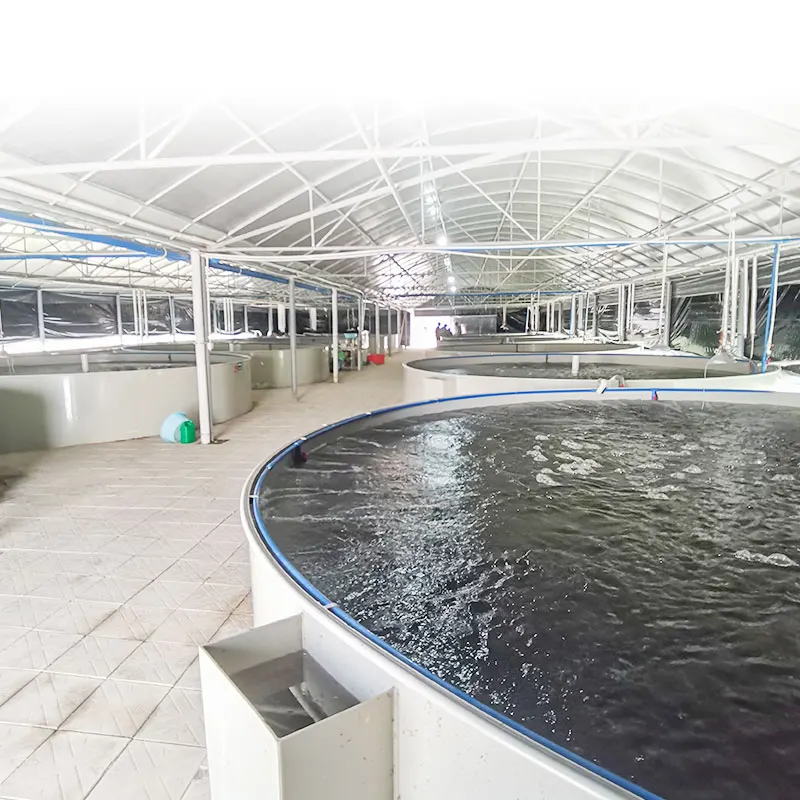
Shrimp farming is a big deal for people who love seafood. At eWater, we know how important it is to help shrimp grow fast and healthy. One way to make sure shrimp thrive is by creating aerated environments. This means adding oxygen to the water where shrimp live. When shrimp have enough oxygen, they can grow better and be more healthy. We will talk about how aerated shrimp culture helps baby shrimp grow quickly and why it's important for producing seafood in a way that is good for the planet.
How Aerated Shrimp Culture Environments Enhance Post-Larval Growth Rates
When baby shrimp, called post-larvae, are raised in water with lots of oxygen, they grow much faster. Oxygen helps shrimp breathe, and breathing is super important for their growth. In a well-aerated environment, shrimp can swim around easily and find food. This means they can eat more and get bigger quicker. For example, in shrimp farms that use aeration, post-larvae can grow up to 20% faster than in farms without aeration. That’s a big difference! With more oxygen, shrimp are also less stressed. Less stress means they are less likely to get sick, which is great for farmers. Healthy shrimp can be sold sooner and at a better size.
What Makes Aerated Shrimp Culture Essential for Sustainable Seafood Production?
Growing shrimp in a sustainable way is really important. We want to make sure that we have enough shrimp for the future without harming the environment. Aerated shrimp culture is a great way to do this. By using oxygen in the water, we can reduce the need for chemicals and other harmful substances. This helps keep our oceans clean and safe for all marine life. Also, when shrimp are raised in an aerated environment, they use food more efficiently. This means less food is wasted. When less food is wasted, it’s better for the environment. Farmers can produce more shrimp without needing more resources.
Wholesale Shrimp Producers Need to Know About Aerated Culture Practices
Aerated shrimp culture is a method that helps shrimp grow faster and healthier. In this method, air is pumped into the water where the shrimp live. This is important because shrimp need oxygen to breathe, just like we do. When there is enough oxygen in the water, shrimp can swim around better, eat more, and grow quickly. For wholesale ras system for shrimp farming using aerated culture practices can make a big difference. It can help them produce more shrimp in a shorter time. This means they can sell more shrimp and earn more money. When starting with aerated culture, it's important to keep the water clean and check the levels of oxygen regularly. If the oxygen level is too low, the shrimp can get sick or die.
Source the Best Aerated Shrimp Culture Products for Your Operation
Finding the right products for aerated shrimp culture is essential for success. There are many places to look for these products, and eWater is a great option. eWater offers high-quality aeration systems that are perfect for shrimp farming. When looking for aerated indoor shrimp farming is important to choose items that are durable and efficient. Producers should look for air pumps that can deliver a steady flow of air into the water. They should also choose air stones or diffusers that break the air into tiny bubbles. These tiny bubbles help spread the oxygen evenly through the water. In addition to air pumps and diffusers, producers may need to buy water quality testing kits.
What Common Issues Arise in Shrimp Culture Environments
Even with the best practices, shrimp farming equipment ras can face problems in their culture environments. One common issue is low oxygen levels in the water. If there isn’t enough oxygen, shrimp can become stressed and may not grow well. To solve this problem, farmers should regularly check the oxygen levels and make sure the aeration system is working properly. If they find that the oxygen levels are low, they can increase the aeration by adjusting the air pump or adding more air stones. Another issue that can arise is the buildup of waste in the water. When shrimp eat, they produce waste that can harm their health if it accumulates. To prevent this, farmers should clean the tanks regularly and consider using filters to remove waste.
Table of Contents
- How Aerated Shrimp Culture Environments Enhance Post-Larval Growth Rates
- What Makes Aerated Shrimp Culture Essential for Sustainable Seafood Production?
- Wholesale Shrimp Producers Need to Know About Aerated Culture Practices
- Source the Best Aerated Shrimp Culture Products for Your Operation
- What Common Issues Arise in Shrimp Culture Environments