
 EN
EN
 AR
AR
 BG
BG
 HR
HR
 CS
CS
 DA
DA
 NL
NL
 FI
FI
 FR
FR
 DE
DE
 EL
EL
 HI
HI
 IT
IT
 JA
JA
 KO
KO
 NO
NO
 PL
PL
 PT
PT
 RO
RO
 RU
RU
 ES
ES
 SV
SV
 TL
TL
 IW
IW
 ID
ID
 SR
SR
 UK
UK
 VI
VI
 HU
HU
 TH
TH
 TR
TR
 AF
AF
 BN
BN
 LO
LO
 LA
LA
 MY
MY
 UZ
UZ

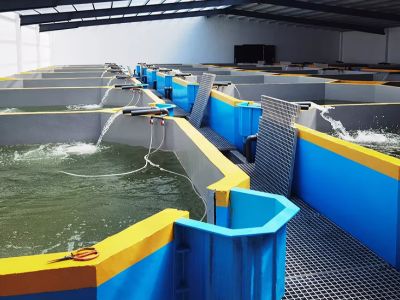
Building a scalable recirculating aquaculture system is like creating a mini ocean where fish can thrive. This system allows us to raise a lot of fish in a small space while keeping the water clean and healthy. eWater has designed setups that are perfect for this job. These systems recycle water, so it doesn’t have to be changed all the time. This means we can keep our fish happy and help them grow faster. It’s a smart way to produce more fish for people to eat, all while being friendly to our planet. With eWater’s technology, we make sure everything works smoothly, giving fish the best life possible
Where to Find the Best Scalable Recirculating Aquaculture Systems for Your Needs
If you are looking for the best scalable recirculating aquaculture systems, eWater is the place to start. Our company provides a range of systems designed for both small and large fish farms. You can explore our website to learn about different setups. We offer systems that can fit into any space, whether you have a small backyard operation or a big commercial farm. When considering these systems, think about your needs. Do you want to raise fish for fun, or are you looking to sell them? eWater can help you find the right system based on your goals. It’s also important to think about the type of fish you want to raise. Some fish need more space than others. eWater designs systems that can handle different fish species. You can find setups that are perfect for tilapia, trout, or even shrimp. Each type of fish has its own requirements, and we can help you understand what you need. Plus, our systems are easy to manage. With clear instructions and support, you won’t feel lost. Another great thing about eWater is that we focus on sustainability. Our systems are made to use less water and energy, which is good for the environment and your wallet. By recycling water, you can save money while still providing a great home for your fish. You can also reach out to our team for further assistance. We are happy to answer any questions you may have. We believe in helping our customers succeed in their aquaculture journey
What Are the Key Benefits of High Density Recirculating Aquaculture
High-density Recirculating aquaculture has many benefits that can change how we think about fish farming. First, it lets us raise more fish in a smaller area. This is great if you have limited space but still want to produce a lot of fish. With eWater systems, you can make the most of your space. Another big benefit is the health of the fish. In a recirculating system, the water is constantly cleaned and filtered. This means the fish can live in clean water, which helps them grow faster and stay healthy. Healthy fish are also less likely to get sick. When fish are raised in a good environment, they taste better too. Many people notice the difference in flavor when they eat fish from these systems. Additionally, high-density systems are good for the environment. By using less water and recycling it, we reduce waste. This is important because water is a precious resource. Plus, raising fish this way can help meet the growing demand for seafood. As more people want fish, high-density aquaculture can provide a solution. Lastly, eWater’s systems are designed to be user-friendly. You don’t need to be an expert to run them. Our technology helps you monitor everything easily, so you can focus on raising your fish. Whether you are a beginner or have some experience, our systems can help you succeed. With all these benefits, high-density recirculating aquaculture is a smart choice for anyone interested in fish farming
How to Optimize Your Aquaculture Setup for Maximum Efficiency
If you want to grow fish or other water animals in a closed system, you need to make your aquaculture setup as efficient as possible. At eWater, we believe that the best way to do this is by focusing on a few key areas. First, think about the space you have. You want to make sure that you are using all the space wisely. This means arranging tanks and equipment so that you can easily reach everything. Keeping your tanks close together can help save space and make it easier to monitor your fish. Next, consider the quality of water in your system. Clean water is very important for the health of your fish. You should have a good filtering system that removes waste and keeps the water clean. At eWater, we use high-quality filters that can handle large volumes of water. This helps to keep the environment stable for the fish. You also need to check the temperature, oxygen levels, and pH of the water regularly. If any of these factors are not right, your fish can get sick or even die. Another way to optimize your setup is by using technology. Many tools and devices can help you monitor your system. For example, you can use sensors to check the water quality and get alerts if something is wrong. This can save you time and help you take action quickly. Automation can also help you feed your fish on a schedule, so they get the right amount of food without you having to do it manually. Finally, think about the type of fish or other animals you want to grow. Some species grow faster and are more popular with buyers. Choosing the right species can help you make more money and keep your operation running smoothly. By focusing on these areas, you can make your aquaculture setup more efficient and successful
What Wholesale Buyers Should Know About Recirculating Aquaculture Technology
When it comes to buying fish or seafood, wholesale buyers should understand how RAS recirculating aquaculture system technology works. At eWater, we want to make sure that you know what to look for when you are choosing where to buy your products. First, recirculating aquaculture systems are designed to reuse water. This means that fish are raised in a closed environment where the water is filtered and cleaned before it goes back into the tanks. This is not only better for the fish, but it's also better for the environment since it uses less water. When buying from a recirculating aquaculture system, you should ask about how the fish are raised. Healthy fish are important for quality products. Make sure the supplier has good practices in place to keep the fish healthy and happy. Look for information about their feeding methods and how they monitor water quality. A responsible supplier will be transparent about their practices and will be willing to share details with you. Another important thing to consider is the sustainability of the operation. Many buyers want to make sure that the fish they purchase come from sources that do not harm the environment. Recirculating aquaculture is often more sustainable than traditional fishing methods because it can reduce overfishing and pollution. Ask your supplier about their sustainability practices and certifications. Lastly, you should also think about the variety of products available. A good supplier will offer different types of fish and seafood to meet your needs. Whether you are looking for fresh fish for a restaurant or fish for a grocery store, having options is important. By understanding these key points, wholesale buyers can make informed choices and support sustainable aquaculture practices
How to Address Common Issues in Scalable Recirculating Aquaculture
Running a scalable recirculating aquaculture system can come with some challenges. But don’t worry! At eWater, we have some tips to help you deal with common issues. One of the biggest problems you might face is water quality. If the water becomes dirty or if the levels of ammonia or nitrites go up too high, it can harm the fish. To prevent this, keep a close eye on your water quality. Regularly test the water and make sure you have a good filtration system in place. If you notice any changes, take action right away. Sometimes, adding more plants or using good bacteria can help keep the water clean. Another issue is disease. Fish can get sick just like people. If you see fish acting strangely or not eating, it might be a sign of illness. To prevent diseases, make sure you are keeping the tanks clean and not overfeeding the fish. Quarantining new fish before adding them to the main tank can also help stop the spread of diseases. If you do have sick fish, it’s important to identify the problem quickly. Consult with an expert or veterinarian if you’re unsure. Sometimes, you may also struggle with space as your fish grow. As your operation expands, you might find that you need more tanks or equipment. It’s important to plan and think about how you can scale your system. You might want to design your setup so that you can easily add more tanks or systems in the future.
Table of Contents
- Where to Find the Best Scalable Recirculating Aquaculture Systems for Your Needs
- What Are the Key Benefits of High Density Recirculating Aquaculture
- How to Optimize Your Aquaculture Setup for Maximum Efficiency
- What Wholesale Buyers Should Know About Recirculating Aquaculture Technology
- How to Address Common Issues in Scalable Recirculating Aquaculture