
 EN
EN
 AR
AR
 BG
BG
 HR
HR
 CS
CS
 DA
DA
 NL
NL
 FI
FI
 FR
FR
 DE
DE
 EL
EL
 HI
HI
 IT
IT
 JA
JA
 KO
KO
 NO
NO
 PL
PL
 PT
PT
 RO
RO
 RU
RU
 ES
ES
 SV
SV
 TL
TL
 IW
IW
 ID
ID
 SR
SR
 UK
UK
 VI
VI
 HU
HU
 TH
TH
 TR
TR
 AF
AF
 BN
BN
 LO
LO
 LA
LA
 MY
MY
 UZ
UZ

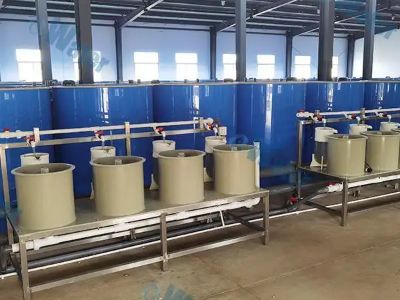
Closed-loop aquaculture systems are a smart way to farm fish and other seafood. In these systems, water is reused and recycled, which helps keep fish healthy and reduces harm to wild fish populations. This method is gaining popularity because it is better for the environment and helps ensure that we have enough seafood for everyone. At eWater, we focus on creating systems that help support our oceans while also providing fresh seafood to people. By using closed-loop Ras aquaculture, we can make sure that fish are raised in a clean environment, and wild fish are not affected by pollution or diseases.
Why Closed-Loop Aquaculture Systems Are Essential for Sustainable Seafood Sourcing?
Closed-loop aquaculture systems are really important for getting seafood in a way that won’t hurt the planet. In traditional farming, fish are often raised in large ponds or open waters, which can cause problems. When fish are kept in these open systems, they can get sick or polluted. This can lead to wild fish getting diseases or chemicals from farmed fish. But closed-loop systems keep everything contained. They filter and clean the water, so fish can grow in a safe environment. This means less chance of spreading sickness to wild fish.
Another great thing about closed-loop aquaculture is that it uses less water compared to traditional methods. Water is a precious resource, and in many places, it is getting harder to find. With closed-loop systems, the water is constantly recycled, which means we don’t waste it. This helps save water and keeps our oceans healthier. Also, because the Ras aquaculture system are controlled, farmers can make sure fish get the right food and care they need. This leads to healthier fish and better quality seafood for everyone. At eWater, we believe that by using these sustainable methods, we can help protect our oceans and ensure that seafood remains available for future generations.
How Closed-Loop Aquaculture Systems Minimize Risks of Wild Stock Contamination?
Closed-loop aquaculture systems play a big role in keeping wild fish stocks safe from contamination. When fish are farmed in open waters, there’s a risk that they can escape and mix with wild populations. This can lead to problems, like wild fish getting diseases from farmed fish or even crossbreeding that can change the wild fish’s DNA. In closed-loop Ras system aquaculture, fish are kept in controlled environments, which minimizes these risks. This means that if a fish does escape, it is less likely to affect the wild populations outside.
Moreover, the water in these systems is treated and cleaned regularly. This helps keep harmful bacteria or chemicals away from the fish. For example, if there’s a disease outbreak in a traditional farm, it can spread quickly to nearby wild fish. With closed-loop systems, any disease can be managed more effectively, protecting both farmed and wild fish. eWater’s technology ensures that the water stays clean and healthy, which is crucial for fish growth.
Also, farmers can monitor the health of the fish closely. They can spot any signs of illness early and treat it right away without affecting the rest of the fish in the system. This helps keep the ecosystem balanced and supports healthy wild fish populations. By using closed-loop aquaculture, we can enjoy delicious seafood while knowing we are protecting the environment and the fish that live in our oceans.
What Makes Closed-Loop Aquaculture Systems a Smart Choice for Wholesale Seafood Suppliers?
Closed-loop aquaculture systems are a smart choice for wholesale seafood suppliers because they are clean, efficient, and safe. In these systems, fish and other sea creatures are raised in a controlled environment. This means that the water and everything in it can be carefully managed. For example, the water is filtered and cleaned, so it stays healthy for the fish. This helps prevent diseases that can happen in open water, where fish are exposed to pollutants and other harmful things. Because the fish are raised in a safe place, suppliers can be confident that they are selling healthy seafood. This is important for customers who want to eat fresh and safe food.
Another reason why closed-loop systems are great for suppliers is that they use space very well. In traditional fish farming, a lot of land and water is needed. However, closed-loop systems can be set up in smaller areas, like warehouses or even on rooftops. This means that suppliers can raise fish right in the city, close to where people buy seafood. This saves time and money because the fish do not have to travel far. Plus, it helps reduce the carbon footprint, which is good for the planet. Suppliers like eWater can supply seafood that is both fresh and environmentally friendly, which is something many customers care about today.
Closed-loop systems also allow suppliers to grow different kinds of seafood in one place. For example, they can raise fish, shrimp, and plants together. This is called aquaponics, and it is a smart way to use resources. The fish produce waste, which is full of nutrients. Instead of polluting the water, this waste can be used to help plants grow. The plants then clean the water for the fish. This teamwork between fish and plants means more food can be produced without using extra land or water. Wholesale seafood suppliers can offer a variety of healthy food options, making closed-loop aquaculture an excellent choice for their business.
How to Transition to Closed-Loop Aquaculture for Reduced Environmental Impact?
Transitioning to closed-loop aquaculture is a great way to help the environment. Many seafood suppliers want to be more eco-friendly, and closed-loop systems can achieve that goal. First, suppliers need to learn about the technology and methods used in closed-loop systems. This might mean attending workshops, reading articles, or even visiting other facilities that have made the switch. It’s important to understand how to filter water, manage fish health, and grow plants alongside fish. Learning these skills can help suppliers make the change smoothly.
Once suppliers have the knowledge, they can start planning how to set up their closed-loop systems. This might involve creating a design for the facility and figuring out the best location. Some suppliers might even want to work with eWater to get advice and support during this process. It’s essential to consider how much space is available and what kinds of seafood they want to raise. Suppliers may need to invest in new equipment, like tanks and filtration systems, but the long-term benefits will be worth it.
As suppliers set up their new systems, they should focus on reducing waste and using resources wisely. For example, they can recycle water, reuse materials, and minimize energy use. It's essential to track how much water and energy the system consumes to find ways to improve efficiency. This not only helps the environment but also saves money in the long run. Suppliers should also share their journey with customers, showing how much they care about being eco-friendly. This can help build trust and attract more buyers who want to support sustainable practices.
Finally, it's important to remember that transitioning to closed-loop aquaculture is a process. It may take time to learn and adjust, but every small step counts. Suppliers who commit to this change will not only help the planet but also ensure they provide healthy seafood for their customers. By taking action now, they can make a positive impact for future generations.
How Closed-Loop Aquaculture Systems Support Eco-Friendly and Sustainable Seafood Practices?
Closed-loop aquaculture systems are very important for supporting eco-friendly and sustainable seafood practices. These systems are designed to work in harmony with nature, which means they do not harm the environment. In traditional fishing, wild fish populations can be overfished, leading to a decline in their numbers. This can upset the balance of the ocean ecosystem. However, closed-loop aquaculture allows us to grow fish without taking them from the wild. By farming fish in a controlled setting, we can help protect wild fish populations and keep our oceans healthy.
Another way closed-loop systems support sustainability is by minimizing waste. In a closed-loop system, every part of the process is used efficiently. When fish produce waste, instead of letting it pollute the water, the waste is used to grow plants. This is a natural cycle that benefits both fish and plants. The plants clean the water, making it safe for the fish, and in return, the fish provide nutrients for the plants. This creates a balanced environment where nothing goes to waste. Companies like eWater are leading the way in showing how this method can produce healthy seafood while protecting our planet.
Moreover, closed-loop aquaculture systems use significantly less water than traditional farming methods. Since the water is recycled, it can be reused many times. This means that less fresh water is needed, which is crucial in areas where water is scarce. Additionally, these systems often use renewable energy sources, like solar or wind power, to operate. This helps reduce the carbon footprint, making the seafood not only healthy but also environmentally friendly.
Finally, closed-loop aquaculture systems encourage responsible consumption. As more suppliers adopt these methods, consumers become more aware of the importance of sustainable seafood. People want to know where their food comes from and how it is produced. By choosing seafood from closed-loop systems, customers can feel good about their choices. They are supporting practices that protect the environment and help ensure that future generations can enjoy healthy seafood.
Table of Contents
- Why Closed-Loop Aquaculture Systems Are Essential for Sustainable Seafood Sourcing?
- How Closed-Loop Aquaculture Systems Minimize Risks of Wild Stock Contamination?
- What Makes Closed-Loop Aquaculture Systems a Smart Choice for Wholesale Seafood Suppliers?
- How to Transition to Closed-Loop Aquaculture for Reduced Environmental Impact?
- How Closed-Loop Aquaculture Systems Support Eco-Friendly and Sustainable Seafood Practices?