
 EN
EN
 AR
AR
 BG
BG
 HR
HR
 CS
CS
 DA
DA
 NL
NL
 FI
FI
 FR
FR
 DE
DE
 EL
EL
 HI
HI
 IT
IT
 JA
JA
 KO
KO
 NO
NO
 PL
PL
 PT
PT
 RO
RO
 RU
RU
 ES
ES
 SV
SV
 TL
TL
 IW
IW
 ID
ID
 SR
SR
 UK
UK
 VI
VI
 HU
HU
 TH
TH
 TR
TR
 AF
AF
 BN
BN
 LO
LO
 LA
LA
 MY
MY
 UZ
UZ

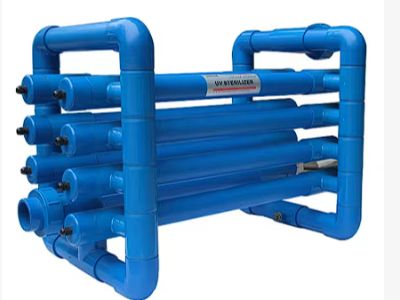
Monitoring a Continuous Recirculating Aquaculture System is very important for businesses that raise fish or other aquatic animals. This system helps keep the water clean and safe for the fish to live in. Regular monitoring ensures that everything is working well. eWater provides tools and technology to help people track what is happening in their aquaculture systems. By using these tools, businesses can avoid problems that could lead to losing fish, which can cost a lot of money. When things go wrong, it can be hard to fix them quickly, but good monitoring helps catch issues early.
What Continuous Recirculating Aquaculture System Monitoring Means for Your Business
Continuous monitoring of aquaculture systems means keeping a close eye on the water quality and the health of the fish. This includes checking the temperature, oxygen levels, and other important factors. If something is wrong, like if the water gets too warm or if there's not enough oxygen, the fish can get sick or even die. For a business, this is a big problem because losing fish means losing money. eWater offers solutions that help farmers see these issues right away. Imagine if a farmer has sensors that check the water every minute. If the temperature rises too much, the system can send an alert. This way, farmers can fix the problem before it hurts their fish. Water recirculation system in aquaculture also helps farmers make better decisions. They can see patterns over time, like when their fish grow the best or when they eat the most. By understanding this, they can plan feeding and care for their fish better. This leads to healthier fish and bigger profits. In addition, having a good monitoring system can make it easier to follow rules about safety and health. If farmers can show that they have been checking on their fish and water regularly, they can prove they are running a responsible business. This can help them gain the trust of customers and even sell their fish for a better price. Overall, monitoring is not just about keeping fish alive; it’s about making smart choices that can lead to success.
How Effective Monitoring Reduces Loss in Recirculating Aquaculture Systems
Effective monitoring can save a lot of fish from dying. When farmers use tools from eWater to watch their systems, they can catch problems early. For instance, if the water quality drops, it can lead to fish diseases. But with regular checks, farmers can change the water or add treatments to fix the problem before it gets worse. This means fewer sick fish and less money spent on replacements. Also, water recycling system for fish farming helps farmers know when to feed their fish. If they feed too much, leftover food can pollute the water, which is not good. If they don’t feed enough, the fish won’t grow. By keeping track of feeding times and amounts, farmers can make sure their fish get the right amount of food, which helps them grow healthy and strong. Moreover, monitoring also helps farmers spot changes in fish behavior. If fish are acting strangely, it could be a sign of stress or illness. Quick action can be taken to solve any issues, which prevents larger losses down the road. Plus, when farmers can predict when their fish will be ready for market, it helps them plan better. They can avoid overcrowding the system, ensuring that every fish has enough space to grow. This planning can lead to better harvests and happier customers. In summary, effective monitoring helps farmers save money, improve fish health, and run a more successful business. By investing in tools like those from eWater, aquaculture businesses can protect their fish and their profits.
Where to Find the Best Continuous Monitoring Solutions for Aquaculture
If you're looking for the best ways to keep an eye on fish farms, eWater has got you covered. Continuous monitoring solutions are special tools that help fish farmers track important things like water quality and fish health. These tools can be found in many places, like online stores, fish farming expos, and aquaculture workshops. When you visit the eWater website, you will see many options for monitoring tools designed for aquaculture. These tools often include sensors that check the temperature, oxygen levels, and pH of the water. By using these sensors, fish farmers can quickly learn if something is wrong with the water.
It’s important to choose monitoring solutions that are easy to use. eWater offers user-friendly devices that even beginners can operate without trouble. Many of these tools are also connected to smartphones or computers, making it easy for farmers to check the data anytime, anywhere. This is really helpful because farmers can receive alerts if something isn’t right, like if the oxygen level drops too low. In addition to finding tools online, farmers can also connect with eWater representatives at aquaculture events. At these events, they can learn more about how to use Water based system aquaculture effectively.
One of the best things about eWater is that they offer support for their products. If a farmer has any questions or needs help, they can reach out to the eWater team. This support is important because it helps farmers feel confident in using monitoring solutions. Overall, finding the right continuous monitoring solutions from eWater can make a big difference in keeping fish healthy and preventing losses.
What Are the Key Benefits of Continuous Monitoring in Aquaculture?
Continuous monitoring in aquaculture has many great benefits that help fish farmers succeed. First and foremost, it helps keep fish healthy. When farmers monitor water quality regularly, they can quickly spot and fix problems. For example, if the water gets too warm or the oxygen level drops, farmers can take action right away. This helps prevent fish from getting sick or dying, which is very important for a successful fish farm.
Another key benefit is that continuous monitoring saves time and money. Farmers do not have to spend hours checking the water by hand. With automatic monitoring tools from eWater, they get real-time data without much effort. This means they can spend more time focusing on other important tasks, like feeding their fish or maintaining their equipment.
Moreover, continuous monitoring can lead to better fish growth and production. When fish live in a healthy environment, they grow faster and stronger. This means farmers can harvest more fish and earn more money. Also, healthy fish can be sold for a better price, helping farmers make a good profit.
Finally, continuous monitoring helps farmers follow rules and regulations. Many countries have laws about how to care for fish and the environment. By using monitoring tools, farmers can prove they are doing everything right. This can protect their business from fines or other problems. Overall, continuous monitoring from eWater is a smart choice for fish farmers who want to keep their fish healthy, save time and money, and follow the rules.
How Continuous Monitoring Enhances Product Quality in Aquaculture
Continuous monitoring plays a big role in improving the quality of fish and seafood products. When fish are raised in the right conditions, they taste better and are healthier for people to eat. eWater’s monitoring tools help ensure that fish are living in a clean and balanced environment. For example, when oxygen levels are just right, fish are less stressed and grow more efficiently. This leads to tastier fish that customers love.
Another way continuous monitoring helps is by preventing diseases. When farmers regularly check water quality, they can catch issues early. This means they can treat sick fish before the whole group gets ill. Healthy fish mean better quality products for sale. Customers want to buy fish that are fresh and free from disease, and continuous monitoring helps make that happen.
Moreover, continuous monitoring can help farmers improve their feeding practices. By knowing the right conditions for their fish, they can provide the best food at the right times. This not only improves the fish's health but also ensures that they taste better when harvested. With eWater’s tools, farmers can track how well their fish are growing and adjust feeding schedules accordingly.
Finally, good monitoring can lead to better overall sustainability in aquaculture. When farmers are aware of the conditions in their farms, they can make smarter choices that are good for the environment. This means healthier ecosystems and better quality products. Consumers are increasingly looking for sustainable options, and continuous monitoring helps farmers meet that demand. In summary, using continuous monitoring from eWater not only helps keep fish healthy but also greatly enhances the quality of the final products.