
 EN
EN
 AR
AR
 BG
BG
 HR
HR
 CS
CS
 DA
DA
 NL
NL
 FI
FI
 FR
FR
 DE
DE
 EL
EL
 HI
HI
 IT
IT
 JA
JA
 KO
KO
 NO
NO
 PL
PL
 PT
PT
 RO
RO
 RU
RU
 ES
ES
 SV
SV
 TL
TL
 IW
IW
 ID
ID
 SR
SR
 UK
UK
 VI
VI
 HU
HU
 TH
TH
 TR
TR
 AF
AF
 BN
BN
 LO
LO
 LA
LA
 MY
MY
 UZ
UZ

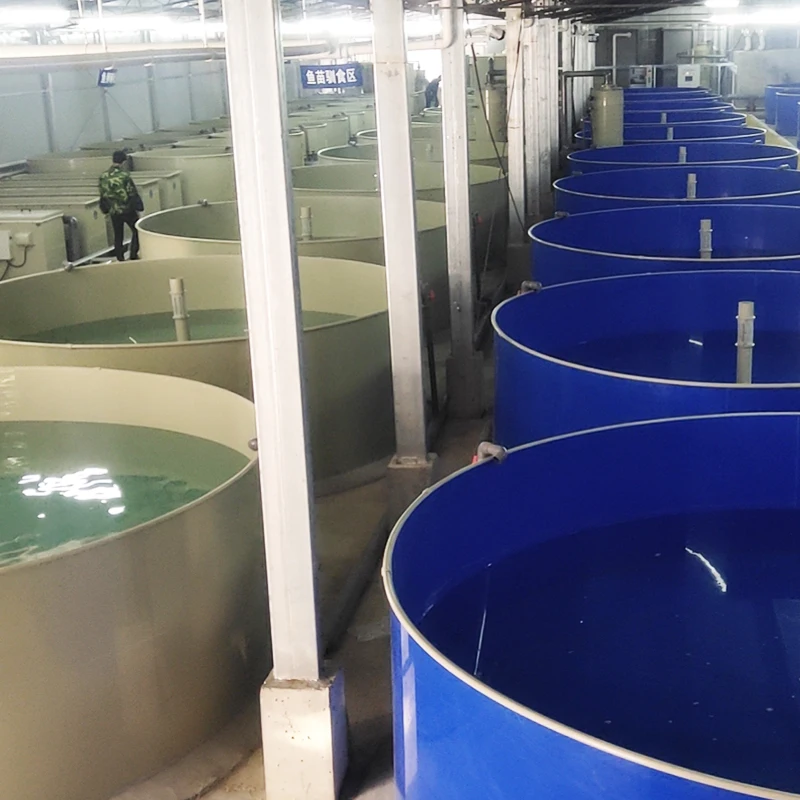
In recirculating aquaculture systems (RAS), keeping fish and other aquatic animals healthy is very important. One way to do this is by having a stable bio-filtration system. Biofiltration helps clean the water that fish live in. This is essential because fish produce waste, and if the water is not clean, it can harm them. In fact, the health of the fish and the success of the aquaculture operation depend heavily on how well the bio-filtration system works. Our company, eWater, focuses on making sure these systems are effective and reliable. Stable bio-filtration is not just a nice-to-have; it is a must-have for any successful aquaculture setup.
Why Stable Biofiltration is Essential for Recirculating Aquaculture Systems
Biofiltration is like the lungs of the fish tank. It helps clean the water by breaking down harmful substances. Fish produce waste, which includes ammonia. Ammonia can be very toxic to fish, even in small amounts. A good bio-filtration system turns ammonia into less harmful substances. This process is called nitrification. Without a stable bio-filtration system, the levels of ammonia can rise quickly, putting fish at risk. That’s why having a reliable biofilter is crucial for keeping fish healthy.
For example, if a farm doesn’t monitor its bio-filtration, it can face serious issues. Fish might get sick or die, leading to financial losses. When fish are sick, they do not grow well, and that means less profit for the farmer. A stable bio-filtration system can help avoid these problems. It also helps maintain good water quality. Healthy water means happy fish, and happy fish mean a successful recirculating aquaculture systems operation.
Additionally, bio-filtration plays a role in reducing diseases in fish. When the water is clean, fish are less likely to get sick. This is important for aquaculture farms that want to grow fish for sale. Healthy fish are more appealing to buyers, and they fetch a better price in the market. So, having a stable bio-filtration system contributes not just to the health of the fish but also to the success of the business.
How to Choose the Best Biofiltration System for Your Recirculating Aquaculture Needs
When looking for the right bio-filtration system, it’s important to consider a few key factors. First, think about the size of your aquaculture system. Different systems work better for different sizes. A small fish tank can use a simple filter, while a large RAS may need a more complex setup. At eWater, we provide options for various sizes to meet your needs.
Next, look at the type of fish you are raising. Some fish produce more waste than others, so a stronger biofilter might be necessary. For instance, if you are farming tilapia, they produce a lot of waste and need a powerful bio-filtration system. On the other hand, raising shrimp may require a different approach. Knowing your fish helps you pick the right system.
Another important factor is the type of biofilter. There are several types, like trickling filters, moving bed biofilm reactors (MBBR), and others. Each has its advantages and disadvantages. MBBRs are great for their efficiency and low maintenance, while trickling filters are often simpler to set up. Understanding these differences can help you make the best choice for your RAS.
Lastly, think about maintenance. A good bio-filtration system should not require too much work. You want a system that is easy to clean and maintain. This helps ensure that your fish always have clean water. At eWater, we design our systems to be user-friendly, making it easier for farmers to focus on what matters most: raising healthy fish.
What Makes Biofiltration a Game Changer for Sustainable Aquaculture?
Biofiltration is a fancy word, but it’s very important for fish farming. In aquaculture, fish are raised in tanks instead of in the wild. This is called a water recirculation system in aquaculture. In RAS, water is reused over and over again, which is great for saving water. But when you have fish in a tank, they produce waste. This waste can make the water dirty and unhealthy for the fish. That’s where bio-filtration comes in. Biofiltration helps clean the water by using good bacteria. These bacteria break down harmful substances in the water, like ammonia, which comes from fish waste. When ammonia builds up, it can be very bad for fish. Good bacteria turn ammonia into less harmful substances like nitrate, which is safer for fish.
Using bio-filtration is like having a natural cleaning system for fish tanks. This means that the fish can live in better conditions, grow faster, and stay healthy. When fish are healthy, they are less likely to get sick. This is important for farmers because sick fish can mean losing money. With bio-filtration, the water stays cleaner longer, which reduces the need to change the water often. This helps save water and makes fish farming more sustainable. eWater understands how important bio-filtration is for fish farming. By using advanced bio-filtration techniques, we ensure that fish farmers can produce healthy fish while protecting the environment. Biofiltration is not just a helpful tool; it is essential for keeping fish safe and supporting a healthy ecosystem. When fish farmers use bio-filtration, they are not only helping their fish but also helping the planet!
What are the Latest Innovations in Biofiltration for Recirculating Aquaculture?
Innovation means finding new and better ways to do things. In bio-filtration, there are many new ideas that can help fish farmers. One exciting innovation is the use of new types of materials for filters. Some of these materials help bacteria grow better and faster. When bacteria can grow quickly, they can clean the water more efficiently. This means fish can live in safer conditions without harmful waste. Another innovation is the use of sensors. Sensors can help farmers watch the water quality all the time. They can check things like temperature, pH, and ammonia levels. This helps farmers know when to clean or change the filters, keeping the water healthy for the fish.
There are also new systems that use different kinds of bacteria. Some scientists are experimenting with specific bacteria that can break down waste even better than regular bacteria. These special bacteria can help make the bio-filtration process faster and more effective. eWater is at the forefront of these exciting developments. We work hard to create systems that combine the latest technology with proven methods to help fish farmers succeed. Another innovation is the use of plants in bio-filtration. Some farms are using plants to help clean the water. Plants can absorb nutrients and waste from the water, working alongside bacteria to keep the water clean. This method is called phytoremediation, and it adds another layer of protection for the fish.
All these innovations help make sustainable aquaculture more efficient and sustainable. They allow farmers to raise fish in a way that is better for the environment and for the economy. As technology continues to improve, bio-filtration will play an even bigger role in making aquaculture a safe and healthy way to provide food for people.
How to Overcome Common Biofiltration Challenges in Aquaculture Systems?
Even though bio-filtration is very important, it can have some challenges. One common problem is keeping the right balance of bacteria. Sometimes, the good bacteria can die off, which makes the water dirty. This can happen if the water temperature changes too much or if there is not enough oxygen. To solve this problem, farmers should regularly check the water conditions. It’s important to keep the water temperature steady and make sure there is enough oxygen for the bacteria to thrive. eWater recommends using aeration systems that add oxygen to the water. This helps keep both the fish and the bacteria healthy.
Another challenge is the buildup of harmful substances like solids and detritus. Over time, waste can accumulate in the filters, which can slow down the cleaning process. To tackle this issue, fish farmers should regularly clean and maintain their bio-filtration systems. It’s important to have a schedule for cleaning filters and checking for blockages. By keeping the filters clean, farmers can ensure that the bio-filtration system works effectively. Additionally, farmers can use mechanical filters to remove larger particles before they reach the biofilters.
Table of Contents
- Why Stable Biofiltration is Essential for Recirculating Aquaculture Systems
- How to Choose the Best Biofiltration System for Your Recirculating Aquaculture Needs
- What Makes Biofiltration a Game Changer for Sustainable Aquaculture?
- What are the Latest Innovations in Biofiltration for Recirculating Aquaculture?
- How to Overcome Common Biofiltration Challenges in Aquaculture Systems?