
 EN
EN
 AR
AR
 BG
BG
 HR
HR
 CS
CS
 DA
DA
 NL
NL
 FI
FI
 FR
FR
 DE
DE
 EL
EL
 HI
HI
 IT
IT
 JA
JA
 KO
KO
 NO
NO
 PL
PL
 PT
PT
 RO
RO
 RU
RU
 ES
ES
 SV
SV
 TL
TL
 IW
IW
 ID
ID
 SR
SR
 UK
UK
 VI
VI
 HU
HU
 TH
TH
 TR
TR
 AF
AF
 BN
BN
 LO
LO
 LA
LA
 MY
MY
 UZ
UZ

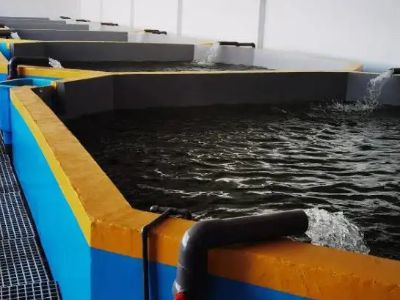
Modern RAS (Recirculating Aquaculture System) facilities, like those developed by eWater, are changing how we grow fish and shellfish. These systems use technology to create a controlled environment for aquatic animals. This means that farmers can raise fish in a stable setting, leading to more reliable harvest cycles. Unlike traditional fishing methods, RAS facilities can produce fish all year round. This is important because it helps meet the demand for seafood. With Ras aquaculture, farmers can know when they will harvest their fish, which helps them plan better and sell their products on time.
Why Modern RAS Aquaculture Facilities Ensure Consistent Harvest Quality?
One of the best things about modern RAS facilities is their ability to ensure quality. In these systems, water is constantly cleaned and reused, which keeps the fish healthy. Healthy fish grow faster and taste better. For instance, in a RAS setup, the water is filtered to remove waste and harmful substances, making it safe for the fish. This is different from traditional farms, where fish can be exposed to diseases and pollution. Because Ras aquaculture system control the water quality, fish can grow in a clean and safe environment.
Farmers can also control the temperature and oxygen levels in RAS facilities. If the water is too warm or too cold, fish can get stressed, which might slow their growth. With RAS, farmers can adjust these conditions to ensure the fish are comfortable. For example, if the water is too warm, they can cool it down using special systems. This care leads to fish that are not just larger but also tastier and healthier for consumers.
Moreover, these systems allow fish to grow in a more natural way. In RAS facilities, fish can swim freely and behave like they would in the wild. This helps them stay active and reduces stress, leading to better quality meat. When buyers look for seafood, they want fish that is fresh and high-quality. RAS facilities help in achieving this goal consistently, which is good for both farmers and consumers.
What Wholesale Buyers Need to Know About RAS Aquaculture Efficiency?
Wholesale buyers should really pay attention to how efficient RAS aquaculture is. It’s not just about having fish; it's about having fish that are ready when the buyers need them. RAS facilities can produce fish in a short amount of time. Since they control everything from water quality to fish feeding, the growth cycles are predictable. This means buyers can plan their orders better. They don’t have to worry about running out of fish or getting them late.
Also, RAS systems can produce more fish in a smaller space. This is an advantage for wholesale buyers because it means there is a reliable supply. When farmers use RAS, they can produce a lot of fish without needing a large area. This helps keep costs down, which can be good for prices. Buyers can get high-quality fish without paying too much.
Another important point is sustainability. RAS facilities use less water and produce less waste compared to traditional methods. This is something many buyers value today. Consumers are becoming more aware of how their food is produced, and they prefer seafood that is farmed responsibly. When buyers choose fish from RAS facilities, they can feel good knowing they are supporting sustainable practices. This aligns with the growing demand for eco-friendly products, making it even more appealing for wholesale buyers.
In summary, modern RAS aquaculture facilities offer lots of benefits for farmers and buyers alike. They allow for predictable harvest cycles, consistent quality, and efficient production. Companies like eWater are at the forefront of this technology, making seafood farming better for everyone involved.
How RAS Systems Solve Common Harvest Timing Issues in Aquaculture?
Fish farming, or aquaculture, can sometimes be tricky. One of the biggest problems is timing. Farmers want to know exactly when they can harvest their fish. With traditional fish farms, the timing can be all over the place. Weather, water quality, and even fish health can make it hard to know when to collect the fish. This is where eWater comes in. We use a special system called RAS, which stands for Ras farming aquaculture helps solve these timing problems in a smart way.
In RAS, water is cleaned and reused. This means the fish are always in a healthy environment. Because of this, fish grow at a steady pace. Farmers can monitor water temperature, oxygen levels, and waste. With RAS, everything is controlled better than in traditional farms. If something is not right, farmers can fix it quickly. This means fewer surprises when it comes time to harvest. They can plan their harvests more accurately. For example, if a farmer knows how fast the fish are growing, they can pick the perfect day to catch them. This predictability helps farmers plan for busy times and manage their resources better. Overall, RAS systems take away a lot of the guesswork from fish farming, making it easier for farmers to know when to harvest.
What Makes RAS Aquaculture a Game-Changer for Wholesale Markets?
Wholesale markets are where fish are sold in bulk. For these markets, timing is everything. If a farmer can deliver fresh fish on time, it makes a big difference. RAS aquaculture, like what eWater provides, is a game-changer for these wholesale markets. With RAS, farmers can produce fish in a more controlled way. This means they can harvest fish more regularly and predictably.
When fish are raised in RAS systems, they are usually healthier and bigger. This is great for wholesale buyers because they want fish that are of high quality. If a supplier can promise fresh fish every week, they can build strong relationships with buyers. Reliable supply is key in the wholesale market. If fish are not available when they are needed, buyers may look for other suppliers. RAS helps farmers maintain a steady supply, which keeps customers happy.
Additionally, RAS systems can produce fish year-round, regardless of the weather outside. With traditional fish farms, bad weather can cause delays. But with RAS, fish farming can continue without interruptions. This means that wholesale markets can always count on getting fish when they need them. In summary, RAS aquaculture helps farmers meet the demands of wholesale markets by providing reliable and high-quality fish.
What Are the Benefits of Predictable Harvest Cycles in RAS Farming?
Predictable harvest cycles are very important for fish farming. When farmers know exactly when to harvest their fish, it helps them in many ways. At eWater, our RAS systems make this possible. First, predictable harvests mean that farmers can plan better. They can organize their time and resources, making sure they have enough workers and supplies ready when it’s time to catch the fish. This planning can save money and reduce waste.
Another benefit is that buyers, like restaurants and grocery stores, like to know when they can expect fresh fish. When farmers can give a clear timeline for when fish will be ready, it builds trust. Buyers are more likely to come back if they know they can rely on a steady supply. This can lead to long-term partnerships and better prices for the fish.
Also, predictable harvest cycles mean that farmers can control the quality of their fish. If they know exactly when to harvest, they can pick the best fish at the right size. This leads to better quality fish going to market, which is important for everyone, from the farmer to the end consumer. Finally, when harvests are predictable, it can help with sustainability. Farmers can manage their fish populations better, ensuring they don’t overfish or underfish. This is good for the fish and the environment. Overall, predictable harvest cycles in RAS farming provide benefits for farmers, buyers, and the planet.
Table of Contents
- Why Modern RAS Aquaculture Facilities Ensure Consistent Harvest Quality?
- What Wholesale Buyers Need to Know About RAS Aquaculture Efficiency?
- How RAS Systems Solve Common Harvest Timing Issues in Aquaculture?
- What Makes RAS Aquaculture a Game-Changer for Wholesale Markets?
- What Are the Benefits of Predictable Harvest Cycles in RAS Farming?