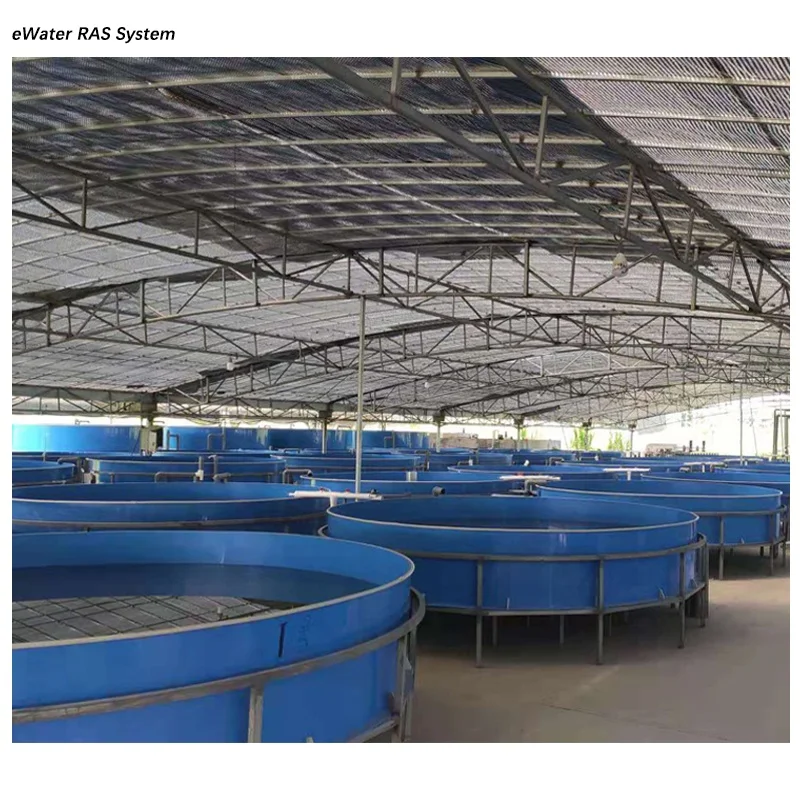
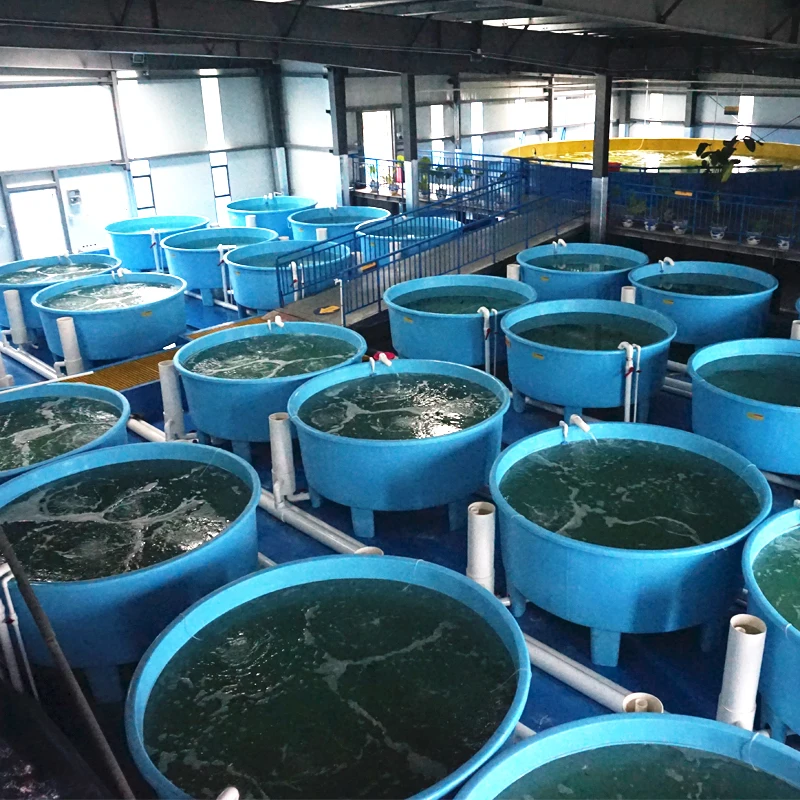
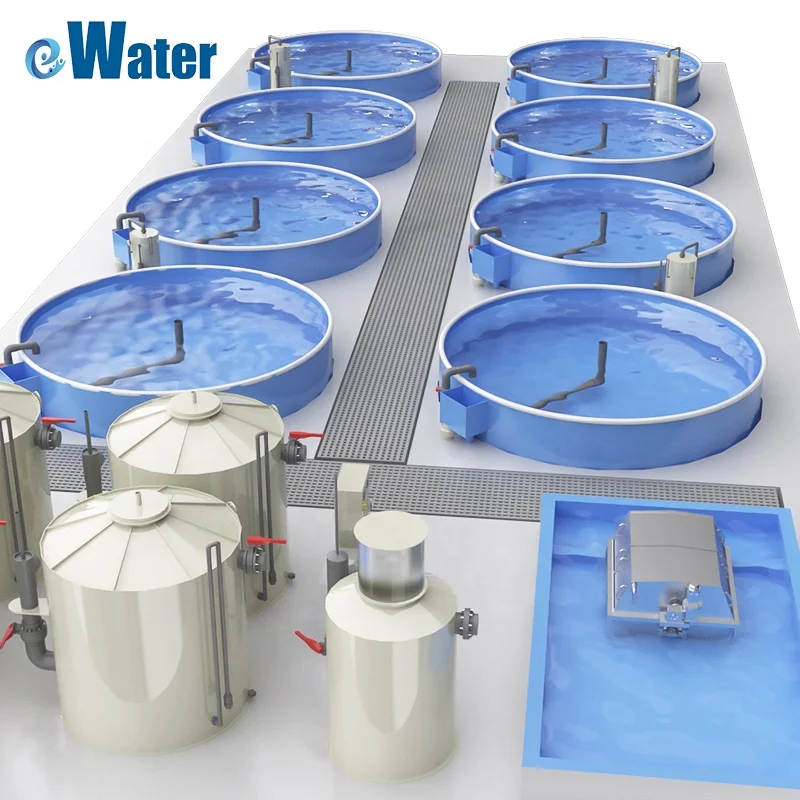
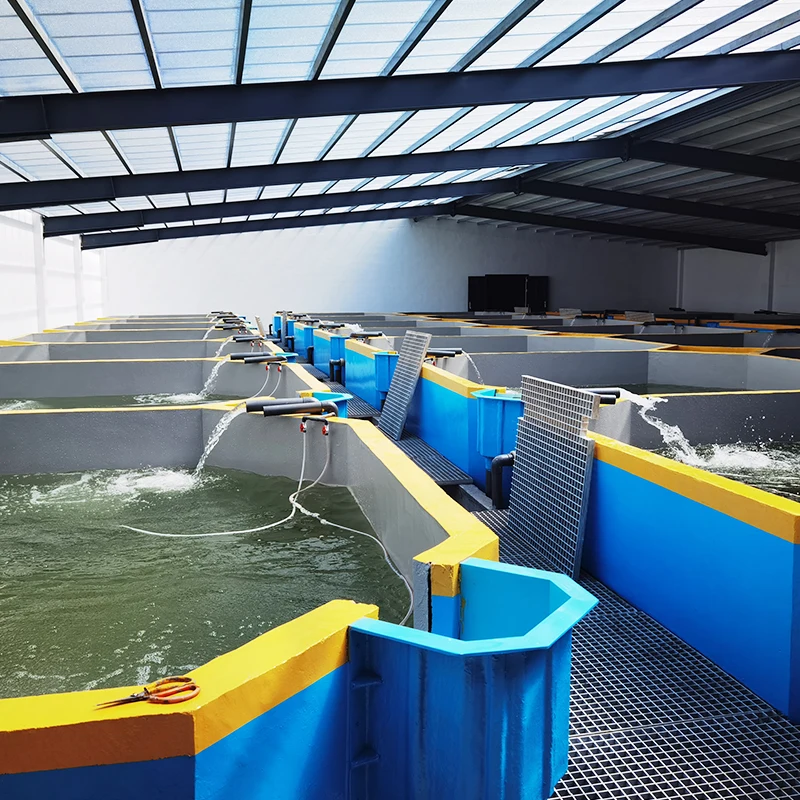
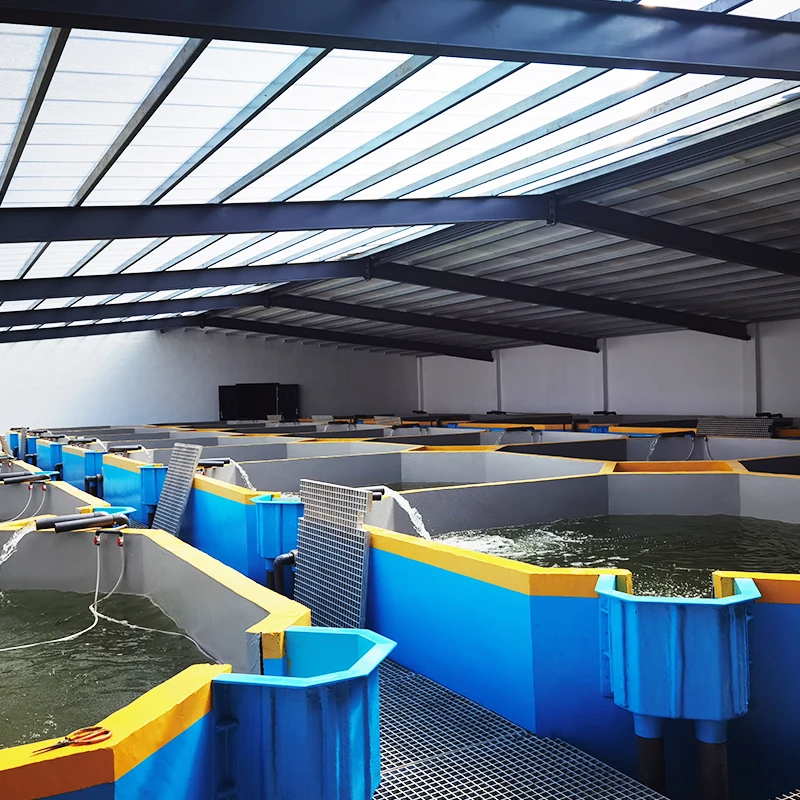
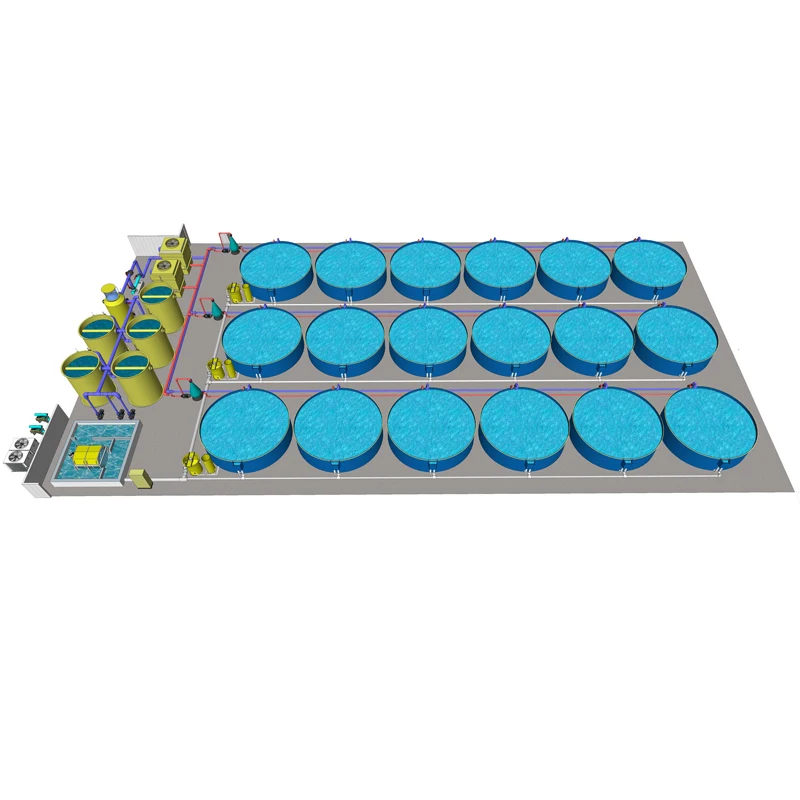
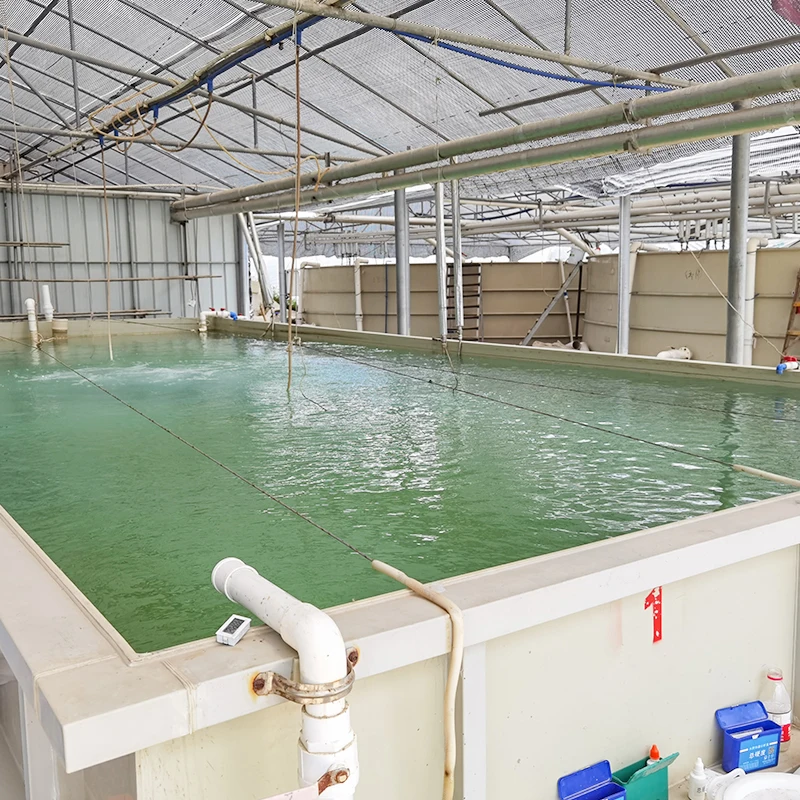
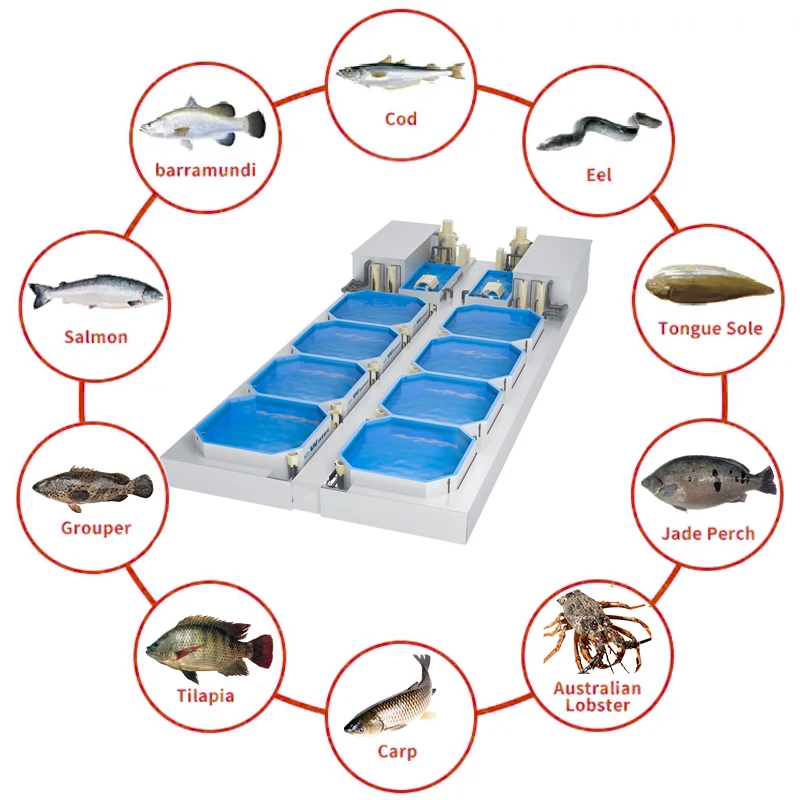
Aquaculture is the practice of farming fish and other aquatic animals. A semi-intensive aquaculture system is a method that uses both natural resources and some man-made inputs to raise fish. This system is popular because it can produce fish efficiently while also being friendly to the environment. At eWater, we focus on providing the tools and knowledge to help farmers use these systems effectively. By understanding semi-intensive aquaculture, we can help support local fish farming, which is important for both the economy and food supply.
Wholesale buyers can find many advantages in semi-intensive aquaculture system. First, these systems often produce fish that are fresher and healthier. Because fish are raised in a more natural environment, they tend to grow better and have better taste. For example, farmers can use natural ponds or lakes alongside some feed. This way, the fish benefit from both natural food and the extra nutrients from the feed. Buyers appreciate this quality because it means they can offer their customers better products. Another benefit is the cost. Semi-intensive aquaculture can be less expensive than fully intensive systems. Since farmers use a mix of nature and feed, they can save money on feeding. This can lead to lower prices for wholesale buyers. When buyers save money, they can pass those savings on to their customers, making their products more attractive. Finally, wholesale buyers can feel good knowing they are supporting sustainable practices. Many consumers today care about where their food comes from. By choosing fish from semi-intensive aquaculture, they can promote a responsible way to farm fish, which is a big selling point.
Sustainability is a big deal in today's world, and semi-intensive Recycling aquaculture system plays a key role in this. One of the main reasons is that it uses natural resources wisely. In this system, fish often live in ponds or lakes where they can find some of their food. This means less reliance on artificial feed, which can be harmful to the environment if used too much. For instance, when fish can forage for food naturally, it reduces waste and pollution. Another reason is that semi-intensive aquaculture can help improve local ecosystems. When fish are raised in harmony with nature, they can help keep water clean and support other wildlife. This balance is essential for a healthy environment. Suppliers can also benefit from this model because it often requires fewer inputs than more intensive systems. This means less energy and fewer resources are needed, which makes it easier for suppliers to maintain their operations without hurting the planet. At eWater, we believe that supporting systems like these is important for the future of farming. By choosing semi-intensive aquaculture, suppliers can not only meet their business goals but also contribute to a healthier planet and community.
Fish health is very important in semi-intensive aquaculture, where fish are raised in ponds or cages with some help from feeding and water management. To keep fish healthy, it’s crucial to start with good water quality. Clean water helps fish grow and stay strong. eWater suggests checking the water for things like oxygen levels, temperature, and pH. Oxygen is necessary for fish to breathe, just like we need air. If the water is too warm or too cold, fish can get stressed and sick. Regularly changing the water or using aerators can help keep the fish happy and healthy.
Another way to improve fish health is by monitoring for diseases and parasites. Fish can get sick just like people, and early detection is important. eWater advises fish farmers to look for signs like unusual swimming patterns, lack of appetite, or changes in color. If fish look sick, it’s best to consult an expert quickly. They can help figure out what’s wrong and how to treat it. Keeping the fish environment clean and making sure there are not too many fish in one place can help prevent disease.
The future of semi-intensive Recycle aquaculture systems ras looks bright because of new ideas and technologies. These innovations help farmers raise fish more efficiently and sustainably. One important innovation is the use of smart technology. eWater is excited about how devices like sensors can help monitor water quality in real-time. Sensors can measure things like temperature, oxygen levels, and pH right away. This means farmers can quickly fix any problems that arise, ensuring fish stay healthy and grow well.
Sustainable practices are also becoming more popular in semi-intensive aquaculture. eWater supports using natural feeds, like plant-based proteins, instead of fish meal. This helps reduce the pressure on wild fish populations and makes farming more eco-friendly. Innovations in breeding are also helping fish farmers. By selecting fish that grow faster and are more resistant to diseases, farmers can produce healthier fish more efficiently.
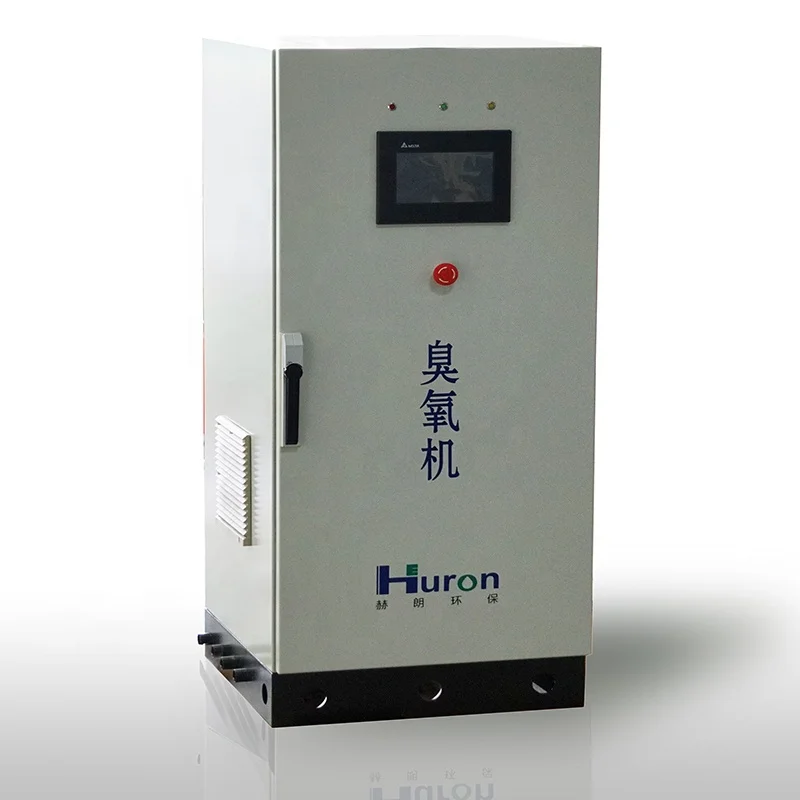
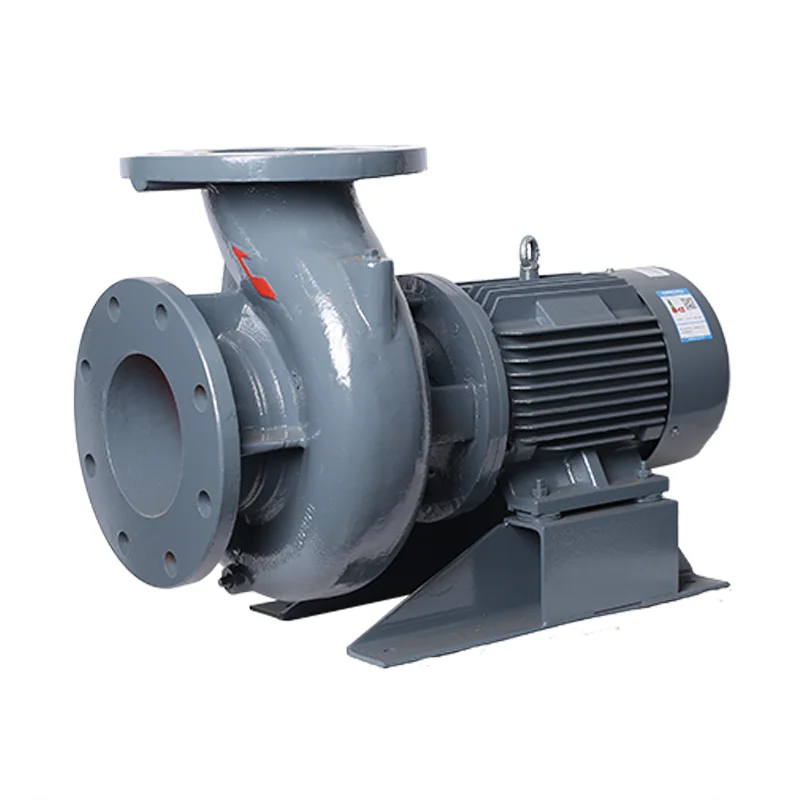
eWater produces most RAS equipment in-house. 2018, came up Gen-3 Tools for fish farming, Gen-2 proteins skimmers, Gen-3 oxygenation. offer 3 year warranty promise offer product-life quality technical support. ISO/CE certified 2016.
eWater one most Skimmer for saltwater tank aquaculture supply firms specializes aquaculture recirculating system. work customers develop perfect solution meet needs.
eWater relentlessly pursuring innovative RAS solutions reduced energy usages increased productivity.We've achieved 400 RAS worldwides September Uv sterilizer system.
Uv light water disinfection bring engineers site assist installation qualification. design RAS projects detailed prints overseas customers make basic building completed create realistic schedule, includes timeframe requirements labor prior installation.
Our professional sales team are waiting for your consultation.

 EN
EN
 AR
AR
 BG
BG
 HR
HR
 CS
CS
 DA
DA
 NL
NL
 FI
FI
 FR
FR
 DE
DE
 EL
EL
 HI
HI
 IT
IT
 JA
JA
 KO
KO
 NO
NO
 PL
PL
 PT
PT
 RO
RO
 RU
RU
 ES
ES
 SV
SV
 TL
TL
 IW
IW
 ID
ID
 SR
SR
 UK
UK
 VI
VI
 HU
HU
 TH
TH
 TR
TR
 AF
AF
 BN
BN
 LO
LO
 LA
LA
 MY
MY
 UZ
UZ