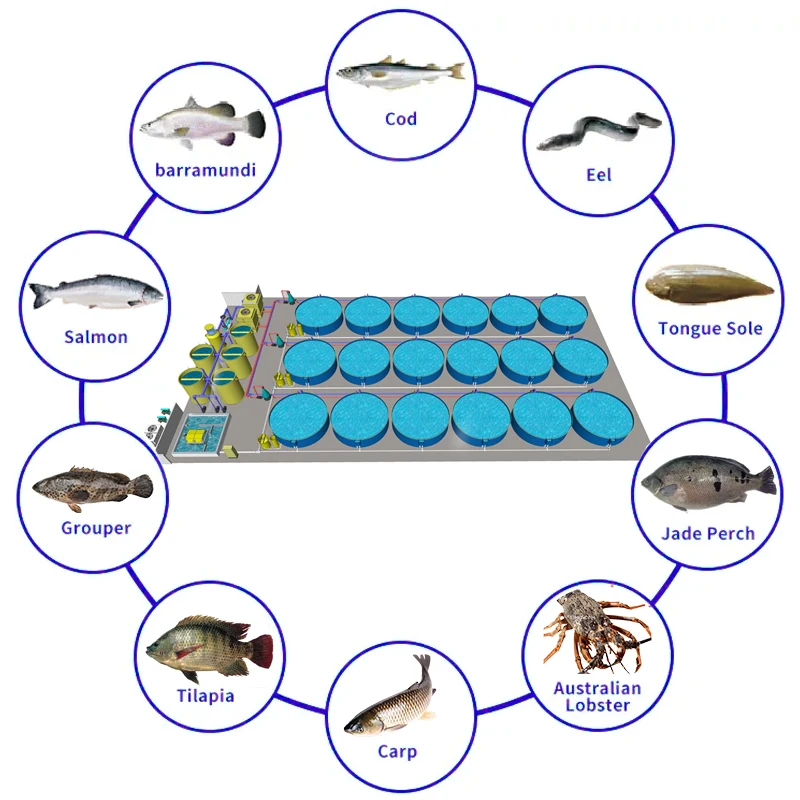
shrimp, also known as Pacific white shrimp, are a popular choice for farming in water, called aquaculture. These shrimp are grown in ponds and tanks because they are easy to raise and are good for the environment. eWater focuses on helping farmers grow these shrimp in a way that is safe and healthy. shrimp grow quickly and can be harvested in just a few months. They are tasty and can be found in many dishes around the world, making them a favorite among chefs and families alike. Because of their popularity, many farmers are turning to aquaculture to meet the demand for this delicious seafood. The growth of shrimp farming helps provide jobs and food for many people.
shrimp are a top pick for Water recirculation system in aquaculture for several reasons. First, they grow fast, which means farmers can sell them sooner. This is great for making money. They can reach a size suitable for eating in just 6 months, while other shrimp types can take much longer. Second, shrimp can live in different water conditions. They can thrive in both saltwater and freshwater, which gives farmers more options on where to raise them. Another reason is that they are able to eat various kinds of food. This makes it easier for farmers to provide the right nutrients without spending too much money on special feed. shrimp are also resistant to some diseases, which means less chance of losing a whole crop. This is important because losing shrimp to illness can hurt a farmer’s income. Lastly, shrimp are popular with consumers. Many people love the taste and texture of these shrimp, making them a favorite in restaurants and homes. This strong demand encourages more farmers to raise them, creating a cycle of growth in aquaculture. eWater helps support farmers by providing tools and information to make their shrimp farming successful. When farmers succeed, it benefits everyone, from the producers to the consumers.
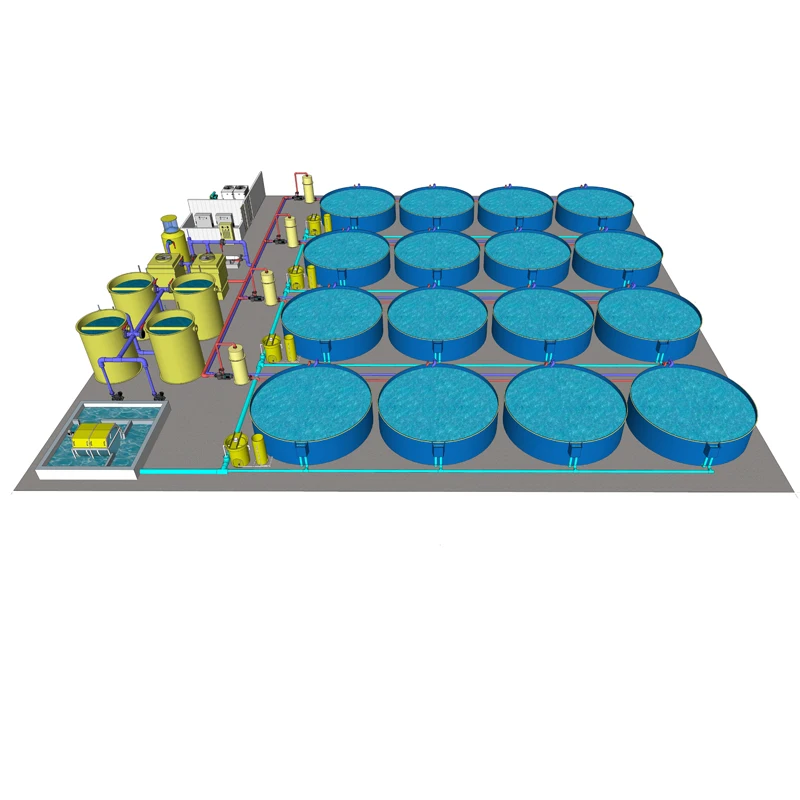
Sustainable practices are very important for shrimp farming. Farmers need to think about how their actions affect the environment. One way to be sustainable is to use less water. Farmers can use techniques like recirculating Water based system aquaculture, which clean and reuse water instead of wasting it. This saves water and keeps the shrimp healthy. Another important practice is to avoid using harmful chemicals. Instead of pesticides, farmers can use natural methods to keep pests away, like introducing other animals that eat those pests. Feeding shrimp with sustainable feed also helps. Farmers should choose feed made from ingredients that do not harm the ocean, like plant-based proteins. This keeps fish populations safe and healthy. It is also good to monitor the shrimp health regularly. When farmers keep an eye on their shrimp, they can catch problems early and fix them before they get worse. eWater provides tools to help farmers track the health of their shrimp and the quality of their water. Finally, farmers can work together with local communities. By sharing knowledge and resources, they can help each other succeed while protecting the environment. Sustainable farming not only helps the shrimp but also ensures that future generations can enjoy this delicious seafood.
If you are looking to buy shrimp in bulk, there are many places where you can find good prices. One great option is to check online seafood markets. Many websites specialize in selling shrimp and other seafood directly to buyers. These websites often offer competitive prices because they work directly with farmers. You can also compare prices from different sellers to find the best deal. Another place to look is local fish markets or wholesalers in your area. Sometimes, buying directly from a market can save you money because you can avoid shipping costs.
Buying shrimp can be exciting, but it is important to know what to look for to make sure you get the best quality. First, you should decide how much shrimp you need. Buying in bulk can save you money, but you must make sure you can use it all before it goes bad. Next, check the size of the shrimp come in different sizes, measured by count per pound. For example, shrimp that are 16/20 means there are 16 to 20 shrimp in one pound. Choose the size that fits your recipe or needs.
shrimp farming has changed a lot in recent years. Farmers are always looking for better ways to raise shrimp that are safe and healthy. One big trend is using technology to improve farming practices. For example, many farms now use sensors and computer programs to monitor water quality. This helps ensure that the shrimp are grown in the best environment for their health. Good water quality is very important because it affects how quickly the shrimp grow and their overall taste.
Another trend is using less antibiotics in shrimp farming. In the past, some farms used a lot of antibiotics to keep shrimp healthy. However, many consumers now want seafood that is free from antibiotics. Farmers are finding new ways to keep Recycling aquaculture system healthy without using these chemicals. This includes better management of their farms and using natural methods to prevent disease. This is not only good for the shrimp but also for people who eat them.
eWater top supplier aquaculture, specializing Recirculating aquaculture systems, collaborates customers Tilapia ras system most suitable solution requirements.
eWater relentlessly pursuring innovative RAS strategies lowers energy consumptions Water based system aquacultureproductivity.We've succeeded delivering 400 RAS around world September 2022.
eWater manufactures majority RAS equipment. 2018, developed Gen-3 rotary drum filters, Skimmer for saltwater tank proteins skimmers, Gen-3 oxygenation. We offer 3 year guarantee committed providing product-lifequality technical support. Since 2016, we been ISO/CE certified.
send water drum filter customers' location support installation qualifications on-site. create RAS detail-oriented prints overseas customers ensure building's basic design prepared develop practical plans, including timelines labour requirements prior installation.
Our professional sales team are waiting for your consultation.

 EN
EN
 AR
AR
 BG
BG
 HR
HR
 CS
CS
 DA
DA
 NL
NL
 FI
FI
 FR
FR
 DE
DE
 EL
EL
 HI
HI
 IT
IT
 JA
JA
 KO
KO
 NO
NO
 PL
PL
 PT
PT
 RO
RO
 RU
RU
 ES
ES
 SV
SV
 TL
TL
 IW
IW
 ID
ID
 SR
SR
 UK
UK
 VI
VI
 HU
HU
 TH
TH
 TR
TR
 AF
AF
 BN
BN
 LO
LO
 LA
LA
 MY
MY
 UZ
UZ