
 EN
EN
 AR
AR
 BG
BG
 HR
HR
 CS
CS
 DA
DA
 NL
NL
 FI
FI
 FR
FR
 DE
DE
 EL
EL
 HI
HI
 IT
IT
 JA
JA
 KO
KO
 NO
NO
 PL
PL
 PT
PT
 RO
RO
 RU
RU
 ES
ES
 SV
SV
 TL
TL
 IW
IW
 ID
ID
 SR
SR
 UK
UK
 VI
VI
 HU
HU
 TH
TH
 TR
TR
 AF
AF
 BN
BN
 LO
LO
 LA
LA
 MY
MY
 UZ
UZ

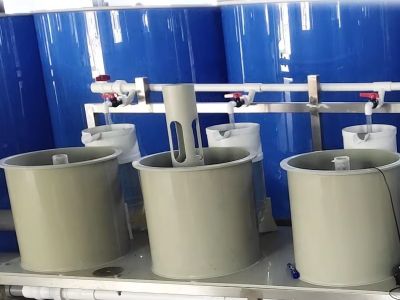
Shrimp farming can be a tricky business, especially when it comes to keeping the shrimp healthy. One of the best ways to protect shrimp from getting sick is by using a method called "Zero-Exchange Shrimp Culture." At eWater, we believe this method is very important for keeping shrimp safe and healthy. It’s like a superpower for ponds. Instead of changing the water often, this method keeps the water clean and safe for the shrimp by using special techniques.
Why Zero-Exchange Shrimp Culture is Essential for Viral Outbreak Prevention
Zero-Exchange Shrimp Culture is really important for stopping viruses from taking over shrimp farms. When farmers change the water often, they can accidentally bring in bad germs and viruses. This can make the shrimp sick and even cause them to die. With Zero-Exchange, farmers keep the same water in the pond and treat it with special systems. This way, the water stays clean without bringing in new problems. For instance, farmers can use filters to take out dirt and bad stuff from the water, keeping it healthy.
How Zero-Exchange Shrimp Culture Reduces Disease Risks in Aquaculture
Using Zero-Exchange Shrimp Culture helps cut down on the chances of shrimp getting sick. When you keep the same water, you have more control over what happens in the pond. Farmers can watch the water closely and make changes if something doesn’t seem right. This is much better than changing the water all the time and risking bringing in new problems. By using Zero-Exchange Shrimp Culture, farmers protect their shrimp, their business, and help the environment. It’s a smart choice that benefits everyone involved, from the shrimp to the people who love to eat them. eWater is proud to support this method, helping to create a safer and healthier future for shrimp farming.
How to Implement Zero-Exchange Shrimp Culture in Your Pond Management
To start using Zero-Exchange Shrimp Culture in your pond, you first need to prepare the pond correctly. Begin by cleaning the pond and ensuring that it has good water quality. This means checking the water for harmful substances and making sure it has the right levels of oxygen, pH, and temperature. You can use special tools to measure these factors. Once the pond is ready, it's time to stock it with shrimp. Choose healthy shrimp from a trusted source to make sure they are strong and less likely to get sick.
Common Usage Issues in Shrimp Farming and How Zero-Exchange Culture
Shrimp farming can have some common problems that make it hard to grow healthy shrimp. One big issue is water quality. In traditional shrimp farming, farmers often change the water to keep it clean. However, this can stress the shrimp farming equipment ras is changed, it can also introduce new diseases into the pond. Zero-Exchange Shrimp Culture helps solve this problem by not changing the water. Instead, it focuses on keeping the water clean using natural filtration methods.
Why Zero-Exchange Shrimp Culture is the Future of Sustainable Aquaculture
The future of ras system for shrimp farming looks bright with Zero-Exchange Shrimp Culture. This method is not only good for shrimp but also for the environment. One reason it is becoming popular is that it uses less water. Traditional shrimp farming often requires a lot of water changes, which can waste this valuable resource. In contrast, Zero-Exchange Culture keeps the same water, making it more sustainable. This is important as we face challenges like drought and water shortages.
Conclusion
Lastly, Zero-Exchange Shrimp Culture is more adaptable to climate change. With shrimp farm equipment patterns, traditional farming methods may struggle. However, the stability offered by Zero-Exchange Culture means it can better handle unexpected changes in the environment. This resilience makes it a smart choice for the future. Zero-Exchange Shrimp Culture is the way forward for shrimp farming. It is sustainable, supports healthy shrimp growth, protects our ecosystems, and adapts well to changes. With help from companies like eWater, this method can lead to a brighter and healthier future for aquaculture.
Table of Contents
- Why Zero-Exchange Shrimp Culture is Essential for Viral Outbreak Prevention
- How Zero-Exchange Shrimp Culture Reduces Disease Risks in Aquaculture
- How to Implement Zero-Exchange Shrimp Culture in Your Pond Management
- Common Usage Issues in Shrimp Farming and How Zero-Exchange Culture
- Why Zero-Exchange Shrimp Culture is the Future of Sustainable Aquaculture
- Conclusion