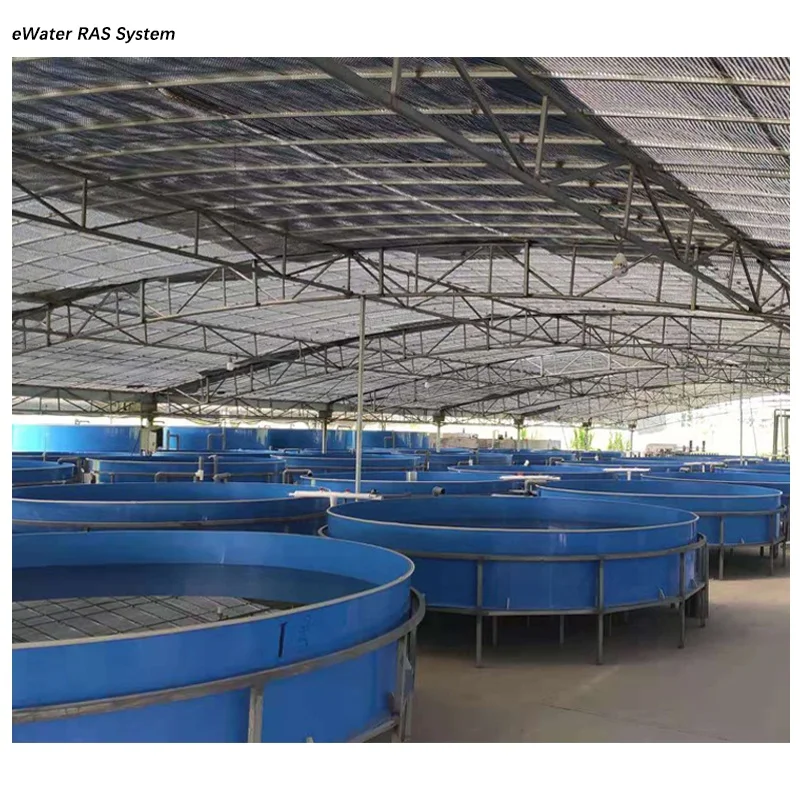
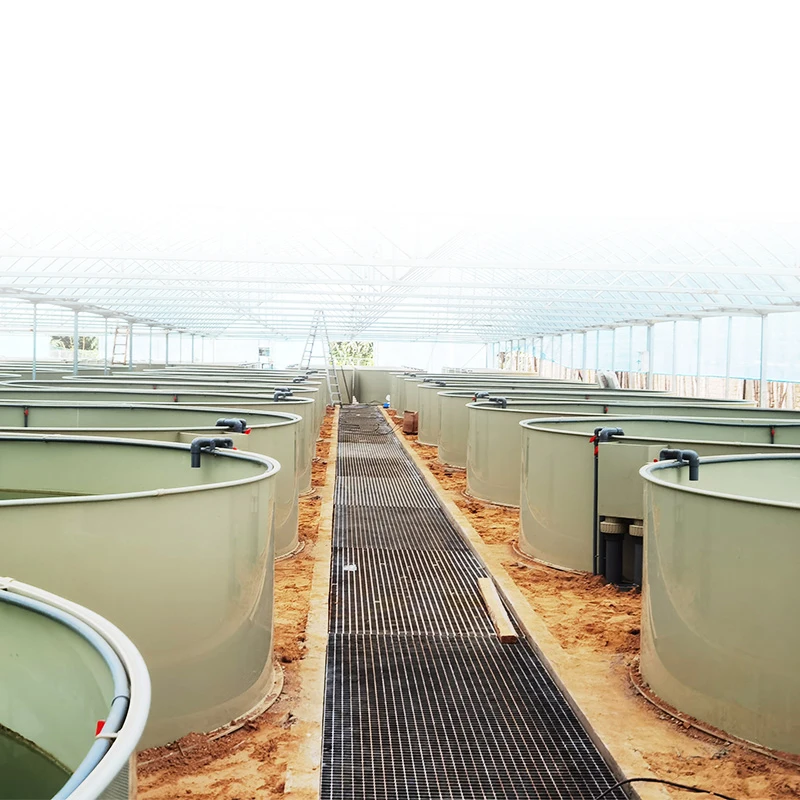
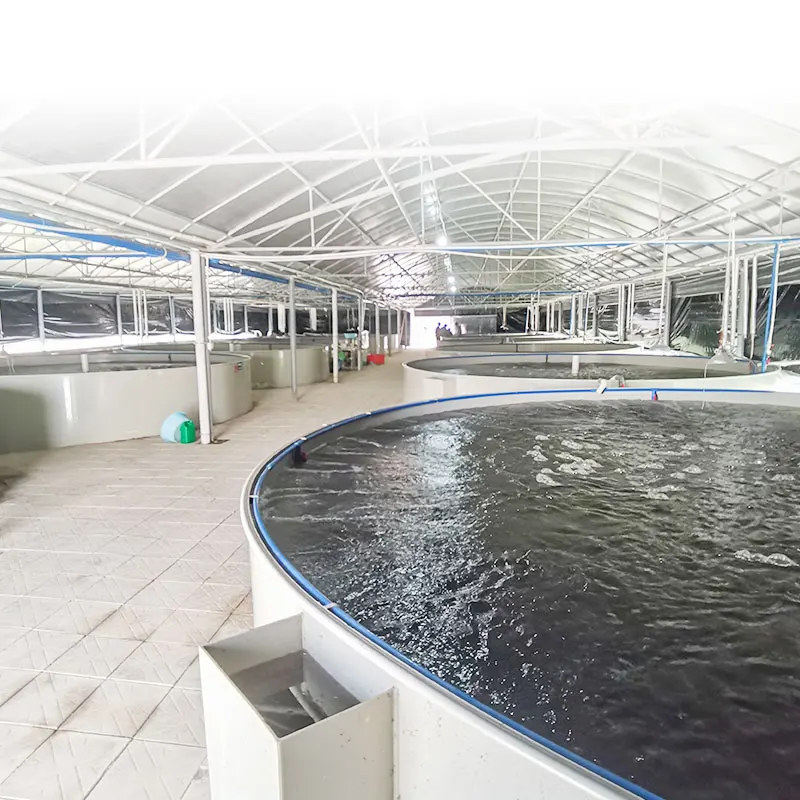
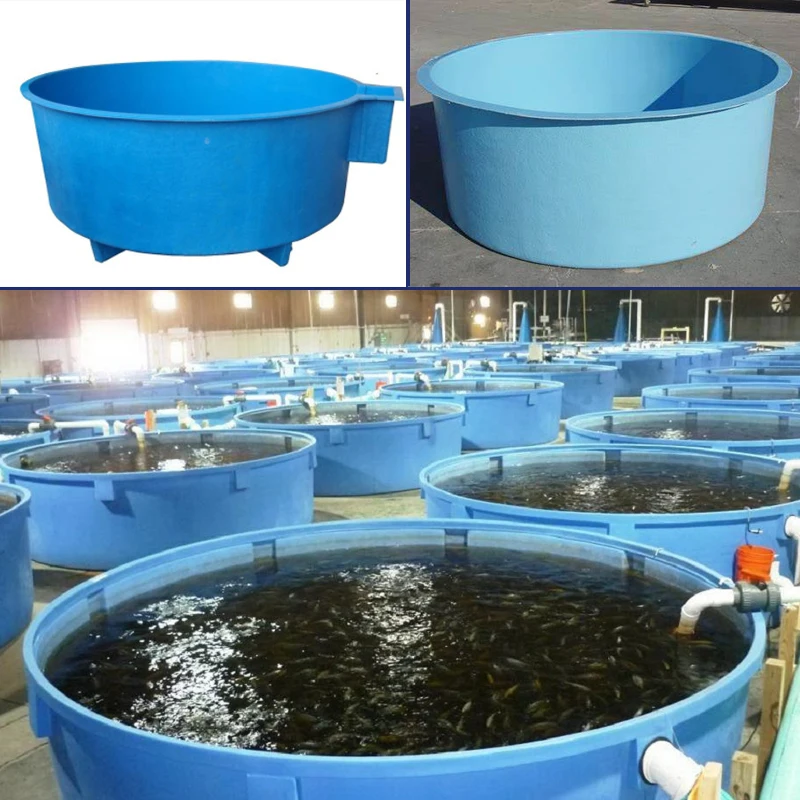
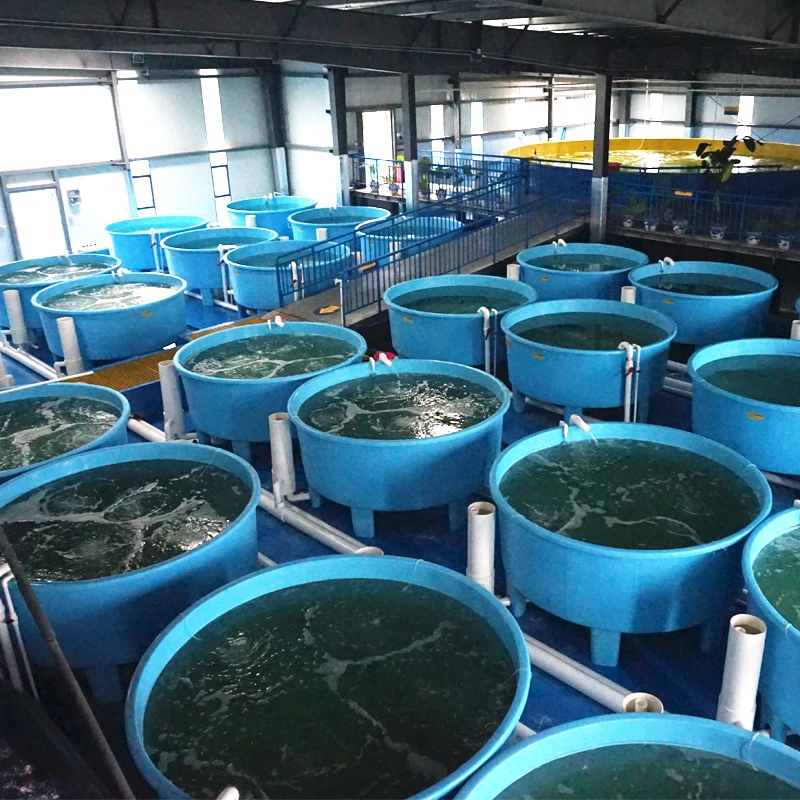
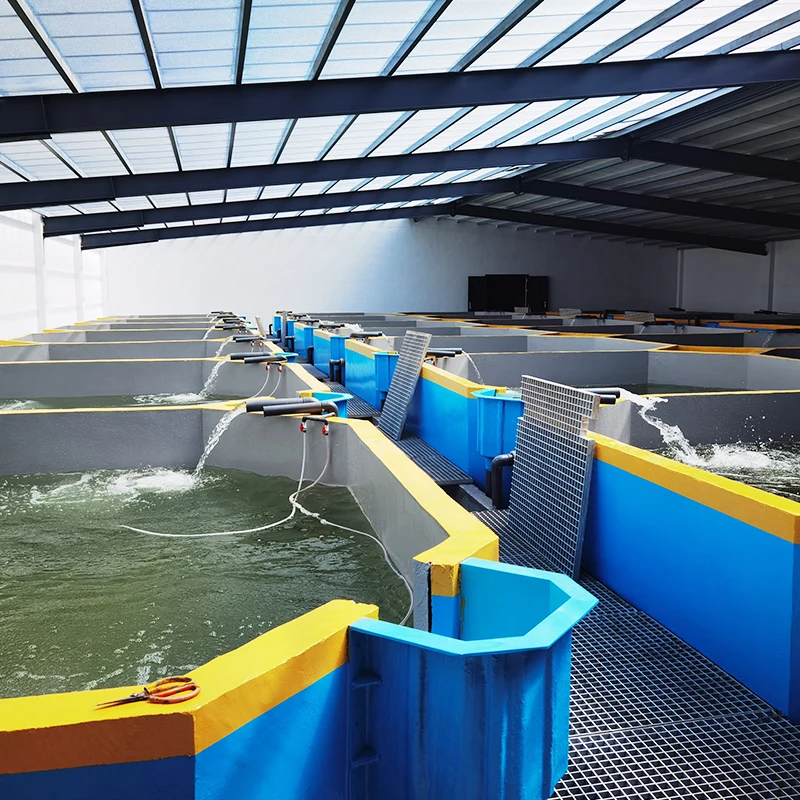
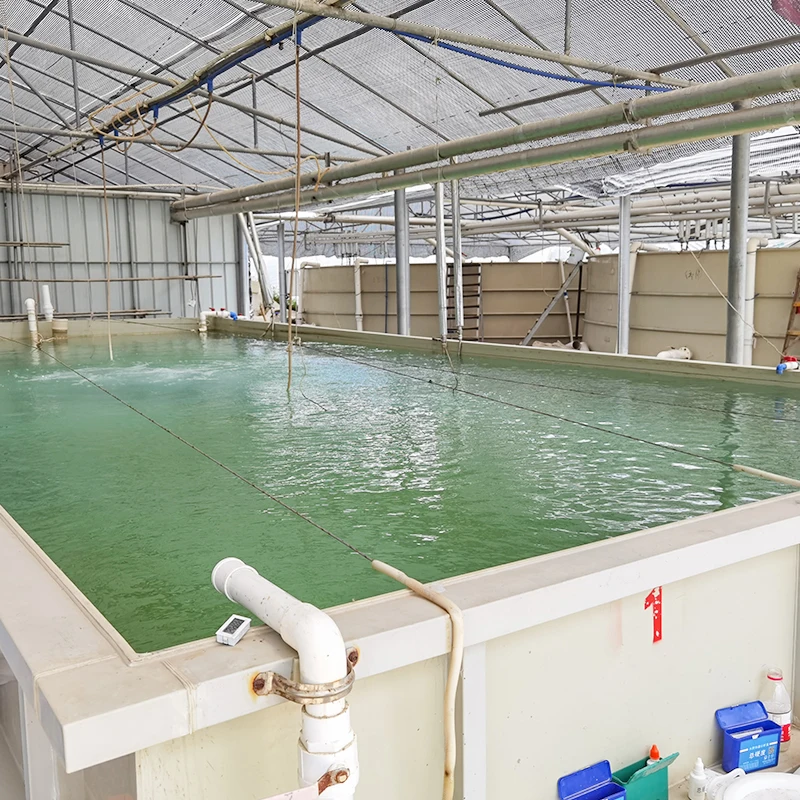
Choosing the right eWater-made hatchery tank is crucial for achieving optimal results in fish and shrimp farming. As a key component of Recirculating Aquaculture Systems (RAS), hatchery tanks must meet demanding specifications for size, material, and performance to ensure the health and growth of aquatic species. This article addresses essential buyer concerns, such as material selection, bulk purchasing considerations, and the importance of quality control during the manufacturing process. By understanding these factors, purchasing managers and other decision-makers can make informed choices that enhance their aquaculture operations
Selecting the appropriate eWater fish hatchery tank can significantly impact the success of your aquaculture system. Key specifications to consider include tank size, shape, and volume, which must align with the specific species being cultivated and their growth requirements. For example, larger species may need more extensive tanks to accommodate their size, while smaller species can thrive in more compact settings
Material selection also plays a vital role. Tanks are typically made from fiberglass, polyethylene, or stainless steel. Fiberglass tanks are durable and resistant to corrosion, making them suitable for long-term use. Polyethylene tanks are lighter and often more cost-effective, but they may not withstand harsh environmental conditions as well as fiberglass. Stainless steel offers excellent durability and ease of cleaning but can be more expensive. Assessing the specific needs of your operation will guide you toward the most suitable material
Additionally, consider the design features of the tank. Tanks should include appropriate aeration and water circulation systems to maintain optimal water quality, which is essential for the health of the fish or shrimp. The right tank design will enhance biosecurity measures, reducing the risk of disease.
When purchasing eWater Pvc tanks in bulk, several factors should be taken into account to ensure you receive the best value and quality for your investment. First, verify the minimum order quantity (MOQ) requirements set by suppliers. Buying in bulk often allows for reduced per-unit costs, but be sure that you can accommodate the MOQ based on your operational needs
Next, consider the lead time for production and delivery. Understand the supplier's manufacturing capabilities and their current production schedule. If you require tanks for an upcoming project, ensure that the timing aligns with your operational timeline
Additionally, assess customization options. Many manufacturers offer tailored solutions to meet specific operational requirements. Discussing your unique needs upfront can lead to better outcomes and avoid potential issues later on
Lastly, engaging in thorough supplier evaluation is critical. Check for customer references, reviews, and any certifications that demonstrate the supplier’s reliability in producing quality hatchery tanks. A trusted supplier will not only provide the tanks but also offer ongoing support and expertise.
The choice of material for Pvc fish farming tank can greatly influence their performance, durability, and overall effectiveness in aquaculture. Here's a comparison of the three primary materials:
Fiberglass:
Advantages: Excellent resistance to corrosion, UV light, and chemicals, making them ideal for long-lasting use. Their smooth surface is easy to clean, reducing biofilm buildup.Considerations: They can be heavier and more challenging to transport, plus they may come with a higher initial cost
Polyethylene:
Advantages: Lightweight and easy to install, polyethylene tanks are often more affordable than fiberglass. They are resistant to impact and can be manufactured in a range of colors.Considerations: While they provide good durability, they may degrade over time when exposed to UV light, necessitating replacement more frequently than fiberglass options
Stainless Steel:
Advantages: Highly durable, stainless steel tanks can withstand extreme conditions and are resistant to rust and corrosion. They are also easy to sanitize, which is vital for maintaining biosecurity.Considerations: These tanks are often the most expensive option and can be subject to thermal conductivity issues, which may require additional insulation in some environments
Understanding these material advantages allows buyers to select the best option based on their specific aquaculture needs and environmental conditions.
Hatchery tanks are integral to the effectiveness of Recirculating Aquaculture Systems (RAS) as they provide a controlled environment for breeding and rearing aquatic species. By facilitating optimal water quality management, these tanks help maintain the ideal conditions for fish and shrimp growth
The design of hatchery tanks can enhance water circulation and aeration, ensuring that oxygen levels remain high and waste is efficiently removed. This is crucial for the health of the aquatic species, as poor water quality can lead to stress and susceptibility to disease. Furthermore, incorporating advanced filtration systems, such as drum filters or protein skimmers, can improve water clarity and quality, thereby supporting better growth rates
Moreover, hatchery tanks can be designed to incorporate biosecurity measures that minimize disease transmission. This is particularly important in commercial aquaculture, where outbreaks can have significant financial implications
In summary, well-designed hatchery tanks not only optimize breeding and rearing processes but also contribute to the overall sustainability and efficiency of aquaculture systems.
Uv sterilizer system bring engineers site assist installation qualification. design RAS projects detailed prints overseas customers make basic building completed create realistic schedule, includes timeframe requirements labor prior installation.
eWater constantly seeking Tools for fish farming solutions RAS reduce cost energy boosted productivity. successfully delivered more 400 RAS single days worldwide September 20 20, 2022.
eWater produces majority Uv sterilizer system equipment in-house. created Gen-3 Rotary drum filters Gen-2 protein skimmers well as Gen-3 oxygenation systems 2018. offerthree-year warranty we dedicated providing highest quality product technical support. Since 2016, have ISO/CE certified.
eWater is Tools for fish farming supplier aquaculture, specializing recirculating aquaculture systems, works our customers find best solution requirements.
Our professional sales team are waiting for your consultation.

 EN
 AR
 BG
 HR
 CS
 DA
 NL
 FI
 FR
 DE
 EL
 HI
 IT
 JA
 KO
 NO
 PL
 PT
 RO
 RU
 ES
 SV
 TL
 IW
 ID
 SR
 UK
 VI
 HU
 TH
 TR
 AF
 BN
 LO
 LA
 MY
 UZ