
 EN
EN
 AR
AR
 BG
BG
 HR
HR
 CS
CS
 DA
DA
 NL
NL
 FI
FI
 FR
FR
 DE
DE
 EL
EL
 HI
HI
 IT
IT
 JA
JA
 KO
KO
 NO
NO
 PL
PL
 PT
PT
 RO
RO
 RU
RU
 ES
ES
 SV
SV
 TL
TL
 IW
IW
 ID
ID
 SR
SR
 UK
UK
 VI
VI
 HU
HU
 TH
TH
 TR
TR
 AF
AF
 BN
BN
 LO
LO
 LA
LA
 MY
MY
 UZ
UZ

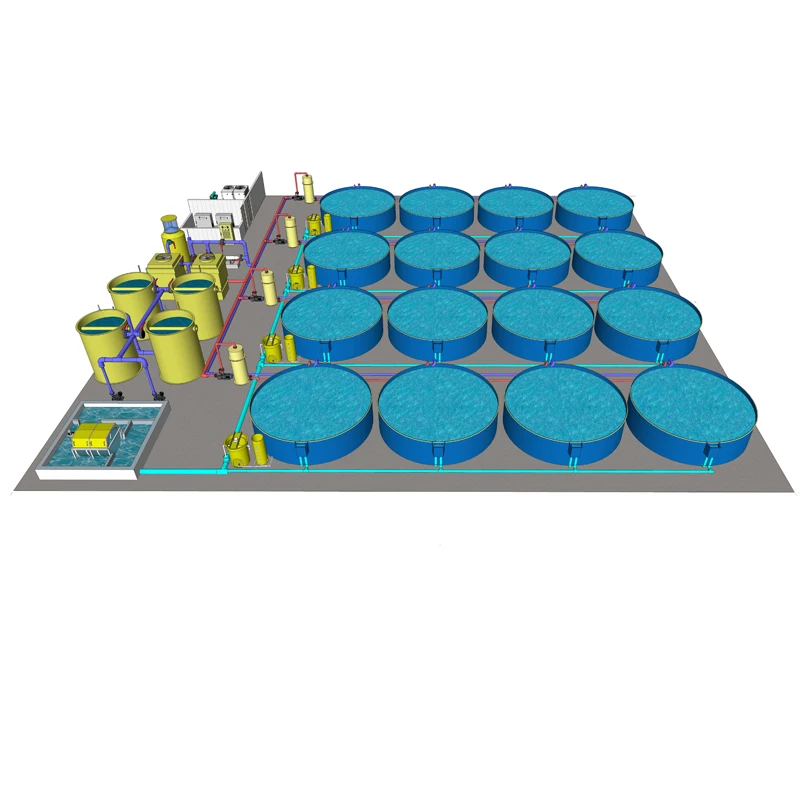
eWater is making waves in the world of aquaculture by using a smart system called High-Density RAS Aquaculture. This method helps in growing fish and other aquatic animals in a way that is friendly to our planet. High-Density RAS stands for Recirculating Aquaculture Systems. It's a way to raise fish in a closed system where water is cleaned and reused. This means less water is wasted, and it also helps keep the environment safe. With the use of technology and smart practices, eWater is showing that we can produce food while taking care of our Earth.
How High-Density RAS Aquaculture Reduces Environmental Impact
High-Density RAS aquaculture has a big role in helping our planet. First, it uses way less water than traditional fish farming. In normal fish farms, a lot of water is lost to evaporation and pollution. But in RAS, the water is filtered and reused. This means we can grow more fish with less water, which is super important as droughts and water shortages become more common. Another cool thing about this method is that it helps reduce pollution. When fish are raised in open waters, their waste can harm other wildlife and plants. However, in a RAS system, waste is collected and treated. This keeps our rivers and oceans cleaner and safer for everyone.
Moreover, High-Density RAS allows us to grow fish in urban areas. This means fresh fish can be produced close to where people live, reducing the need to transport fish over long distances. Transportation can cause pollution and use a lot of fuel. When fish are raised nearby, it’s fresher and better for the environment. This system also allows us to control the conditions the fish live in. We can make sure the water is just right and that the fish are healthy. Healthy fish mean less disease and less need for antibiotics, which is good for our health too. By keeping the environment clean and reducing the resources we use, eWater shows that we can have a great food source without hurting our planet.
What Makes High-Density RAS Aquaculture a Sustainable Choice?
High-Density RAS Aquaculture is a smart choice for the future because it focuses on sustainability. Sustainability means using resources in a way that doesn’t harm the environment and can be maintained for a long time. One of the best things about RAS is that it can be done anywhere. Whether you are in a big city or a small town, fish can be raised efficiently. This flexibility makes it easier to provide fresh food to more people. It also means that fish farming can grow without taking up too much space or harming natural habitats.
Another point is that RAS systems can be designed to use renewable energy. This means they can run on solar or wind power, which is better for the Earth than fossil fuels. Less energy use means lower costs too, making it easier for farmers to succeed. With less impact on the environment and the ability to produce healthy food, High-Density RAS aquaculture system keeps communities strong and healthy.
Furthermore, eWater believes in educating people about the benefits of sustainable practices. By sharing knowledge and showing how to use RAS systems, we can inspire more farms to adopt this method. More farms using RAS means healthier oceans, cleaner water, and a brighter future for everyone. eWater is excited about continuing this journey and helping others see how we can grow food responsibly and sustainably, making our world a better place for future generations.
How to Maximize Profitability with High-Density RAS Aquaculture Systems
High-density RAS (Recirculating Aquaculture Systems) aquaculture can help farmers make more money while being friendly to the environment. First, let’s look at what high-density means. In simple terms, it means that many fish can be raised in a smaller space. This is great because it allows farmers to use less land and water. With eWater’s systems, farmers can keep fish in tanks that recycle water efficiently. This means less waste goes into rivers and lakes, which helps keep our natural water clean.
To make the most money from high-density RAS aquaculture, farmers need to know a few important things. First, it is essential to choose the right fish. Some fish grow quickly and can be sold for higher prices. For example, tilapia and catfish are popular choices because they are easy to raise and are loved by many people. Next, farmers should focus on keeping their fish healthy. Healthy fish grow faster and are more likely to survive. eWater provides tools to monitor water quality so that fish can live in the best conditions. Good water quality means fewer sick fish, which is good for business.
Another way to increase profits is by using technology. eWater offers smart systems that can help monitor feeding schedules and water quality. When farmers know exactly how much food their fish need, they can save money and reduce waste. Finally, marketing is very important. Farmers should tell people about their fresh, locally raised fish. They can sell fish directly to restaurants or at farmers' markets. When customers know they are buying from local farmers who use high-density RAS water system, they are more likely to buy. This can help farmers earn even more money.
Where to Source Affordable High-Density RAS Aquaculture Solutions
Finding affordable high-density RAS aquaculture solutions is crucial for farmers who want to start or improve their fish farming business. One of the best places to start is online. Many companies, including eWater, offer a variety of systems and equipment that can be bought directly from their websites. When shopping online, it is important to compare prices and read reviews. This way, farmers can find the best deals and see what other users think about the products.
Local agricultural fairs and fish farming expos are also great places to find affordable solutions. These events often have many suppliers showcasing their products. Farmers can ask questions and learn more about how different systems work. This is a chance to see the equipment in action and find out if it will fit their needs. Additionally, networking with other fish farmers can provide valuable tips on where to find the best deals. They can share their experiences and recommend suppliers they trust.
Another option is to look for used equipment. Sometimes, farmers want to sell their old systems to upgrade or expand their operations. Buying used equipment can save a lot of money. eWater often has programs that help connect buyers and sellers in the aquaculture community. Finally, checking out government grants or loans for fish farming can help farmers afford new systems. Many governments support sustainable farming practices, and they might offer financial help to get started.
What Are Common Challenges in High-Density RAS Aquaculture and How to Overcome Them?
Even though high-density RAS recirculating aquaculture system has many benefits, there are also challenges that farmers may face. One common problem is keeping the water clean. In a high-density system, many fish are living in a small space, which can lead to waste buildup. If the water quality is poor, fish can get sick or die. To fix this problem, farmers can use eWater’s advanced filtration systems. These systems help remove waste and keep the water clean, making sure the fish stay healthy.
Another challenge is the cost of energy. High-density RAS systems need pumps and filters that use electricity. If the energy bills are too high, it can hurt profits. To overcome this, farmers can look for energy-efficient equipment. eWater offers systems designed to use less energy while still keeping fish healthy. Investing in solar panels can also help lower energy costs in the long run.
Lastly, farmers may struggle with knowing how to properly care for their fish. Each fish species has different needs for food, water temperature, and space. To overcome this challenge, it’s important to learn as much as possible. eWater provides training and resources that can help farmers understand how to best care for their fish. Joining online forums or local farming groups can also provide support and information from other farmers.
while there are challenges in high-density RAS aquaculture, they can be managed with the right tools and knowledge. By using eWater’s systems and resources, farmers can create a successful fish farming operation that benefits both their business and the environment.
Table of Contents
- How High-Density RAS Aquaculture Reduces Environmental Impact
- What Makes High-Density RAS Aquaculture a Sustainable Choice?
- How to Maximize Profitability with High-Density RAS Aquaculture Systems
- Where to Source Affordable High-Density RAS Aquaculture Solutions
- What Are Common Challenges in High-Density RAS Aquaculture and How to Overcome Them?