
 EN
EN
 AR
AR
 BG
BG
 HR
HR
 CS
CS
 DA
DA
 NL
NL
 FI
FI
 FR
FR
 DE
DE
 EL
EL
 HI
HI
 IT
IT
 JA
JA
 KO
KO
 NO
NO
 PL
PL
 PT
PT
 RO
RO
 RU
RU
 ES
ES
 SV
SV
 TL
TL
 IW
IW
 ID
ID
 SR
SR
 UK
UK
 VI
VI
 HU
HU
 TH
TH
 TR
TR
 AF
AF
 BN
BN
 LO
LO
 LA
LA
 MY
MY
 UZ
UZ

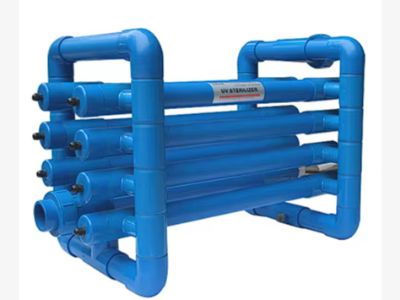
In the world of fish farming, keeping fish healthy is super important. One way to do this is through modern recirculating aquaculture systems, or RAS for short. These systems use advanced technology to clean and filter the water that fish live in. Good water quality helps fish grow strong and stay safe from diseases. eWater is a company that specializes in creating filtration systems for aquaculture. Their systems make sure that fish have the best environment possible to thrive. This article will explain how RAS helps fish health and which filtration techniques are essential for keeping the water clean and healthy.
How Modern Recirculating Aquaculture Systems Enhance Fish Health
Modern recirculating aquaculture systems are designed to keep fish healthy by cleaning the water they swim in. In these systems, water is recycled, which means it is used over and over again. This is different from traditional fish farming, where water is often changed out completely. With RAS, the water goes through filters that remove waste and harmful substances. When the water is clean, fish are less likely to get sick. Healthy fish also grow faster and produce more. For example, if a fish tank has dirty water, fish might get stressed or ill. But with a good RAS, fish can live in a stable and clean environment. eWater’s systems help maintain the right balance of oxygen, pH, and temperature in the water, which is crucial for fish survival. When fish are happy and healthy, they can swim freely and eat well. A well-maintained system can also reduce the need for antibiotics and other chemicals, making it safer for the fish and better for people who eat them. In addition, when fish are kept in optimal conditions, recirculating aquaculture systems produce higher quality meat, which is good for business. So, RAS not only benefits the fish but also helps fish farmers have better success.
What Fish Filtration Techniques Are Essential for Optimal Aquaculture?
To make sure fish are healthy, it is important to use the right filtration techniques in aquaculture. One common method is mechanical filtration. Sustainable Aquaculture technique removes larger particles from the water, like fish waste and leftover food. Another method is biological filtration. This uses good bacteria to break down harmful substances like ammonia, which can be toxic to fish. eWater uses both mechanical and biological filtration in their systems to keep the water clean. There are also chemical filtration techniques that can help remove specific toxins from the water. For example, activated carbon can be used to eliminate odors and chemicals. It is very effective in keeping the water safe and fresh for the fish. Regular maintenance of these filters is key. If the filters get clogged or dirty, they won’t work properly. Fish farms must regularly check and clean their filtration systems to ensure they are operating at their best. Additionally, monitoring the water quality is essential. Farmers should test the water frequently to check for levels of ammonia, nitrite, nitrate, and pH. This helps fish farmers know when to clean or change filters. By using these techniques, fish can live in a safe and healthy environment, and fish farmers can have a successful operation.
How Effective Filtration Systems Improve Fish Survival Rates in Aquaculture
In aquaculture, which is the farming of fish and other water animals, keeping fish healthy is very important. One way to do this is through effective filtration systems. These systems clean the water where fish live. Clean water means healthier fish! Fish need clean water to breathe and grow. If the water is dirty, it can make fish sick or even lead to their death. Filtration systems help by removing waste, leftover food, and harmful chemicals from the water. This makes sure that the fish have a safe place to live. For example, in a modern recirculating aquaculture system (or RAS), water is constantly cleaned and reused. This means less water is needed, which is better for the environment. eWater’s filtration systems are designed to work well in RAS. They help keep the water clear and safe. When fish are in clean water, they are less stressed. Less stress means they can grow faster and stay healthier. Studies show that fish in well-filtered water have higher survival rates than those in dirty water. This means that farmers can raise more fish and have better success. Loop Water Systems is not just about keeping fish alive; it is also about helping them grow strong and healthy. The right filtration system can make a big difference. By using advanced technology, eWater ensures that fish farmers have the best tools to keep their fish safe. This way, fish can thrive in their environment, and farmers can be successful in their work.
How to Choose the Best Filtration System for Your Recirculating Aquaculture Needs
Choosing the right filtration system for your fish farm can feel overwhelming, but it doesn’t have to be! First, it’s important to think about what type of fish you want to raise. Different fish have different needs when it comes to water quality. Some fish prefer warmer water, while others like it cooler. Understanding the specific needs of your fish will help you find the best filtration system. Next, look at the size of your fish farm. A small farm may need a different system than a large one. eWater offers a variety of filtration systems that can fit different sizes of aquaculture operations. It’s also important to consider how much waste your fish produce. If you have a lot of fish in a small space, you will need a stronger filtration system to keep the water clean. When looking at filtration systems, pay attention to their features. Some systems have special filters that can remove tiny particles from the water, while others might focus on getting rid of harmful chemicals. Make sure to choose a system that fits your specific needs. Don’t forget to think about maintenance. Some systems are easier to clean and maintain than others. eWater’s systems are designed to be user-friendly, so you can spend more time caring for your fish and less time worrying about your equipment. Lastly, consider your budget. There are many options available, so look for a filtration system that gives you good quality without breaking the bank. With careful thought and planning, you can choose the best filtration system to keep your fish healthy and happy.
Where to Source High-Quality Filtration Solutions for Fish Protection
When it comes to finding the right filtration solutions for your fish farm, it is important to look for high-quality options. One great place to start is by checking with trusted suppliers who specialize in aquaculture. These suppliers often have the knowledge and experience to help you find the best products for your needs. eWater is known for providing top-notch filtration systems that are designed to protect fish and keep water clean. You can visit their website to explore their products and learn more about their features. They have a team of experts who can answer any questions you may have. Another option is to attend aquaculture trade shows or events. These events are a great way to see different products in action and meet representatives from various companies. You can learn about the latest technology in filtration and how it can benefit your fish farm. Additionally, networking with other fish farmers can provide you with valuable recommendations. They can share their experiences and suggest filtration solutions that have worked well for them. Online reviews can also be helpful. Look for feedback from other customers who have used the products you are considering. This can give you insight into the reliability and effectiveness of the filtration systems. Finally, consider reaching out to local agricultural extension services. They often have resources and information about where to find high-quality equipment for aquaculture. By doing your research and exploring different options, you can find the best filtration solutions to keep your fish safe and healthy. With eWater’s commitment to quality, you can trust that you are making a smart choice for your aquaculture needs.
Table of Contents
- How Modern Recirculating Aquaculture Systems Enhance Fish Health
- What Fish Filtration Techniques Are Essential for Optimal Aquaculture?
- How Effective Filtration Systems Improve Fish Survival Rates in Aquaculture
- How to Choose the Best Filtration System for Your Recirculating Aquaculture Needs
- Where to Source High-Quality Filtration Solutions for Fish Protection