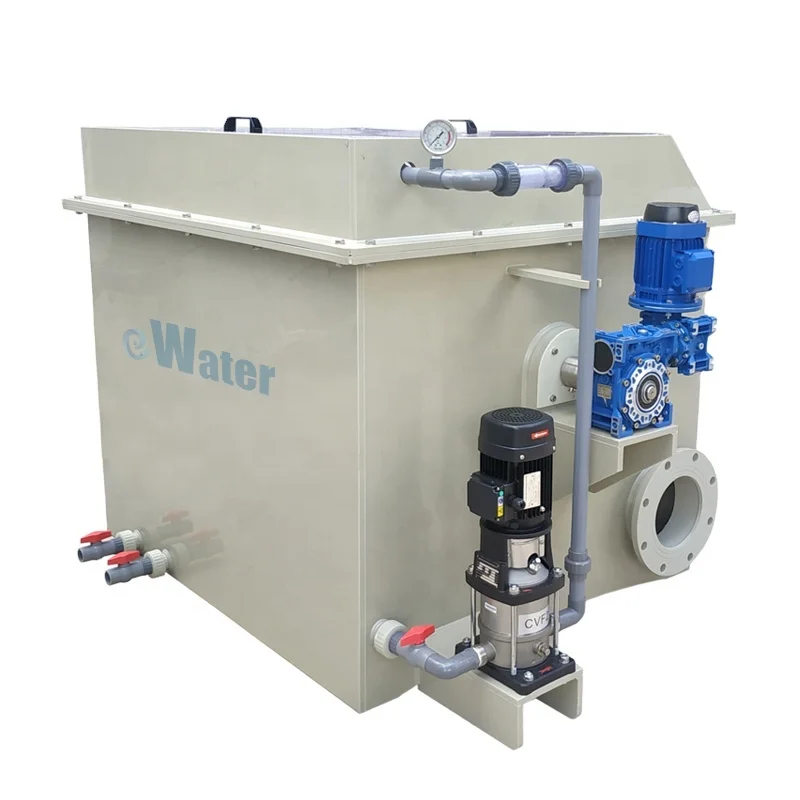
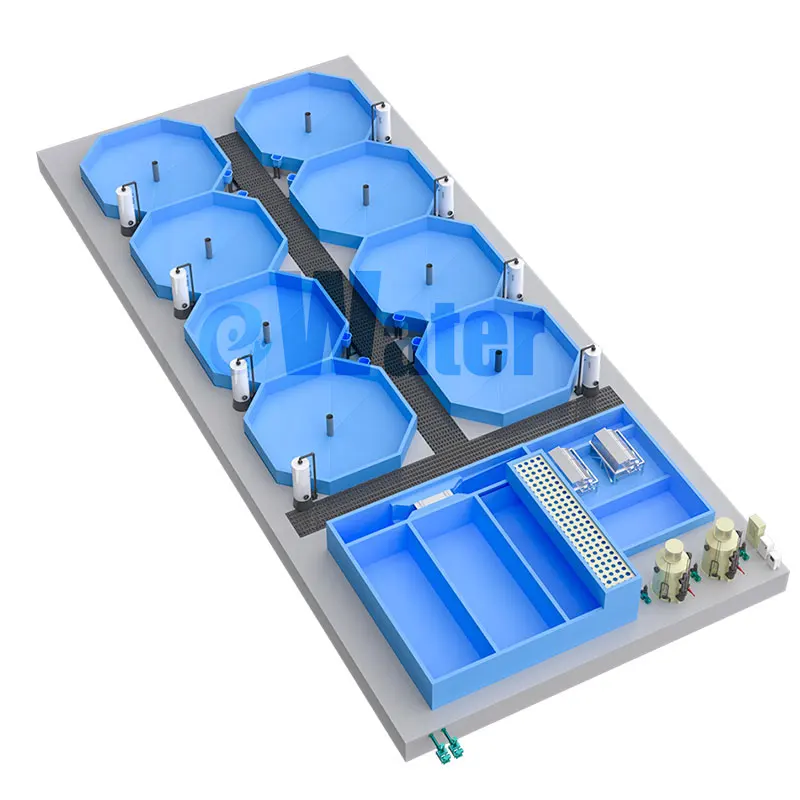
Setting up a shrimp breeding area can be a fun and rewarding project. Shrimp are popular pets and can be a great addition to your aquarium. With the right setup, you can create a thriving environment for them to grow and breed. Whether you are new to shrimp breeding or have some experience, having the right equipment and knowing how to solve common problems will help you succeed. Our company, eWater, provides high-quality fish breeding equipment designed to make shrimp breeding easier and more enjoyable. Let’s dive into how to set up your shrimp breeding space, where to find the best equipment, and how to troubleshoot any issues you might face.
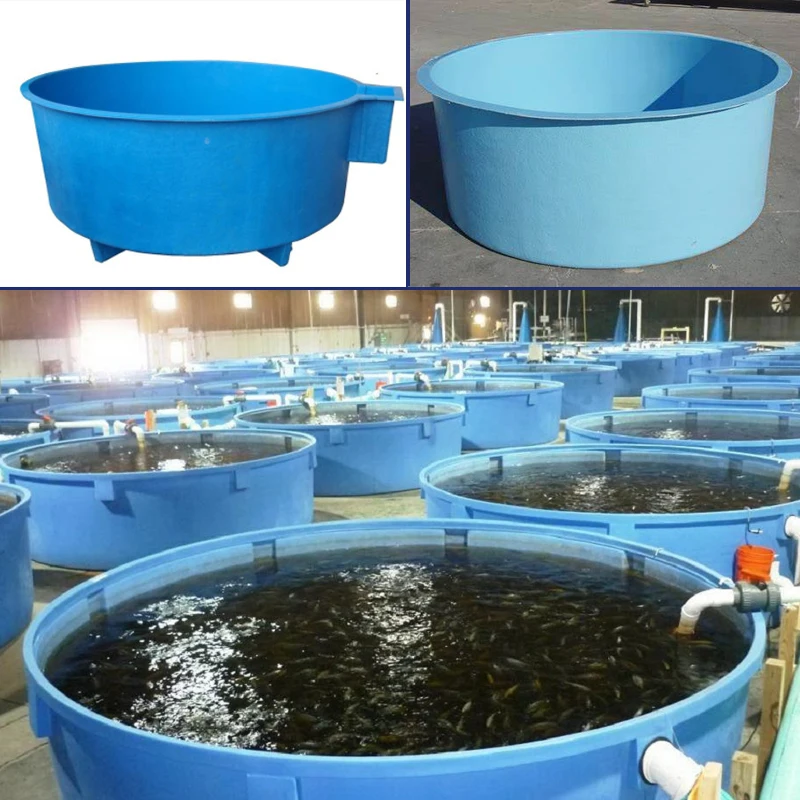
Finding the right equipment is key for a successful shrimp breeding setup. You can start by checking local pet stores; they often have a section for aquariums and shrimp supplies. Look for tanks that are at least 10 gallons, as smaller tanks can be harder to maintain. Some stores also sell shrimp-specific food and water conditioners that help keep the water clean and safe. If you want more options, shopping online can be a great choice. Websites dedicated to aquarium supplies have a wide variety of tanks, filters, and decorations. You can find things like sponge filters, which are gentle on shrimp, and LED lights that make your tank look really nice. eWater offers various products that are perfect for shrimp breeding. Our indoor shrimp farming equipment is made to last and is user-friendly. When buying equipment, check for reviews and ratings to see what other shrimp breeders think about it. You might also want to join online forums or social media groups where shrimp lovers share their experiences. They often have tips on where to find the best equipment and might even sell or trade items. Don’t forget to ask questions if you’re unsure about something; most people are happy to help newcomers. Remember, the right setup will help your shrimp breed successfully and keep them healthy.
Sometimes, things might not go as planned when you’re breeding shrimp. It’s important to know how to fix common issues. One problem you might notice is that your shrimp are not breeding. This could be because the water temperature is too low or too high. Shrimp like warm water, usually between 72°F and 78°F. If the water is too cold, you can use a heater to warm it up. Another common issue is water quality. If the water is dirty, shrimp can get sick. Make sure to do regular water changes, about 10-20% of the water once a week is good. You can test the water with strips that check for ammonia and nitrite levels. If you see high levels, it’s a sign that something is wrong. You might need to get a filter that works better for your tank. Sometimes, you might see your shrimp acting strangely, like hiding too much or not eating. This could mean they are stressed. Stress can come from loud noises, other tank mates, or even bright lights. Try to create a calm and peaceful environment for them. Adding plants can help too, as they provide hiding spots and make shrimp feel more secure. If you notice any dead shrimp, remove them immediately, as they can pollute the water. Keeping an eye on your shrimp and the tank conditions will help you catch problems early. Remember, every shrimp breeder faces challenges; learning how to solve them is part of the fun!
Maintaining water quality is very important for shrimp farms. Shrimp are sensitive creatures, and they need clean water to live and grow well. One of the best practices is to regularly test the water. You can use simple tools to check the levels of ammonia, nitrites, and nitrates. High levels of these chemicals can harm shrimp, so it’s best to keep them low. Another important factor is the temperature of the water. Shrimp thrive in warm water, but not too hot! The ideal temperature is usually between 75°F and 85°F. You can use heaters or chillers to keep the water at the right temperature. Oxygen is also vital for shrimp. They need oxygen to breathe, just like we do. You can use air pumps and aerators to add oxygen to the water. This helps keep the shrimp healthy. It’s also important to change some of the water regularly. Doing this helps remove waste and keeps the water clean. eWater has great tools and breeding freshwater shrimp systems that make checking and changing water easy. You should also keep an eye on the pH level of the water. The pH scale goes from 0 to 14, and shrimp like their water to be around 7 to 8. If the water is too acidic or too basic, it can stress the shrimp. Adding natural substances like crushed coral can help balance the pH. Lastly, make sure to clean the tanks and equipment often. This prevents harmful bacteria from growing. By following these best practices for water quality, shrimp farmers can ensure their shrimp grow healthy and strong.
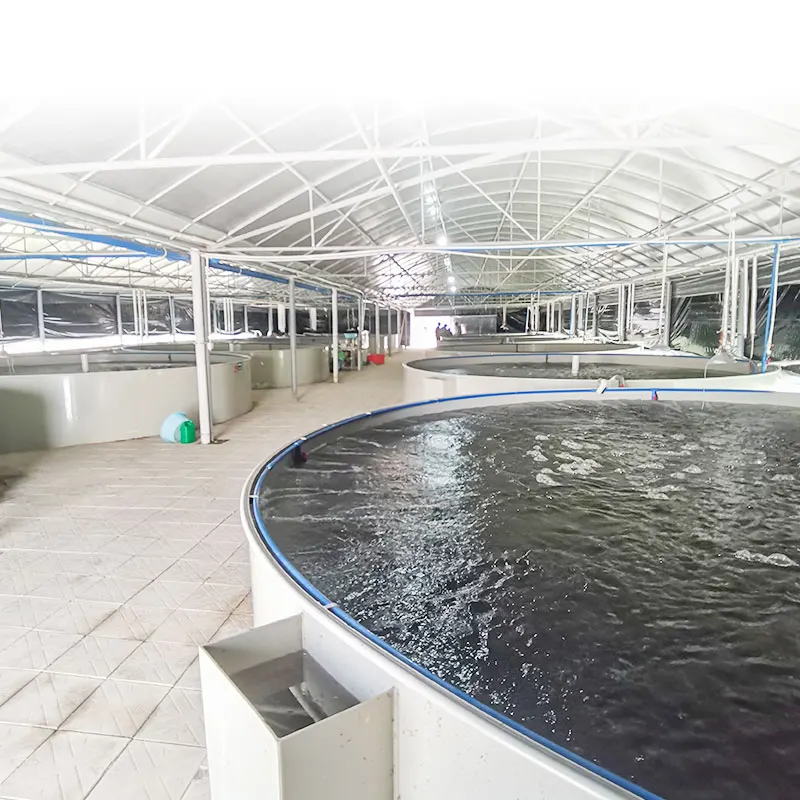
Scaling your shrimp breeding setup means making it bigger and better for more shrimp. First, you need to look at your current setup and see what works well. If you are using small tanks, you might want to switch to larger ones or even build a bigger facility. Larger tanks can hold more shrimp and make it easier to manage water quality. You should also consider adding more tanks. This allows for different stages of shrimp growth. Young shrimp need different care than adult shrimp. By having separate tanks, you can give each group the right conditions. Another way to scale up is to use good technology. eWater has smart systems that help you monitor and control water quality easily. Using technology means you can spend less time checking the water and more time growing shrimp. You might also think about getting more staff. If you have more people, they can help with feeding, cleaning, and monitoring the shrimp. Finally, don’t forget to consider the market. Before you scale up, make sure there are enough customers for your shrimp. Check local restaurants, grocery stores, and markets to see if they want more shrimp. If they do, it’s a good sign that you can grow your business. Scaling your shrimp breeding setup takes planning, but with the right steps, you can increase production and make more profit.
send water drum filter customers' location support installation qualifications on-site. create RAS detail-oriented prints overseas customers ensure building's basic design prepared develop practical plans, including timelines labour requirements prior installation.
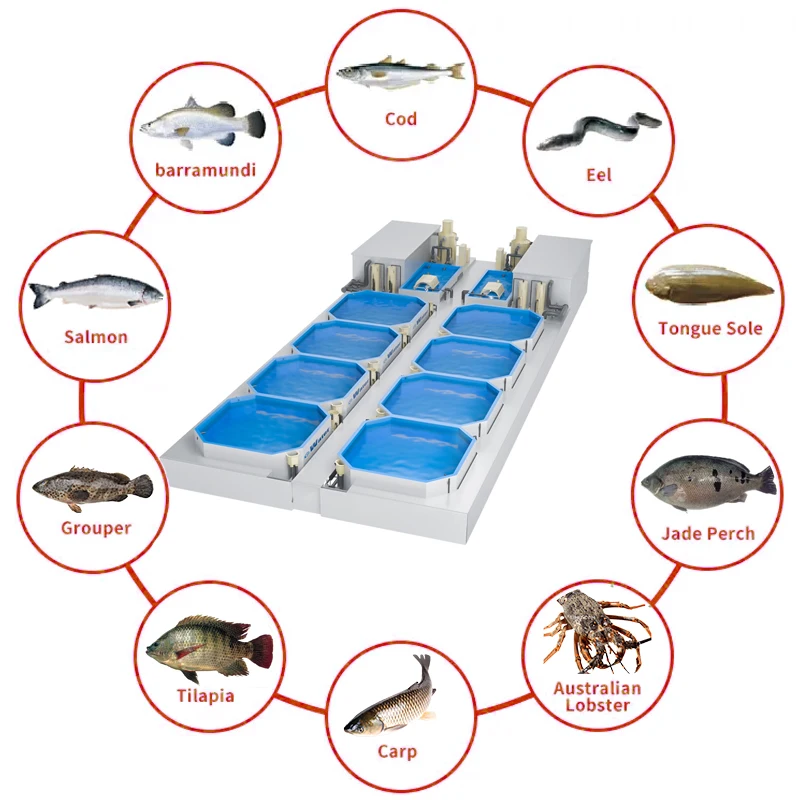
eWater top supplier aquaculture, specializing Recirculating aquaculture systems, collaborates customers Tilapia ras system most suitable solution requirements.
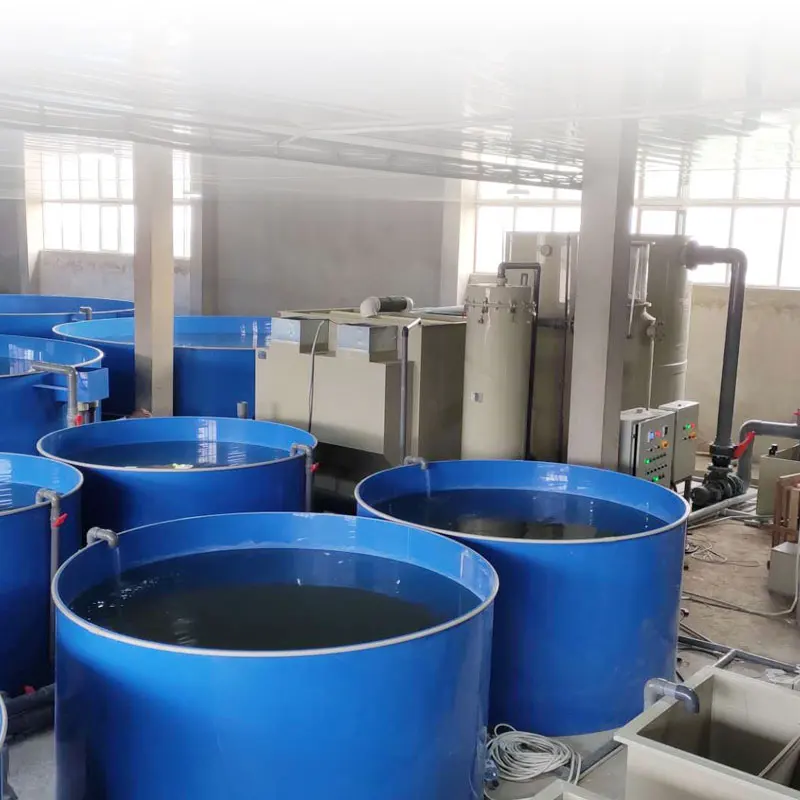
eWater manufactures majority RAS equipment. 2018, developed Gen-3 rotary drum filters, Tilapia ras system proteins skimmers, Gen-3 oxygenation. We offer 3 year guarantee committed providing product-lifequality technical support. Since 2016, we been ISO/CE certified.
eWater continuously seeking innovatives RAS strategies Tools and equipment used in aquacultures energy consumptions betters productivity. We've succeeded delivering 400 RAS globally Tools and equipment used in aquaculture 2022.
Our professional sales team are waiting for your consultation.

 EN
EN
 AR
AR
 BG
BG
 HR
HR
 CS
CS
 DA
DA
 NL
NL
 FI
FI
 FR
FR
 DE
DE
 EL
EL
 HI
HI
 IT
IT
 JA
JA
 KO
KO
 NO
NO
 PL
PL
 PT
PT
 RO
RO
 RU
RU
 ES
ES
 SV
SV
 TL
TL
 IW
IW
 ID
ID
 SR
SR
 UK
UK
 VI
VI
 HU
HU
 TH
TH
 TR
TR
 AF
AF
 BN
BN
 LO
LO
 LA
LA
 MY
MY
 UZ
UZ