
 EN
EN
 AR
AR
 BG
BG
 HR
HR
 CS
CS
 DA
DA
 NL
NL
 FI
FI
 FR
FR
 DE
DE
 EL
EL
 HI
HI
 IT
IT
 JA
JA
 KO
KO
 NO
NO
 PL
PL
 PT
PT
 RO
RO
 RU
RU
 ES
ES
 SV
SV
 TL
TL
 IW
IW
 ID
ID
 SR
SR
 UK
UK
 VI
VI
 HU
HU
 TH
TH
 TR
TR
 AF
AF
 BN
BN
 LO
LO
 LA
LA
 MY
MY
 UZ
UZ

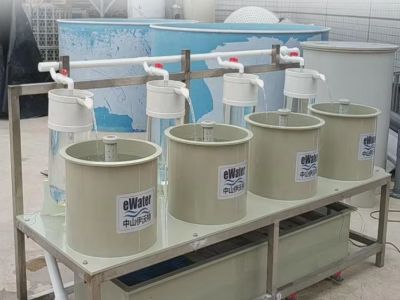
Closed-loop recirculating aquaculture systems are a special way to farm fish and other seafood. This system is designed to keep fish healthy and safe from diseases. At eWater, we focus on using this advanced technology to create a clean and controlled environment for our aquatic life. By recycling water and maintaining proper conditions, we can ensure that our fish grow strong and resist harmful germs. This article will talk about how closed-loop systems protect fish from sickness and what benefits they bring to buyers
How Closed-Loop Recirculating Aquaculture Protects Against Pathogens
Closed-loop Recirculating aquaculture systems are like a big fish tank that recycles the water. The water is filtered and cleaned before it goes back to the fish. This means that harmful bacteria and viruses, called pathogens, have a harder time getting into the water. When fish are in a clean environment, they are less likely to get sick. For example, if there is a disease in the water, the system can quickly remove it, making sure the fish stay healthy. In a closed-loop system, we also control the temperature and oxygen levels. Fish need the right amount of oxygen to breathe and stay active. If the water is too warm or too cold, it can stress the fish and make them more vulnerable to illnesses. With closed-loop systems, we can adjust these factors easily. This helps to keep the fish calm and strong. Another important feature is that these systems can keep track of the fish's health. Sensors can monitor how the fish are doing, and if something is wrong, we can act quickly. For instance, if a fish shows signs of illness, we can treat it without affecting the whole tank. This is much better than traditional fish farming, where a disease can spread quickly. Finally, because the water is reused, there is less waste. Waste can create a breeding ground for germs, but in a closed-loop system, we manage the waste better. With proper filtration and regular maintenance, we keep the water clean and safe. This is a win-win situation for fish and farmers alike
What Are the Benefits of Closed-Loop Aquaculture Systems for Wholesale Buyers
Wholesale buyers benefit greatly from closed-loop aquaculture systems. First, the fish produced in these systems are usually healthier and more robust. When buyers get healthy fish, they can trust that their products will meet high standards. This helps them keep customers happy and coming back for more. Moreover, the consistent quality of fish means that buyers can plan better. With traditional fish farming, the quality can change from one batch to another. But with closed-loop systems, the quality stays the same. Buyers can expect the same taste and texture every time. This makes it easier for restaurants and grocery stores to sell their products. Another benefit is that closed-loop aquaculture is often more sustainable. Because the systems recycle water and manage waste well, they have a smaller impact on the environment. This is important for buyers who want to support eco-friendly practices. Many consumers today care about where their food comes from. By choosing fish from closed-loop systems, buyers can show that they care about sustainability, which can attract more customers. Lastly, closed-loop systems can offer more flexibility in production. If demand for fish increases, farmers can adjust their systems to produce more fish without harming the current stock. This means that wholesale buyers are less likely to face shortages. In summary, closed-loop recirculating aquaculture system equipment provides a safe environment for fish while offering numerous benefits for wholesale buyers. At eWater, we are proud to be part of this innovative approach to seafood farming, ensuring that both fish and customers thrive
What Wholesale Buyers Need to Know About Pathogen Control in Aquaculture
When it comes to buying fish and seafood, wholesale buyers need to think about how to keep the fish healthy. One big problem in fish farming is pathogens, which are tiny germs that can make fish sick. These germs can come from many places, like the water, the food the fish eat, or even from other sick fish. If a fish gets sick, not only does it affect that one fish, but it can also spread to other fish on the same farm. This can lead to a lot of fish getting sick or even dying, which is bad for business. That's why controlling these pathogens is super important. eWater helps in this area by using closed-loop systems. These systems keep the water clean and help protect the fish from germs. For wholesale buyers, it's really important to ask about how the fish were raised and what steps were taken to keep them healthy. Buyers should look for farms that use advanced methods like closed-loop systems. These systems recycle the water, which means it gets cleaned and reused instead of being thrown away. This not only keeps the fish healthy but also helps the environment. When buyers know about pathogen control, they can make better choices about the seafood they are buying. Healthy fish mean better quality products for their customers, which is good for business
How Closed-Loop Systems Enhance Fish Health and Reduce Disease Risks
Closed-loop systems are like a special circle for fish farming. In these systems, water is constantly cleaned and reused. This means the fish are swimming in clean water all the time, which is very good for their health. When fish are in clean water, they are less likely to get sick. In a closed-loop system, harmful germs and pathogens are filtered out, so they don’t have a chance to make the fish sick. eWater uses this technology to ensure that the fish are always in the best environment. These systems also help in controlling water temperature and oxygen levels, which are very important for fish health. When fish are happy and healthy, they grow better and faster. This means that farmers can produce more fish in a shorter time. Plus, when fish are healthy, they taste better. This is something that buyers should keep in mind when looking for quality seafood. Another great thing about closed-loop systems is that they use less water than traditional fish farms. This is really important because it helps to save our planet’s precious water resources. By choosing fish from farms that use closed-loop systems, buyers are not only getting healthy fish but are also supporting a greener way of farming. This is a win-win situation for everyone involved
What Makes Closed-Loop Aquaculture the Future of Sustainable Seafood
The future of seafood looks bright with closed-loop aquaculture. This way of farming fish is not only good for the fish but also good for our planet. In a world where we are worried about overfishing and pollution, closed-loop systems offer a smart solution. eWater is leading the way in making this kind of fish farming popular. With closed-loop systems, we can produce a lot of fish without harming the environment. These systems use technology to clean the water and recycle it, which means we do not waste water. This is especially important in places where water is scarce. Plus, since the fish are healthier, they don’t need as many antibiotics or other chemicals to stay safe from diseases. This means the seafood is cleaner and safer to eat. People are starting to care more about where their food comes from, and they want to know it is raised in a responsible way. Closed-loop aquaculture fits this need perfectly. It allows us to enjoy fish and seafood while also protecting our oceans and rivers. As more people learn about the benefits of this method, it is likely to become the main way we grow seafood in the future. For wholesale buyers, this means that by choosing to work with farms that use closed-loop systems, they are supporting a sustainable future and providing their customers with healthy, delicious fish.
Table of Contents
- How Closed-Loop Recirculating Aquaculture Protects Against Pathogens
- What Are the Benefits of Closed-Loop Aquaculture Systems for Wholesale Buyers
- What Wholesale Buyers Need to Know About Pathogen Control in Aquaculture
- How Closed-Loop Systems Enhance Fish Health and Reduce Disease Risks
- What Makes Closed-Loop Aquaculture the Future of Sustainable Seafood