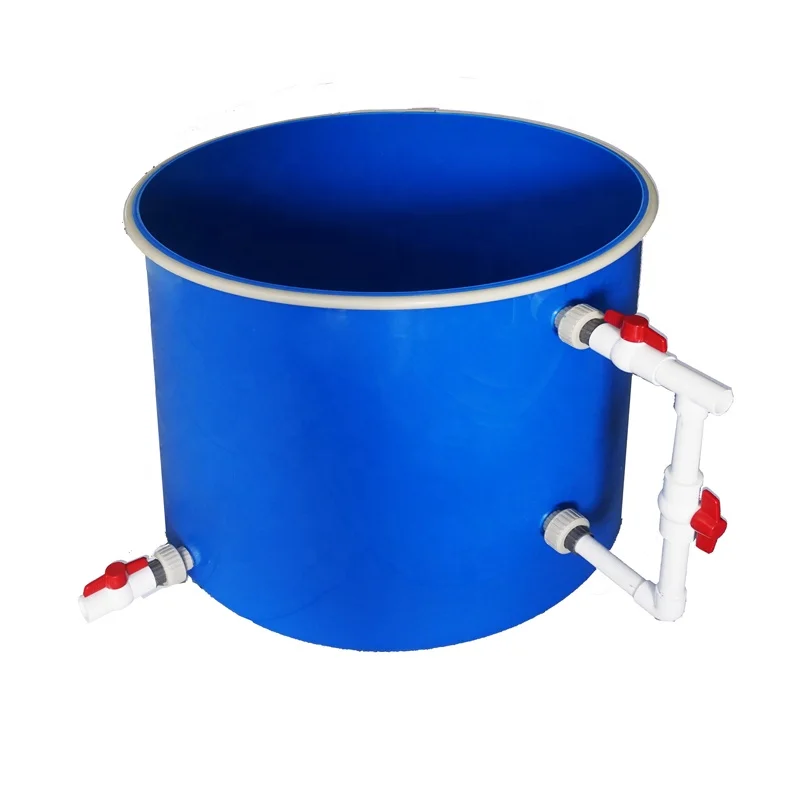
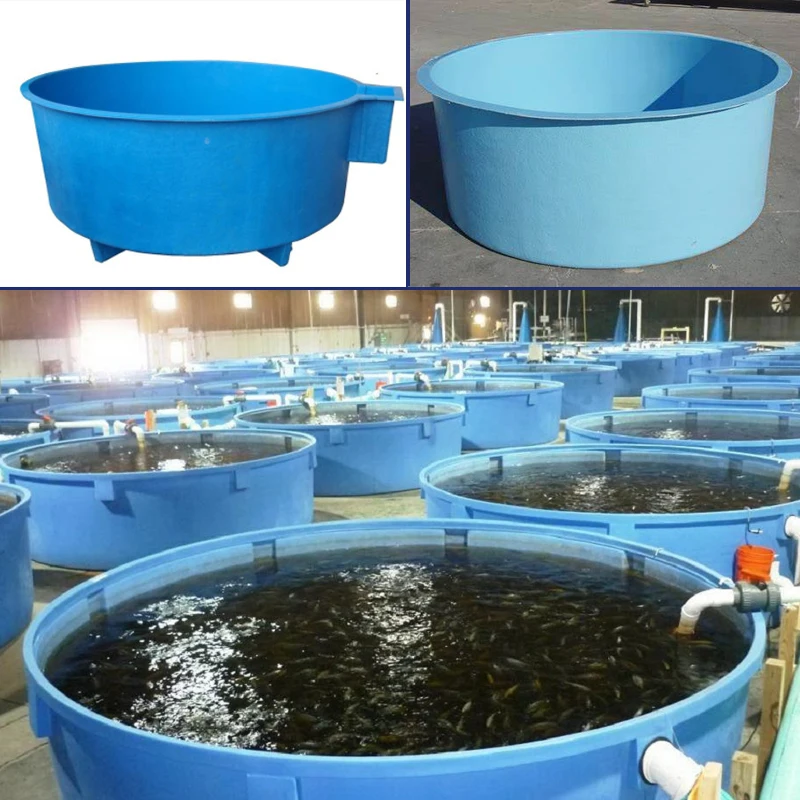
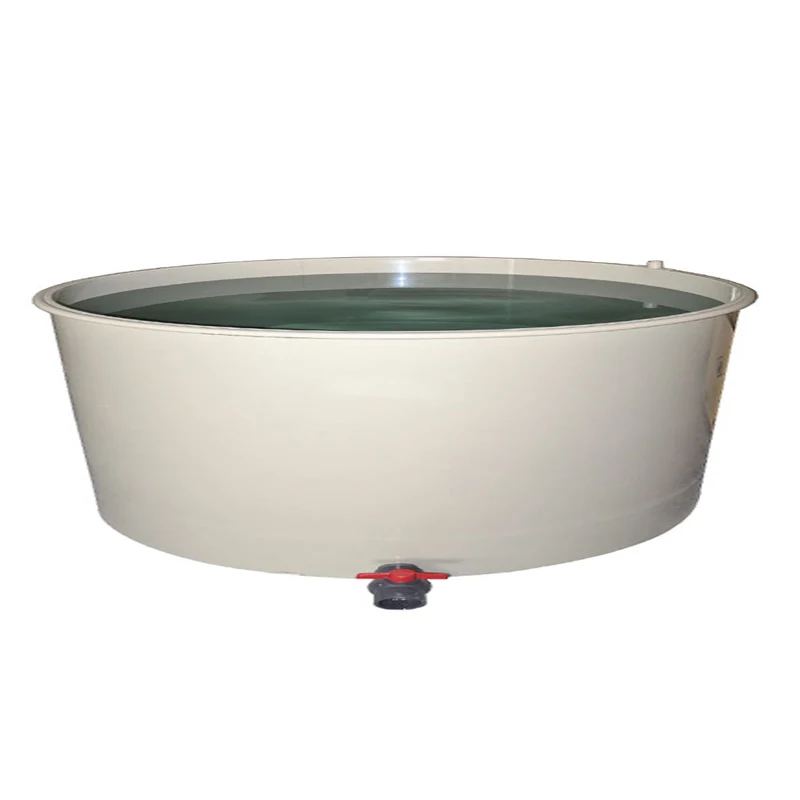
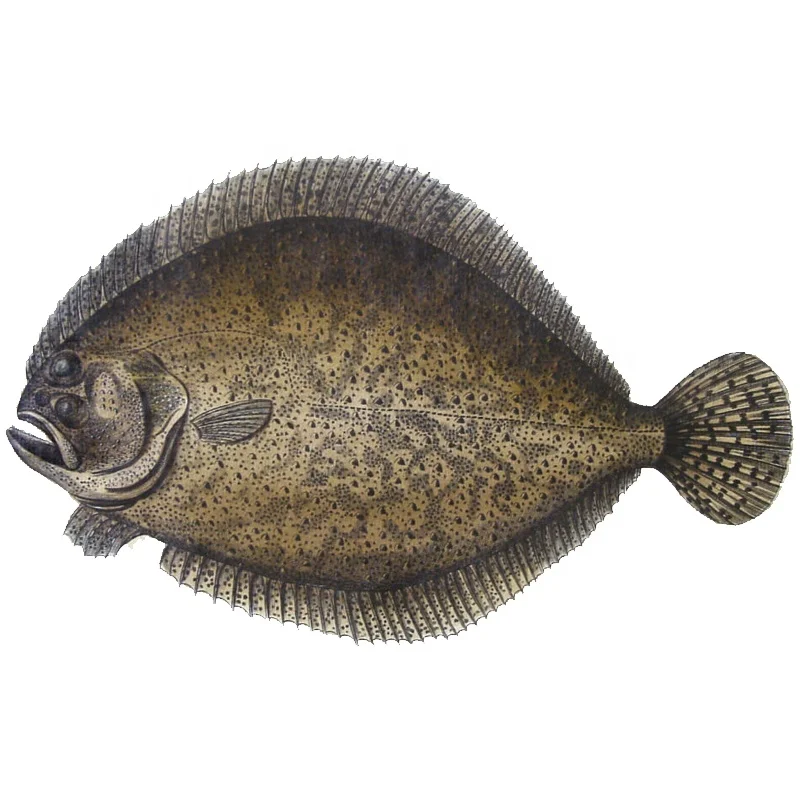
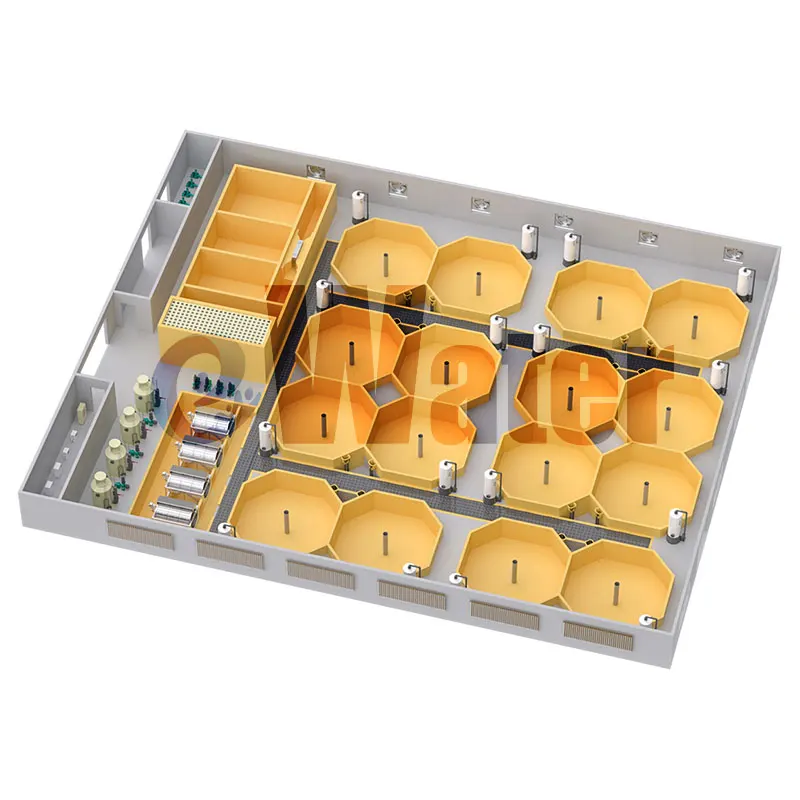
In the world of fish farming, a pisciculture tank is a special space where fish can grow and thrive. These tanks are designed to hold water and provide a safe environment for fish. Farmers use these tanks to raise different types of fish, like tilapia or catfish. This method of farming is important because it helps provide food for many people. eWater makes high-quality pisciculture tanks that support fish farming, helping farmers create a better habitat for their fish. Using a pisciculture can make fish farming more efficient and sustainable, which is good for both the farmers and the environment.
What are the Benefits of Using Pisciculture Tanks for Fish Farming? Pisciculture tanks have many benefits, especially for fish farmers. First, they help control the environment for the fish. In a tank, the water temperature, oxygen levels, and food can be managed better than in open water. This means fish can grow faster and healthier. For example, if a farmer is raising fish in a tank, they can easily add oxygen to the water or change the temperature if it gets too hot or too cold. Tanks also protect fish from predators like birds or other fish that might eat them. Another big benefit is space. Tanks can be built anywhere, even in places where there isn't a lot of water. This means farmers can grow fish in urban areas or places where traditional fishing isn't possible. eWater’s tanks are specially designed to maximize space and efficiency. Moreover, these tanks can also help reduce waste because the water can be filtered and reused. This is better for the environment and can save money for farmers too. In addition, farmers can keep an eye on how many fish they have, making it easier to know when to sell them. Overall, using pisciculture tanks makes fish farming more reliable and productive.
What Makes Pisciculture Tanks Essential for Sustainable Fish Farming? Pisciculture tanks are crucial for sustainable fish farming. They allow farmers to produce fish without harming the environment. By keeping fish in tanks, farmers can reduce overfishing in oceans and rivers. This helps keep fish populations healthy in the wild. Our tanks are designed with sustainability in mind, using materials that are safe for the fish and the environment. In tanks, farmers can practice better water management. They can recycle water and reduce the amount needed from natural sources. This is important, especially in areas where water is scarce. Using tanks also means less reliance on wild fish for feed, as farmers can create balanced diets for their fish. This leads to healthier fish and less impact on ocean ecosystems. Additionally, pisciculture equipment can be part of an integrated farming system. For example, fish can be raised alongside plants in a method called aquaponics. This creates a symbiotic relationship where fish waste helps plants grow, and plants clean the water for the fish. By using pisciculture tanks, farmers can grow food in a way that is good for the planet, reducing their carbon footprint and conserving resources. In a world that needs more sustainable practices, pisciculture tanks are a key solution for the future of fish farming.
Pisciculture tanks are used to raise fish for food and other purposes. However, people often face problems when using these tanks. One common issue is that water quality can change quickly. Fish need clean water to live, and if the water gets dirty or too warm, the fish can get sick or even die. To solve this problem, it is important to regularly check the water. You can use special tools to test the water for things like pH, ammonia, and nitrite levels. If you find that the water is not good for the fish, you should clean the tank or add fresh water. Another common issue is the growth of algae. Algae are small plants that can grow in the tanks and take away the nutrients that fish need. If there is too much algae, it can make the water green and dirty. To reduce algae, you can add plants that compete with algae for space and nutrients. You can also control the amount of sunlight that reaches the tank by covering it or placing it in a shaded area. Additionally, sometimes fish can get stressed. Stress can happen if there are too many fish in one tank or if they are fighting. To prevent stress, make sure to give each fish enough space. Also, try to keep the tank environment calm and quiet. Keeping the tank clean and making sure there is enough food for the fish are also important. By paying close attention to these issues and taking action, you can help your fish thrive in their pisciculture tanks.
If you want to start a big fish farming business, you need to find good and affordable pisciculture tanks. One of the best places to look is online. Many websites sell large tanks at lower prices. You can compare different options easily. Make sure to read reviews from other customers to see if they are happy with their purchases. Another good option is to visit local farms or agricultural supply stores. Sometimes, these places sell tanks directly or can help you find a good deal. When you buy from local stores, you can save on shipping costs and see the tanks before buying. If you are planning to buy a lot of tanks, ask if the store offers discounts for bulk purchases. Many places will lower the price if you buy several tanks at once. You can also look for used tanks. Some people sell their old tanks when they stop farming fish. You can find these tanks online or in local classifieds. Just make sure the used tanks are in good condition and safe for the fish. Finally, consider contacting suppliers like our brand. They specialize in eWater pisciculture fish farming and can offer you good prices and advice. They can help you choose the right size and type of tank for your needs. With a little research, you can find affordable pisciculture tanks that meet your needs for a large-scale operation.
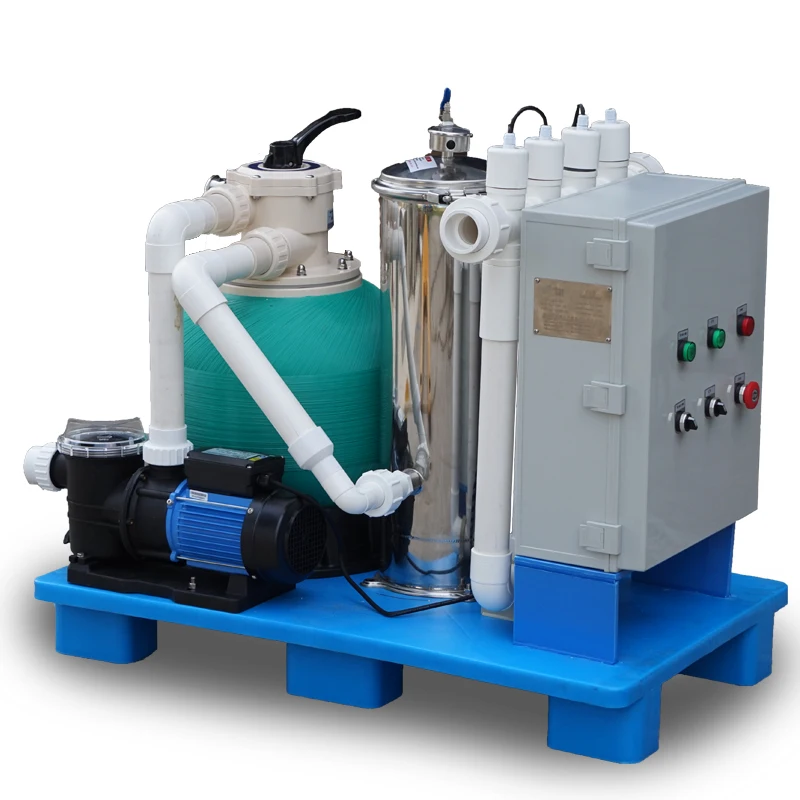
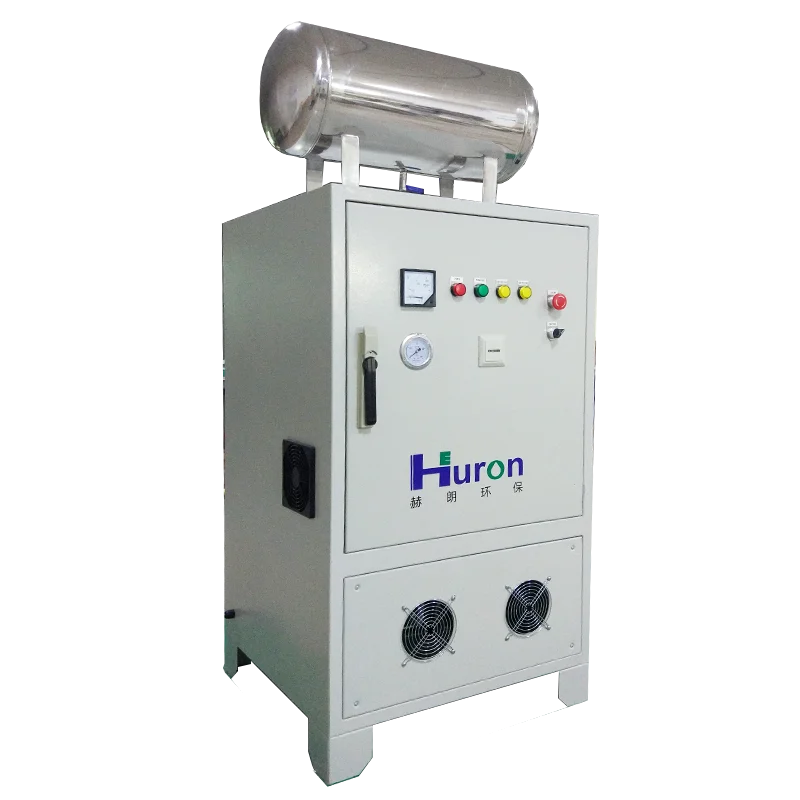
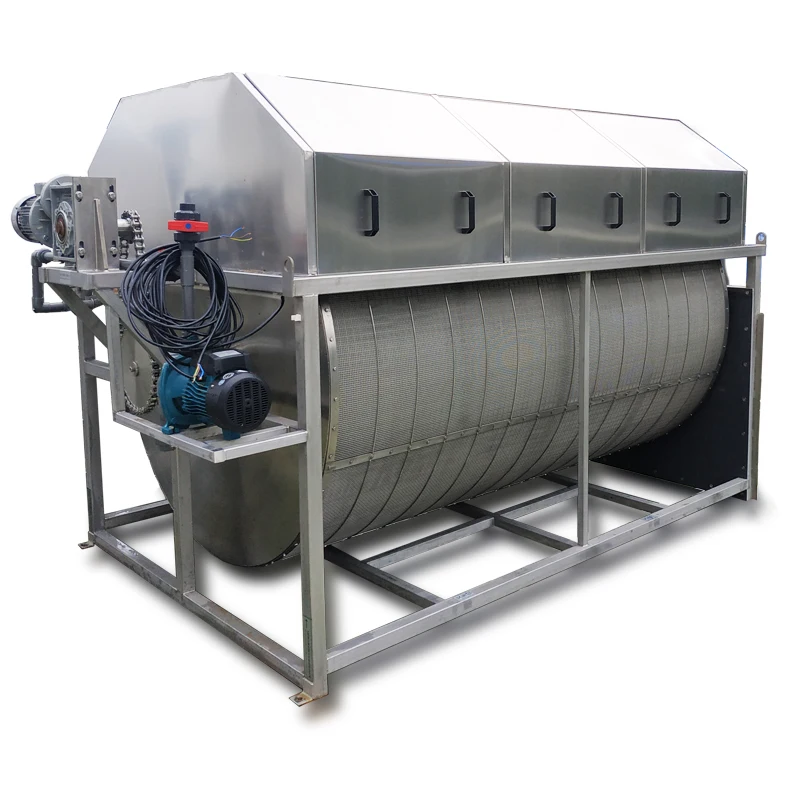
eWater manufactures most RAS equipment. 2018, created Gen-3 rotary-drum filters, Gen-2 Water recirculation system in aquaculture, Gen-3 oxygenation system. offer 3-year guarantee we dedicated providing highest quality product technical support. Since 2016, have been ISO/CE certified.
eWater constantly seeking new Water recirculation system in aquaculture technologies reduced energy consumptions increased productivity. shipped 400 RAS globally successfully September 20th year 2022.
send over engineers project place facilitate installation certification on site. produce precise RAS project prints overseas customer purpose preparing Tilapia ras system basic structure draw up plan action includes timeline requirements labor prior installation.
eWater one most Skimmer for saltwater tank aquaculture supply firms specializes aquaculture recirculating system. work customers develop perfect solution meet needs.
Our professional sales team are waiting for your consultation.

 EN
EN
 AR
AR
 BG
BG
 HR
HR
 CS
CS
 DA
DA
 NL
NL
 FI
FI
 FR
FR
 DE
DE
 EL
EL
 HI
HI
 IT
IT
 JA
JA
 KO
KO
 NO
NO
 PL
PL
 PT
PT
 RO
RO
 RU
RU
 ES
ES
 SV
SV
 TL
TL
 IW
IW
 ID
ID
 SR
SR
 UK
UK
 VI
VI
 HU
HU
 TH
TH
 TR
TR
 AF
AF
 BN
BN
 LO
LO
 LA
LA
 MY
MY
 UZ
UZ