
 EN
EN
 AR
AR
 BG
BG
 HR
HR
 CS
CS
 DA
DA
 NL
NL
 FI
FI
 FR
FR
 DE
DE
 EL
EL
 HI
HI
 IT
IT
 JA
JA
 KO
KO
 NO
NO
 PL
PL
 PT
PT
 RO
RO
 RU
RU
 ES
ES
 SV
SV
 TL
TL
 IW
IW
 ID
ID
 SR
SR
 UK
UK
 VI
VI
 HU
HU
 TH
TH
 TR
TR
 AF
AF
 BN
BN
 LO
LO
 LA
LA
 MY
MY
 UZ
UZ

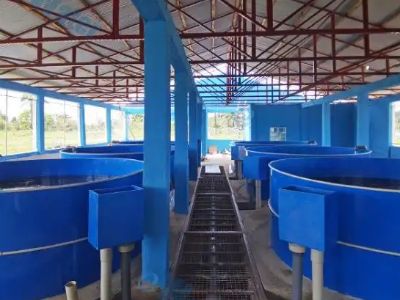
Modern aquaculture systems play a big role in providing seafood that is good for the environment. Aquaculture means farming fish, shellfish, and other water animals in controlled settings like tanks or ponds. This method helps to meet the growing demand for seafood without overfishing the oceans. With smart technology and better methods, companies like eWater are making sure that the seafood we eat is fresh, healthy, and produced in a way that protects our planet. These systems use less water, avoid harmful chemicals, and ensure the animals are raised in a safe and clean environment. This means that when you choose seafood from Ras aquaculture, you are making a choice that supports sustainable practices and helps keep our oceans safe.
How to Choose the Best Aquaculture Systems for Wholesale Seafood Buyers?
Picking the right aquaculture system is important for anyone looking to buy seafood in large amounts. Firstly, look for systems that are certified as sustainable. This means they follow rules that protect the environment and the animals. You want to make sure they do not use harmful chemicals or overuse resources like water. Checking for certifications, like those from environmental groups, can help you know they are doing things right.
Next, think about the kind of seafood you want. Some systems are better for raising fish like salmon or tilapia, while others may focus on shellfish like shrimp or oysters. If you are looking for specific types of seafood, make sure the Ras aquaculture system specializes in that. It’s also good to ask about how the fish are fed. Systems that use natural feeds are often better for the environment.
Another important factor is the technology used in the aquaculture system. Modern systems use advanced technology to monitor water quality, fish health, and growth rates. These technologies help ensure that the seafood is raised in the best conditions. Companies like eWater often invest in these technologies, making their products more reliable and healthy.
Finally, look for systems that have a good track record. You can read reviews or ask for references from other buyers. A system that has been successful for years is more likely to be a safe choice. Remember, choosing the right aquaculture system can make a big difference in the quality of the seafood you provide to customers.
Where to Find High-Quality Sustainable Seafood from Modern Aquaculture?
Finding high-quality sustainable seafood is easier than you think. One of the best places to start is by visiting local markets or seafood shops that focus on fresh, responsibly sourced products. Many of these stores partner with aquaculture farms like eWater that prioritize sustainability. When you shop, don’t hesitate to ask questions about where the seafood comes from. This shows sellers that people care about how their food is produced.
Online shopping is another great option. Many websites specialize in delivering seafood directly from aquaculture farms to your door. These services often provide detailed information about their sourcing practices. You can read about how the seafood is raised, what it is fed, and what certifications the farm has. This transparency is a good sign that they care about quality.
Additionally, you can also check for local aquaculture farms that offer direct sales. Some farms have open days where you can visit, see how they operate, and even buy seafood right from the source. This not only supports local businesses but also gives you the chance to learn more about sustainable practices.
Remember to keep an eye out for seasonal seafood. Some species are better at certain times of the year, which can affect their taste and quality. Staying updated on what is in season can help you make the best choices for your seafood needs. With these tips, finding high-quality sustainable seafood is not only possible but can also be a rewarding experience.
Where Can Wholesale Buyers Source Eco-Friendly Seafood Products?
Wholesale buyers looking for eco-friendly seafood products have many options today. One of the best places to start is by visiting local fish markets. These markets often sell seafood that comes from nearby farms. Buying local seafood helps support the community and reduces the carbon footprint since the fish does not have to travel far. Another good option is to look for seafood suppliers that focus on sustainability. Companies like eWater work hard to provide seafood that is raised in a way that protects the environment. They make sure that the fish are grown without harmful chemicals and that their farming practices do not harm local ecosystems. Wholesale buyers can also look for certifications on seafood products. Labels like "Marine Stewardship Council" or "Aquaculture Stewardship Council" show that the seafood has been produced responsibly. These certifications help buyers feel confident that they are making a good choice for the planet. In addition, many online platforms now offer eco-friendly seafood sourcing. Buyers can browse through different options and find suppliers that align with their values. Connecting with organizations that promote sustainable fishing practices can also help buyers find reliable sources. Attending seafood expos or trade shows is a great way for wholesale buyers to meet suppliers in person and learn more about eco-friendly products. By exploring these options, buyers can ensure they are sourcing seafood that is not only delicious but also good for the environment.
What Are the Common Challenges in Sustainable Aquaculture and Solutions?
Sustainable aquaculture, or fish farming, has its challenges, but there are ways to overcome them. One common problem is water pollution. When fish are farmed, their waste can build up in the water, harming other marine life. To solve this issue, farmers can use systems that clean the water. For example, eWater is working on using natural filters to keep water clean and healthy for the fish. Another challenge is disease. Fish raised in crowded conditions can get sick more easily. To tackle this problem, farmers need to ensure their fish are healthy and the farms are clean. They can do this by giving the fish enough space to swim and grow. Proper nutrition is also essential. Providing the right food helps fish grow strong and fight off diseases. Climate change is another big issue for aquaculture. Rising temperatures can affect fish growth and reproduction. Farmers can adapt to these changes by selecting fish species that are more resilient to temperature changes. Education is crucial, too. Training farmers on sustainable practices can lead to better outcomes. By sharing knowledge about the best farming methods, we can help everyone grow fish in a way that protects the environment. Lastly, there can be conflicts over water use, especially in areas where water is scarce. To manage this, farmers must work together with local communities. By creating agreements that benefit everyone, including the fish, we can ensure that Ras farming aquaculture is sustainable for years to come.
How Modern Technology in Aquaculture Enhances Seafood Traceability?
Modern technology plays a big role in making seafood traceable, ensuring that consumers know where their food comes from. This is important because it helps build trust between buyers and sellers. One way technology helps is through the use of sensors and cameras in fish farms. These tools monitor water quality and fish health. If something goes wrong, farmers can react quickly, ensuring the fish remain healthy and safe to eat. Companies like eWater are using these technologies to enhance their farming practices. Another useful tool is blockchain technology. This system keeps a secure record of where the fish were farmed and how they were processed. When seafood is sold, buyers can scan a code on the package to see its journey from the farm to their plate. This transparency helps buyers choose seafood that is sustainable. Mobile apps are also making it easier for consumers to learn about their seafood. These apps can provide information about fishing practices and sustainability ratings, helping buyers make informed choices. Additionally, social media is a powerful tool for sharing stories about where seafood comes from. Fish farms can share pictures and updates about their practices, giving consumers a behind-the-scenes look. This connection can make people feel more positive about the seafood they buy. Overall, technology is making it easier for everyone to understand the journey of their seafood. As we use these tools, we can ensure that seafood production is not only sustainable but also responsible.
Table of Contents
- How to Choose the Best Aquaculture Systems for Wholesale Seafood Buyers?
- Where to Find High-Quality Sustainable Seafood from Modern Aquaculture?
- Where Can Wholesale Buyers Source Eco-Friendly Seafood Products?
- What Are the Common Challenges in Sustainable Aquaculture and Solutions?
- How Modern Technology in Aquaculture Enhances Seafood Traceability?