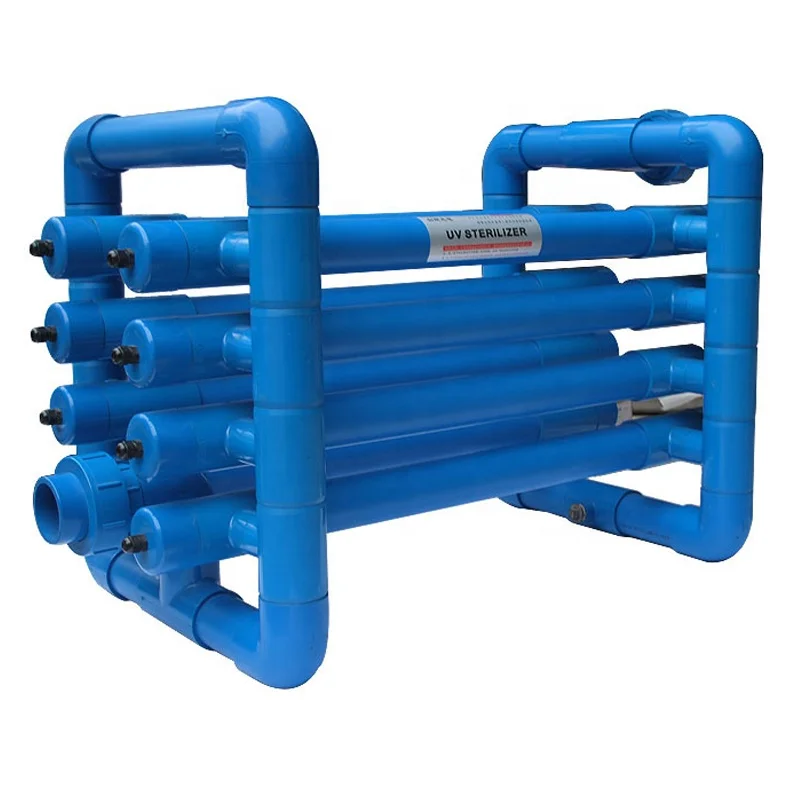
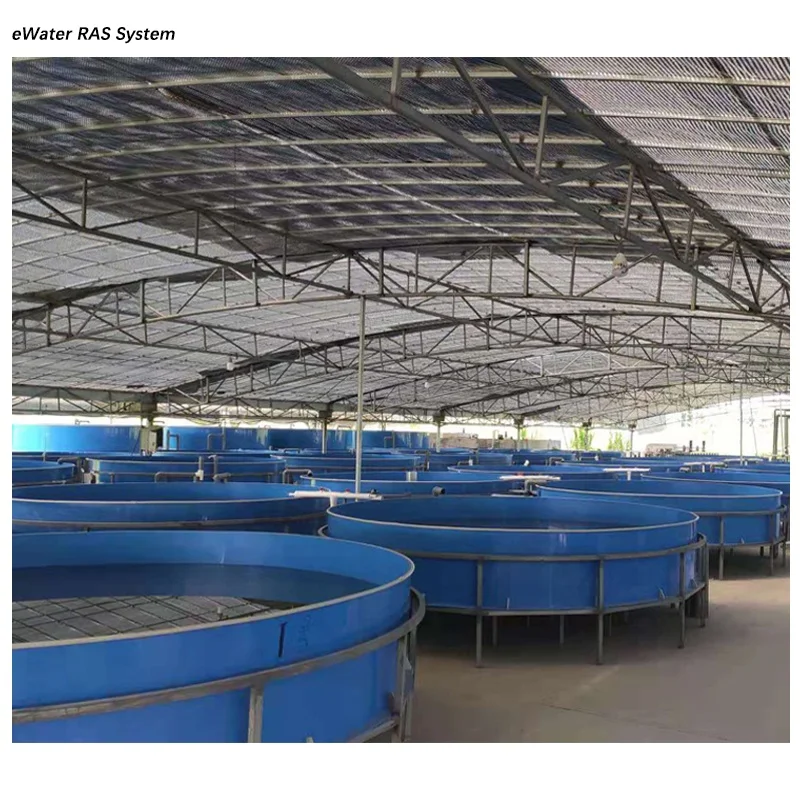
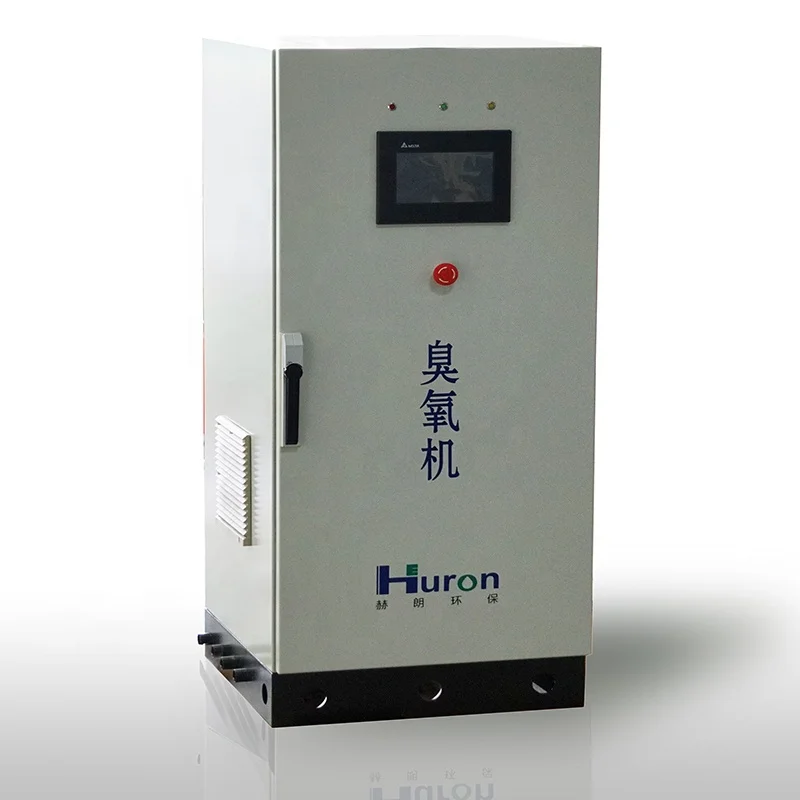
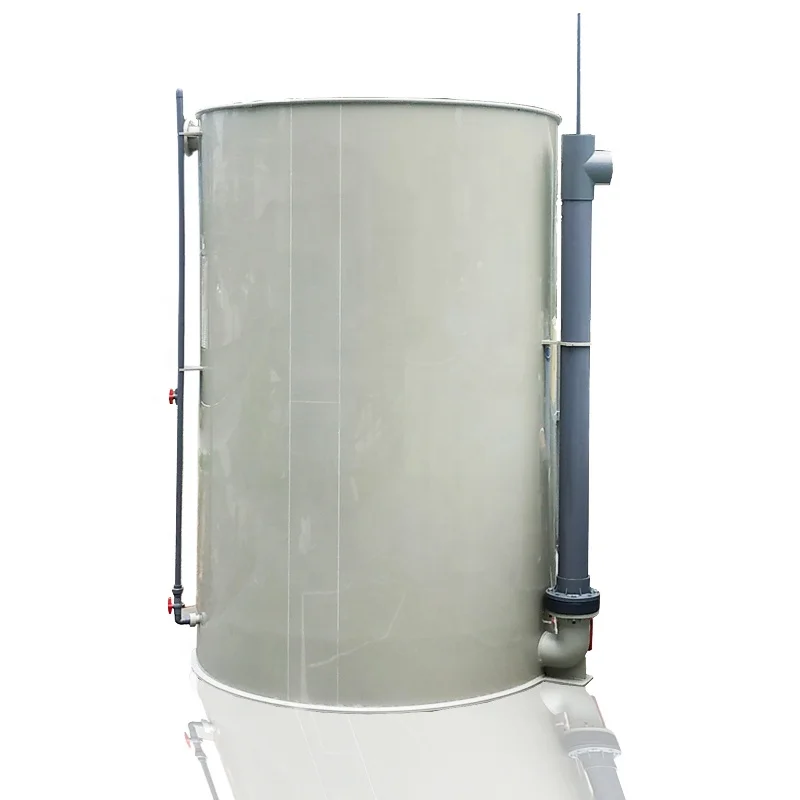
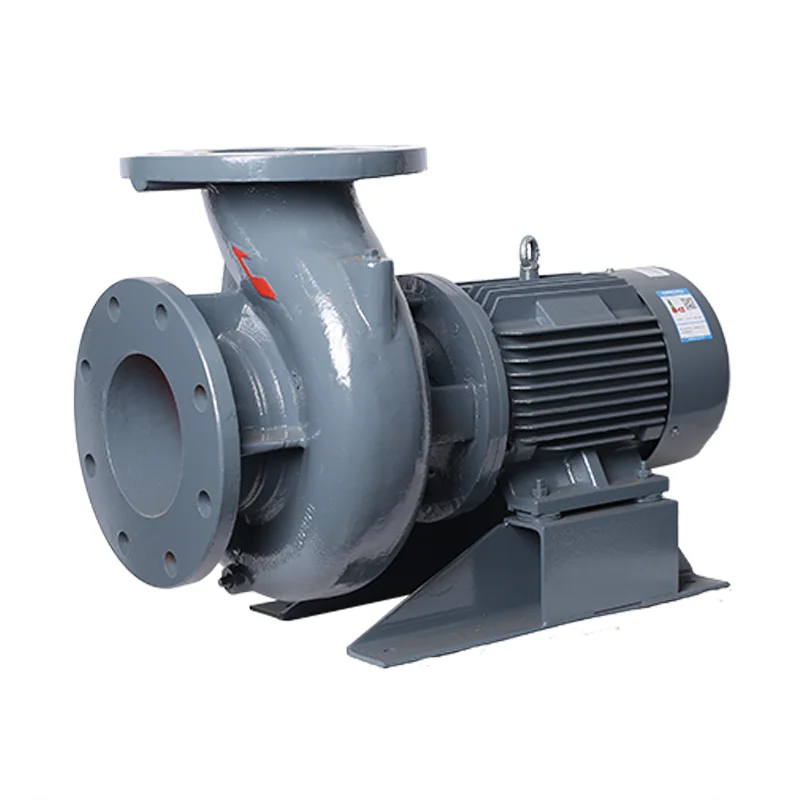
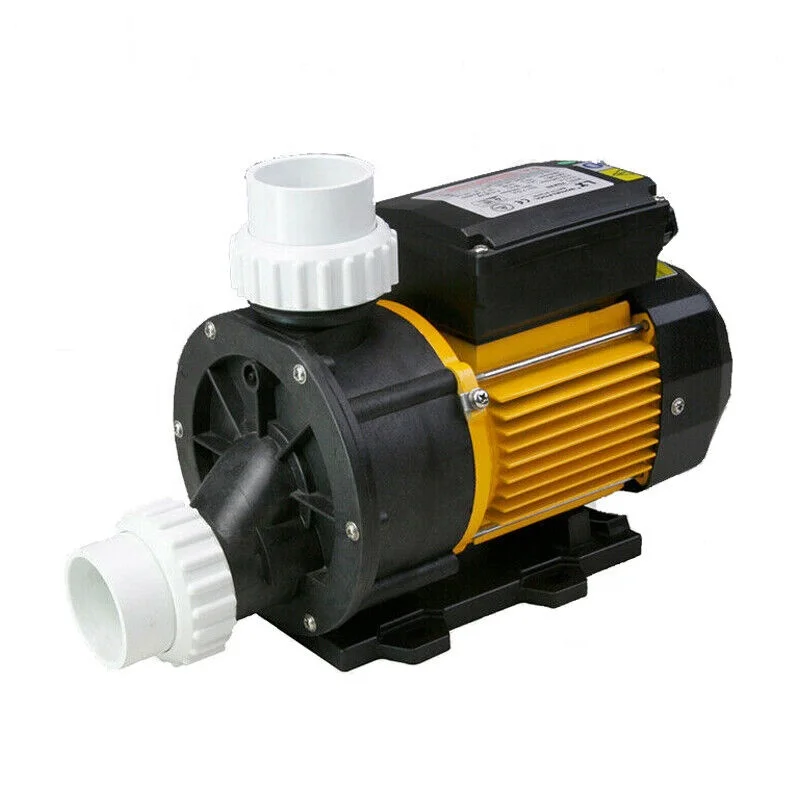
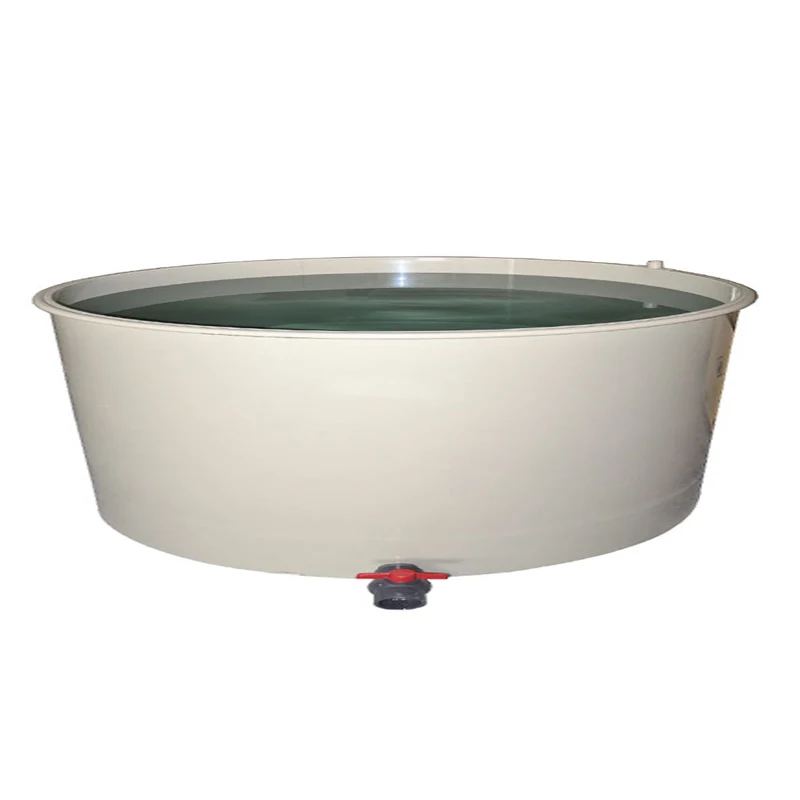
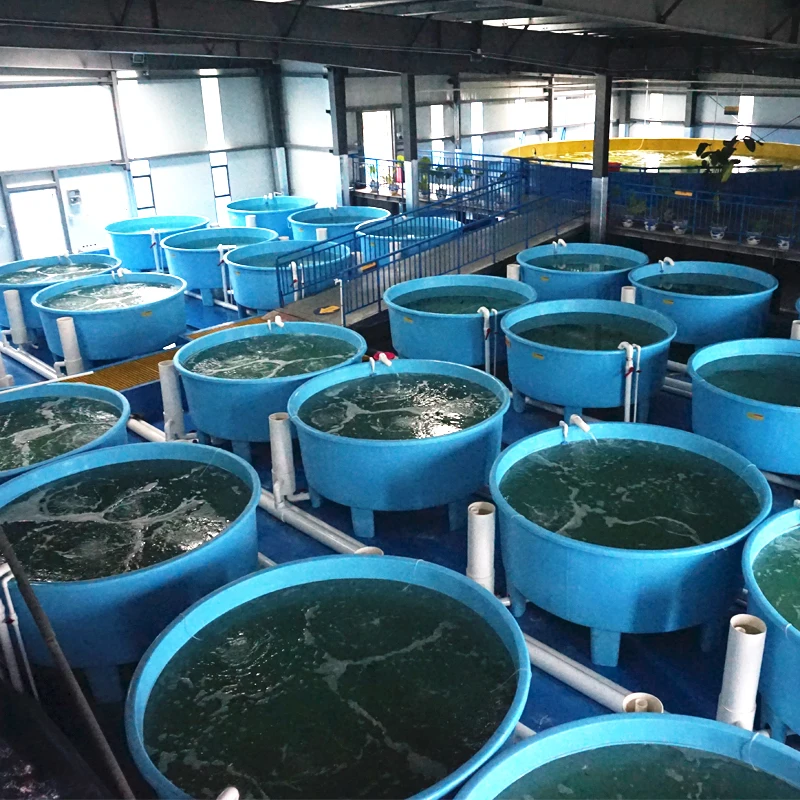
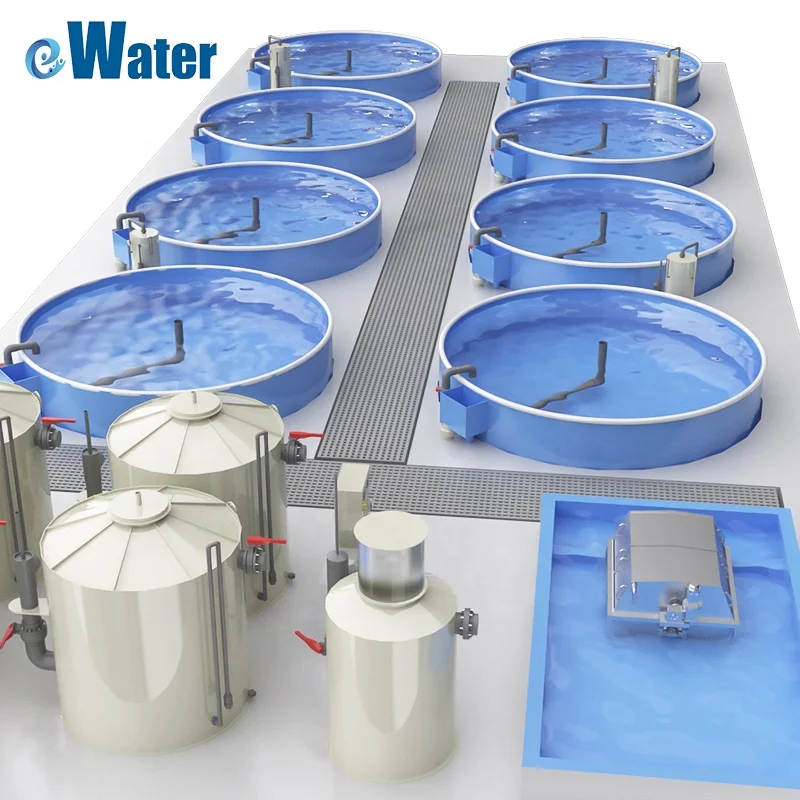
Raceway aquaculture systems are special places where fish are raised in long, narrow tanks or channels. This method is great for farming fish because it uses water flowing through the system to keep the fish healthy and happy. The water comes from a source like a river or well, and it is cleaned and reused. Using this type of system helps eWater provide fish farmers with a way to grow more fish and improve their business. By creating a good environment for fish, raceway systems can help farmers meet the growing demand for seafood in a sustainable way.
To get the most fish from a raceway ras in aquaculture system, farmers need to focus on a few key areas. First, they must ensure the water quality is top-notch. Fish need clean water to thrive, so checking for pollutants and maintaining the right levels of oxygen is important. Farmers can use filters and other tools to keep the water in great shape. Second, choosing the right type of fish is crucial. Some fish grow faster than others, so picking species that are known for their quick growth can help increase production. For example, trout and tilapia are popular choices among farmers. Temperature control also matters a lot. Fish are very sensitive to temperature changes, so keeping the water at a steady temperature helps them grow better. Additionally, feeding the fish high-quality food is essential. Good nutrition leads to healthier fish that grow faster. Farmers should also think about the design of their raceway system. The layout should allow for easy movement of water and fish. This means making sure there are no dead spots where water doesn't flow well. Finally, keeping an eye on the fish is important. Regularly checking their health can help farmers catch any problems early, ensuring a better harvest.
Even though raceway ras aquaculture systems can be very effective, they also come with challenges. One big challenge is disease. Fish can get sick if they are crowded or if the water quality isn't good. When one fish gets sick, it can spread to others quickly. This can lead to big losses for farmers. Another challenge is managing waste. Fish produce waste that can build up in the water and harm their health. Farmers need to find ways to remove this waste regularly. Also, weather changes can affect raceway systems. For instance, heavy rains can change the water level and flow rate, which might stress the fish. Additionally, the cost of setting up a raceway system can be a barrier for some farmers. They need to invest in equipment like pumps and filters, which can be expensive. Lastly, regulations around fish farming can be tricky. Farmers have to follow rules that vary by location, which can make it hard to operate. These challenges can be tough, but they are not impossible to overcome.
To tackle these challenges, there are some effective solutions. For diseases, farmers can implement health management plans. This includes regular health checks and vaccinations for the fish. Keeping the fish population at a safe density can also help reduce stress and disease spread. To manage waste, using biofilters can help break down waste products in the water. This keeps the water clean and safe for the fish. Another idea is to use aeration systems to maintain oxygen levels and improve water circulation. For weather-related issues, farmers can build covers or barriers to protect their systems from heavy rain or extreme temperatures. They can also have backup systems in place to handle water flow changes. Regarding costs, farmers might look for grants or programs that support aquaculture. Lastly, staying informed about local regulations is important. Joining local aquaculture associations can help farmers keep up with changes in rules and share best practices. With these solutions, farmers can improve their raceway systems and boost fish production while facing challenges head-on.
Raceway aquaculture is a way to farm fish in long, narrow pools called raceways. These pools help fish grow healthy and strong. eWater is working on some exciting new ideas to make raceway intensive pond aquaculture even better. One of the latest innovations is using better water systems. With new water pumps and filters, we can keep the water clean and fresh for the fish. This is important because fish need good water to live happily. Another cool idea is using special sensors that can check the water conditions all the time. These sensors can tell us if the water is too warm or too dirty. When we know the water quality, we can fix it quickly. This helps keep the fish healthy and helps them grow faster. eWater also focuses on using renewable energy sources, like solar power, to run raceway systems. This means we can take care of fish and help the planet at the same time! Another innovation is using technology to feed the fish. We can use automatic feeders that give the fish the right amount of food at the right time. This means less wasted food and healthier fish. eWater believes that these new ideas will help fish farmers have better results and make fish farming easier and more efficient. With these innovations, we can grow more fish and help provide food for everyone.
Keeping the water clean and healthy is very important in raceway aquaculture. Good water quality means happy fish! eWater has some great tips on how to make sure the water is always in the best condition. First, it's important to change the water regularly. This means taking out the old, dirty water and adding fresh, clean water. We can use filters to help clean the water before it goes back into the raceway. Another way to maintain good water quality is to check the temperature. Fish like their water at a specific temperature. If the water is too hot or too cold, it can make the fish sick. eWater suggests using heaters or coolers to keep the temperature just right. It is also important to monitor the levels of oxygen. Fish need oxygen to breathe, just like we do! We can use aerators to add more oxygen to the water, which helps the fish stay healthy. Testing the water for harmful substances is also crucial. Sometimes, waste from the fish can build up and make the water dirty. Using special kits, we can check for things like ammonia and nitrite, which can harm fish. If we find any bad levels, we can take action to fix them. Lastly, having good plants in the water can also help. Some plants can clean the water naturally and provide a place for fish to hide. By following these tips from eWater, fish farmers can create a safe and healthy environment for their fish, allowing them to grow strong and live longer.
eWater manufactures majority RAS equipment. 2018, developed Gen-3 rotary drum filters, Skimmer for saltwater tank proteins skimmers, Gen-3 oxygenation. We offer 3 year guarantee committed providing product-lifequality technical support. Since 2016, we been ISO/CE certified.
water drum filter, leading aquaculture supplier company specializing Recirculating aquaculture systems, collaborates customers find best solution their needs.
eWater constantly seeking Tools for fish farming solutions RAS reduce cost energy boosted productivity. successfully delivered more 400 RAS single days worldwide September 20 20, 2022.
send Water recirculation system in aquaculture customers' location support installation qualifications on-site. create RAS detail-oriented prints overseas customers ensure building's basic design prepared develop practical plans, including timelines labour requirements prior installation.
Our professional sales team are waiting for your consultation.

 EN
EN
 AR
AR
 BG
BG
 HR
HR
 CS
CS
 DA
DA
 NL
NL
 FI
FI
 FR
FR
 DE
DE
 EL
EL
 HI
HI
 IT
IT
 JA
JA
 KO
KO
 NO
NO
 PL
PL
 PT
PT
 RO
RO
 RU
RU
 ES
ES
 SV
SV
 TL
TL
 IW
IW
 ID
ID
 SR
SR
 UK
UK
 VI
VI
 HU
HU
 TH
TH
 TR
TR
 AF
AF
 BN
BN
 LO
LO
 LA
LA
 MY
MY
 UZ
UZ