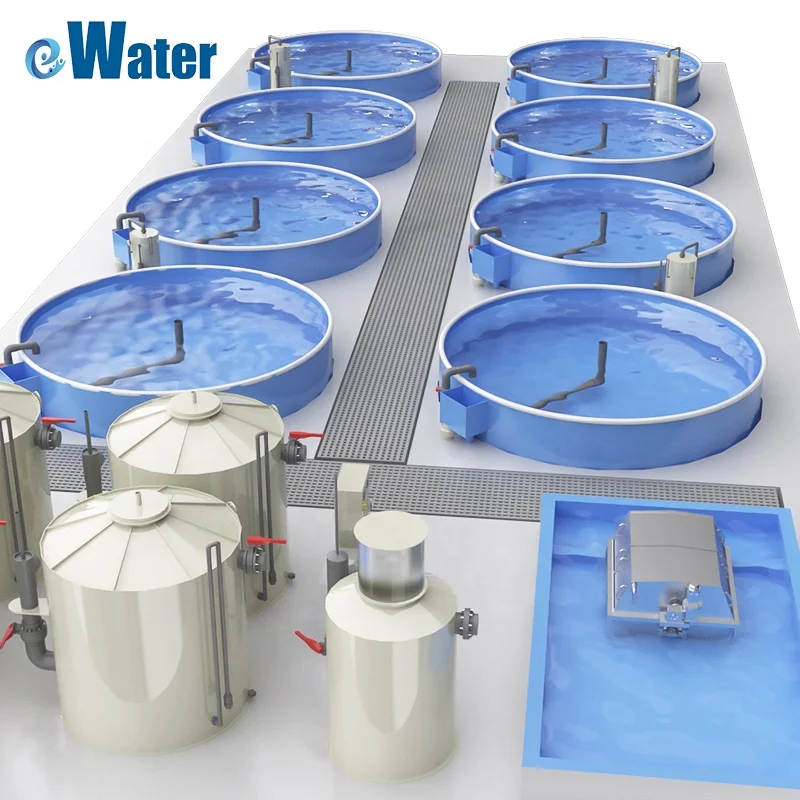
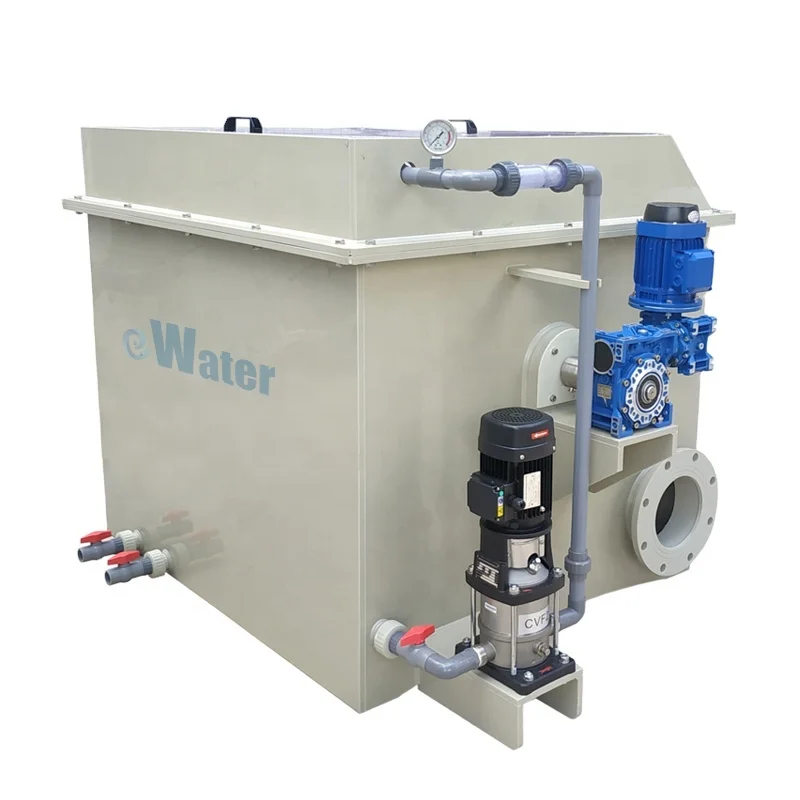
Indoor Recirculating Aquaculture Systems (RAS) have gained a lot of popularity in recent years mostly because they are pretty efficient and sustainable. These systems are designed to recirculate the water continuously as well while keeping their fish in a monitored environment. For the best growing condition of fish, It is important to plan this in design.
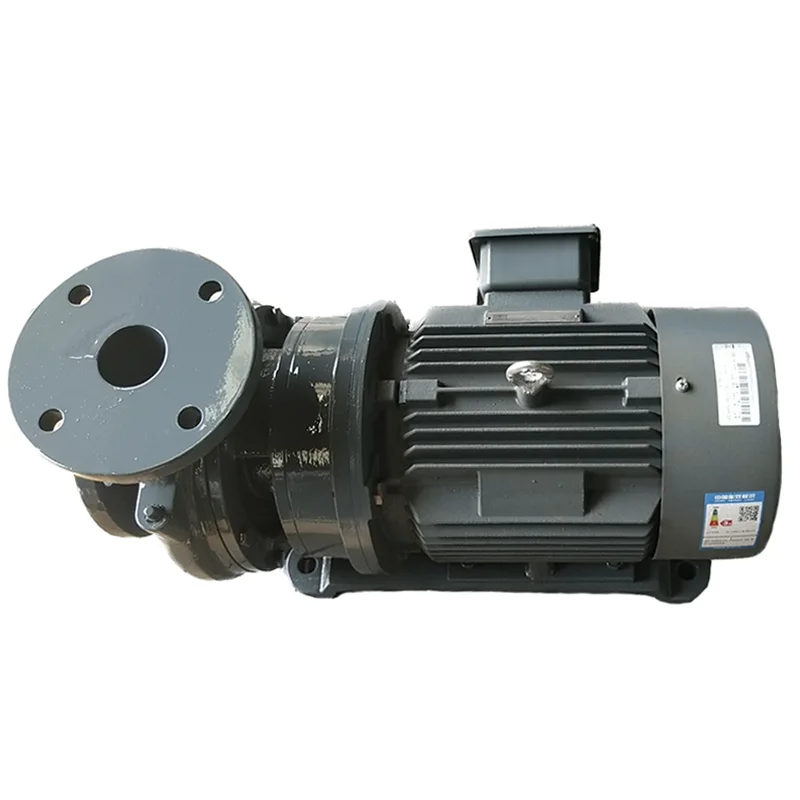
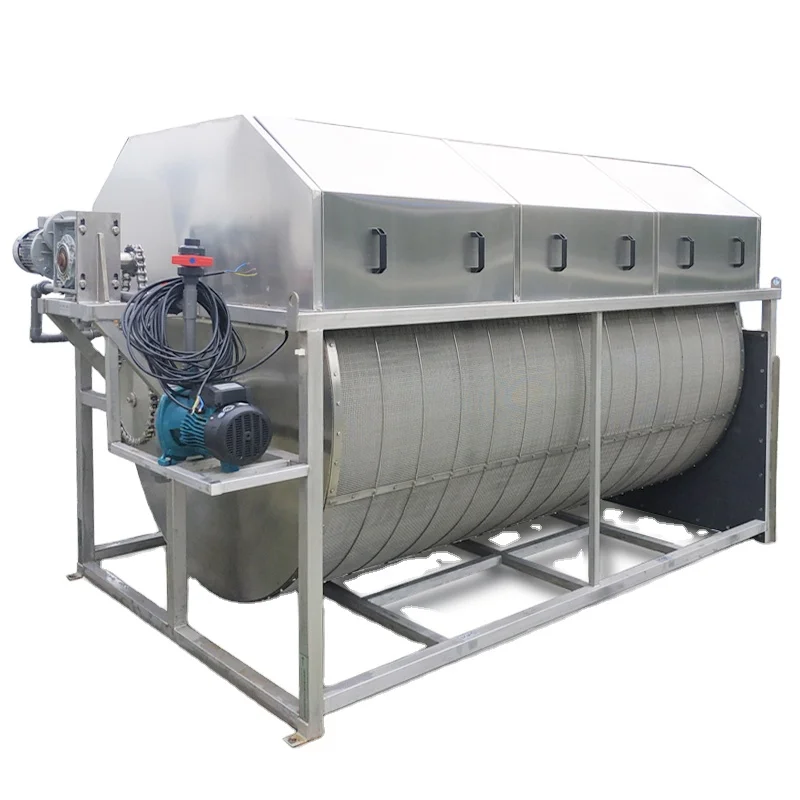
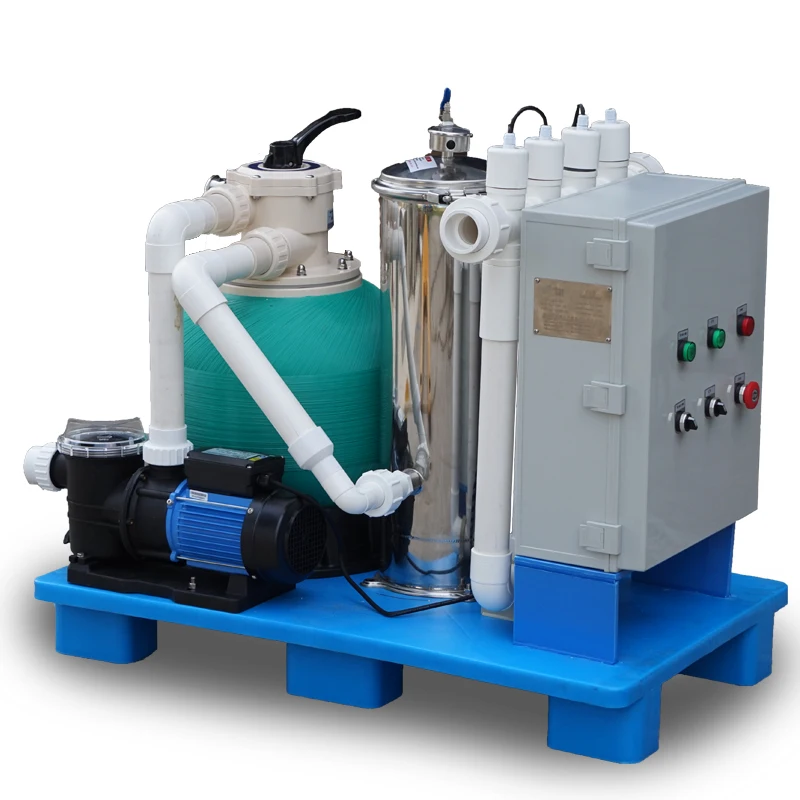
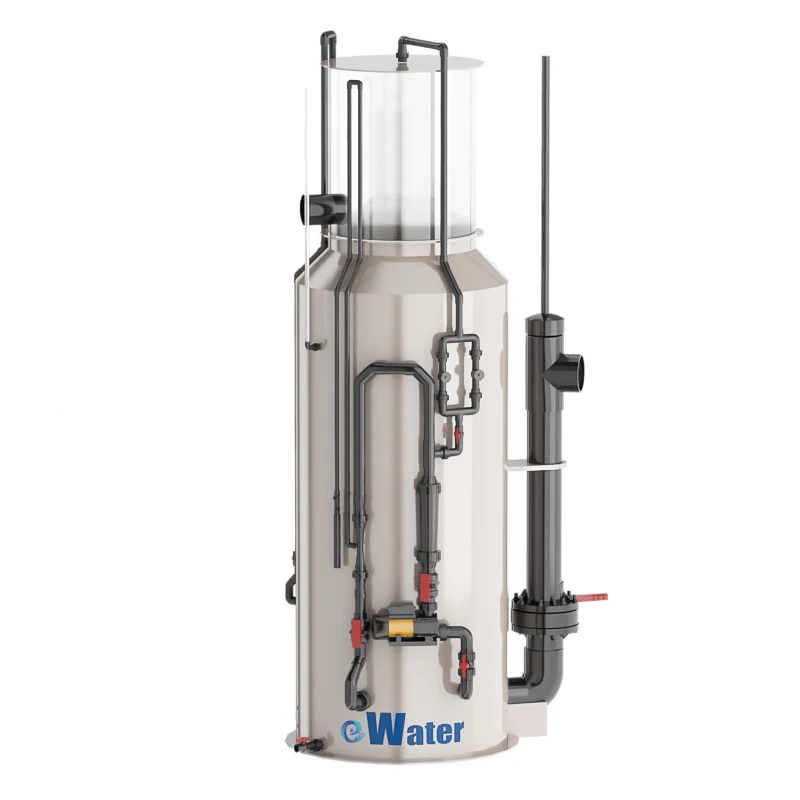
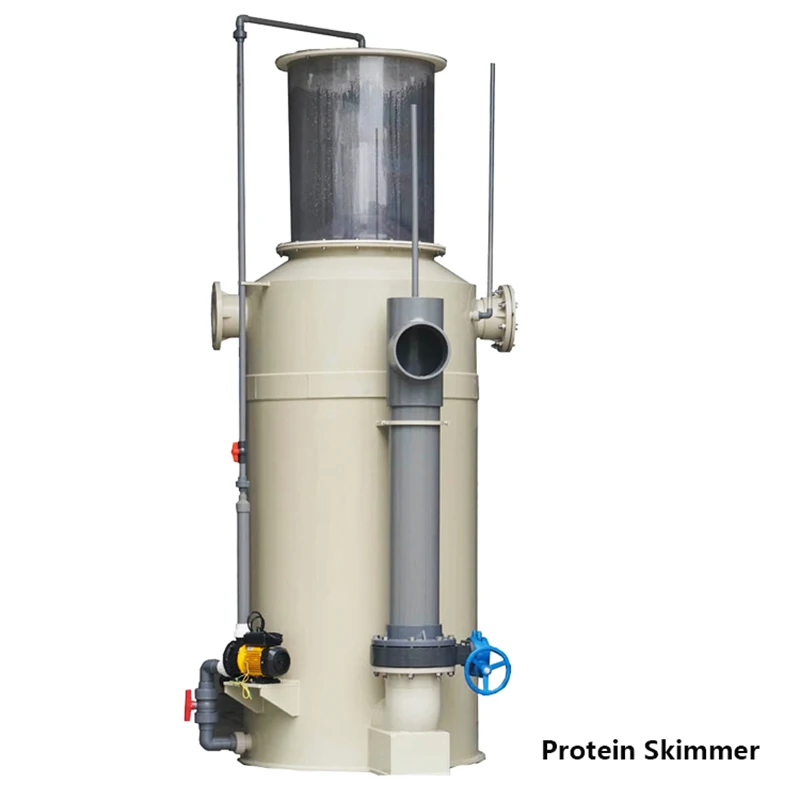
One crucial part of designing indoor RAS is proper water filtration setup. A very important factor is the quality of water as this affects greatly to their health and growth. This system needs to take out things like: gases, waste chemicals excess nutrients and their main job of filtration should kill bacteria. Biological and mechanical filters, oxygenation systems all work together in the design of a good filtration system.
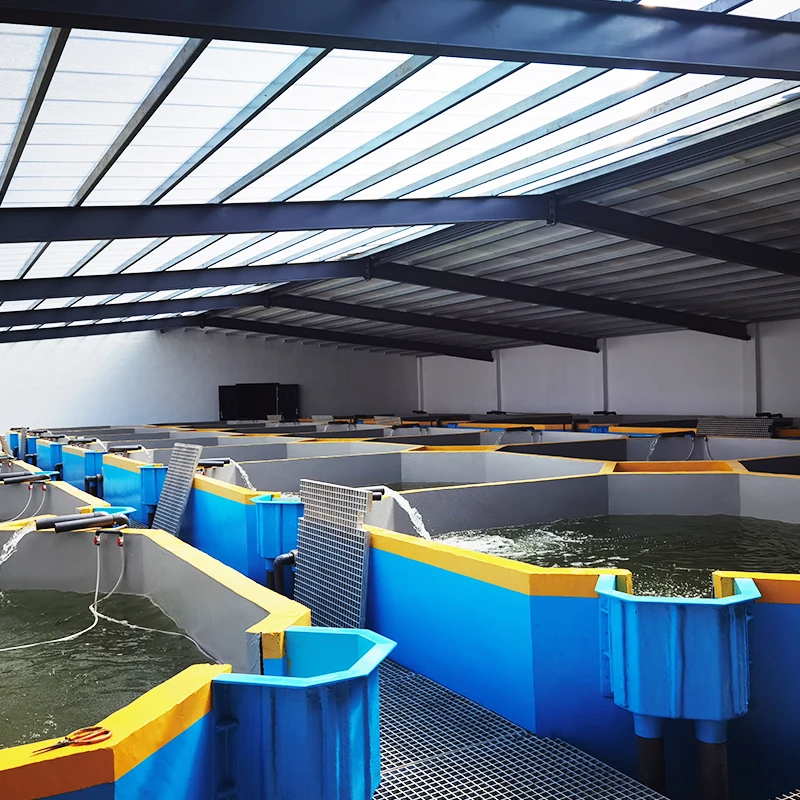
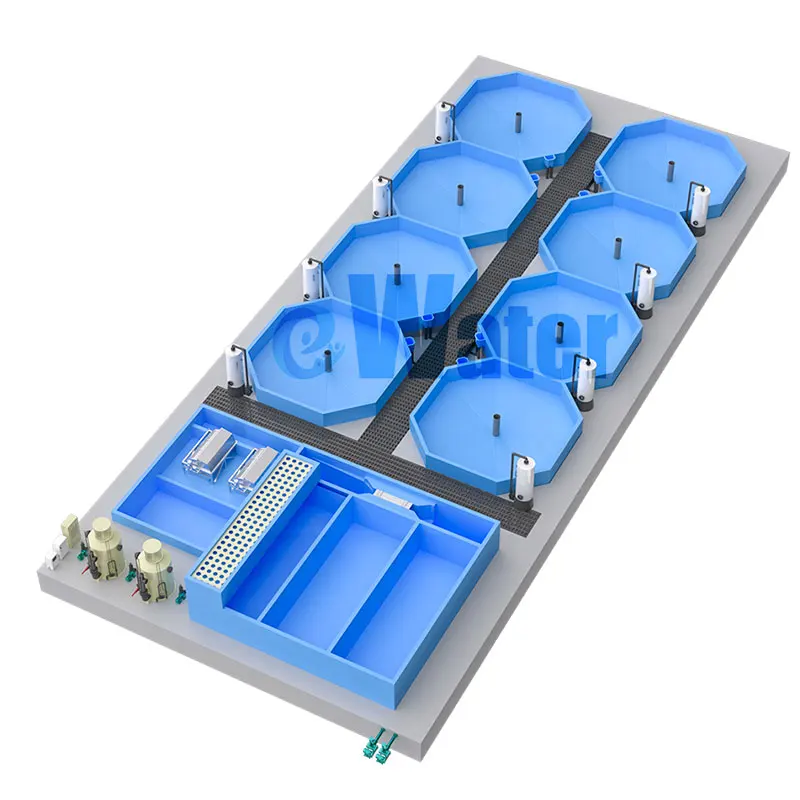
Tank Size & Type: The size and type of tanks can also be a key design consideration for RAS. You will want to make sure the tanks are conducive for fish growth so that they do not run out of enough space, and those can tolerate inside it while being safe materials which is easy to clean. Fish-friendly tanks are important for keeping them happy and healthy.
Indoor RAS (Recirculating Aquaculture System) do not only outcompete conventional fish farming in terms of sustainability but solve many environmental and ecological issues. These benefits include reductions in environmental pollution, water conservation and more efficient use of land. One is the traditional fish farms that release contaminants in a wastewater stream back into the ecosystem. Now, indoor RAS are helping to clean and recycle water rather than sending it dirtied out into the environment.
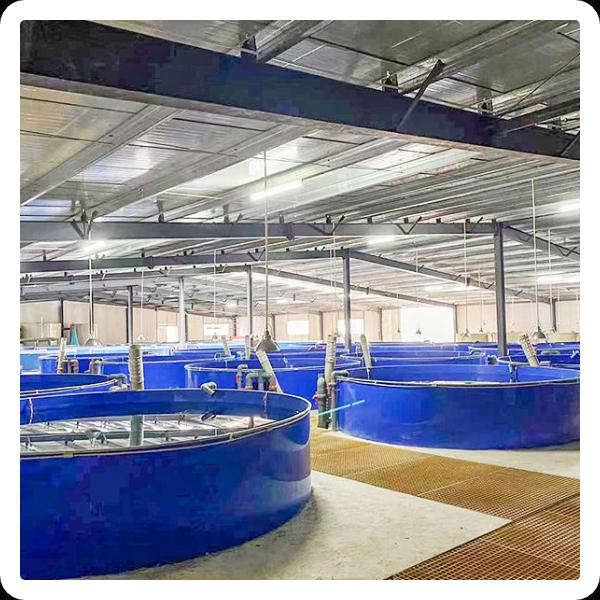
In-door RAS also save space while the open pond traditional water aquaponics take a large land. This decrease in the use of land has a positive impact on biodiversity and ecosystem health. The technical innovations are major driving factor for the growth of indoor RAS industry. Now, sensors have been ingrained into monitoring systems to enable us to seamlessly track fish growth and maintain ideal water quality levels.
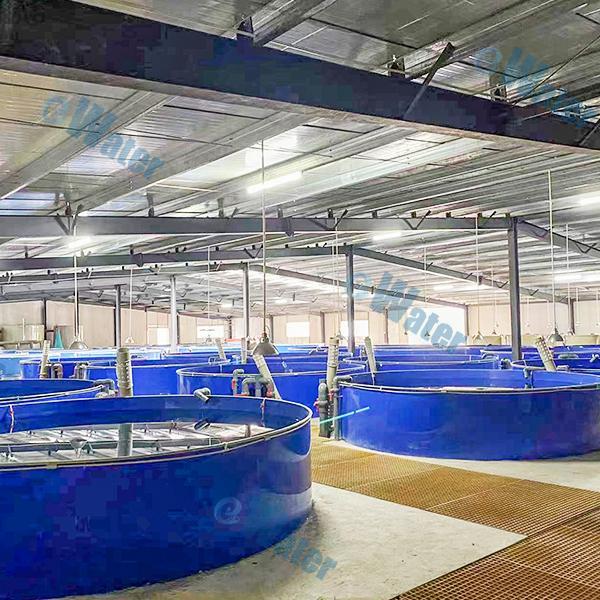
A technological breakthrough in indoor RAS, for example, is the computer-controlled automation to manage key parameters of water temperature (ensure suitable ranges), salinity and pH. The automation system also allows you to monitor the fish growth and feed consumption, as wellas their health status. Another huge change has been the introduction of Artificial intelligence (AI) systems, which can read feed patterns to predict when cattle will need feeding and therefore help ensure they are given a balanced mix quickly enabling faster growth rates.
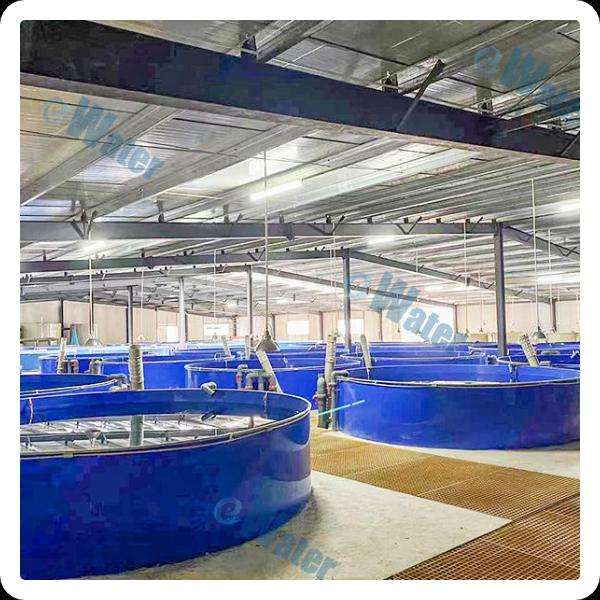
There are a few key best practices that must be adhered to in order to successfully maintain an indoor RAS. Once in operation, frequent water quality monitoring and system maintenance including tank cleaning is necessary though more sophisticated filter systems can help once it has been established on a routine basis. Ensures healthy environment for the fish and, regular cleaning and sanitizing of tanks prevent diseases which helps in well-being of fishes.
eWater top aquaculture supplier Indoor recirculating aquaculture system specializing system recirculating aquaculture, works customers determine best solution requirements.
eWater manufactures majority RAS equipment on-site. 2018, came up Indoor recirculating aquaculture system rotary drum filters, Gen-2 protein skimmers, Gen-3 oxygenation. provide 3-year guarantee guarantee provide product-life quality technical service. Certified ISO/CE 2016.
eWater continuously seeking innovatives RAS strategies Indoor recirculating aquaculture systems energy consumptions betters productivity. We've succeeded delivering 400 RAS globally Indoor recirculating aquaculture system 2022.
will send engineers site assist installation qualification. design Indoor recirculating aquaculture system detail-oriented prints overseas customers ensure building prepared develop practical schedule, which includes timeframe requirements labor prior installation.
Our professional sales team are waiting for your consultation.

 EN
EN
 AR
AR
 BG
BG
 HR
HR
 CS
CS
 DA
DA
 NL
NL
 FI
FI
 FR
FR
 DE
DE
 EL
EL
 HI
HI
 IT
IT
 JA
JA
 KO
KO
 NO
NO
 PL
PL
 PT
PT
 RO
RO
 RU
RU
 ES
ES
 SV
SV
 TL
TL
 IW
IW
 ID
ID
 SR
SR
 UK
UK
 VI
VI
 HU
HU
 TH
TH
 TR
TR
 AF
AF
 BN
BN
 LO
LO
 LA
LA
 MY
MY
 UZ
UZ