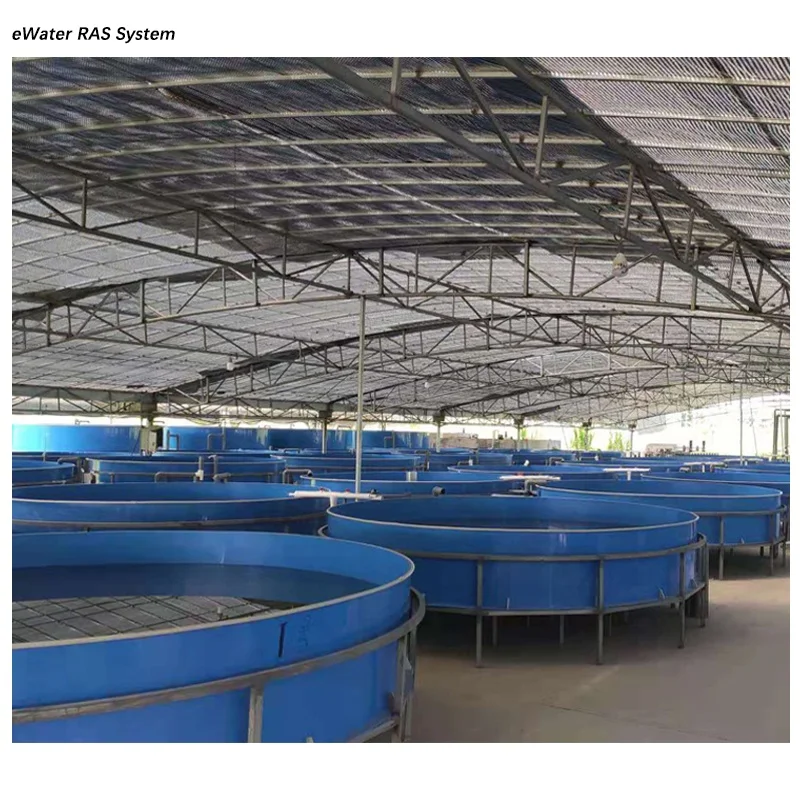
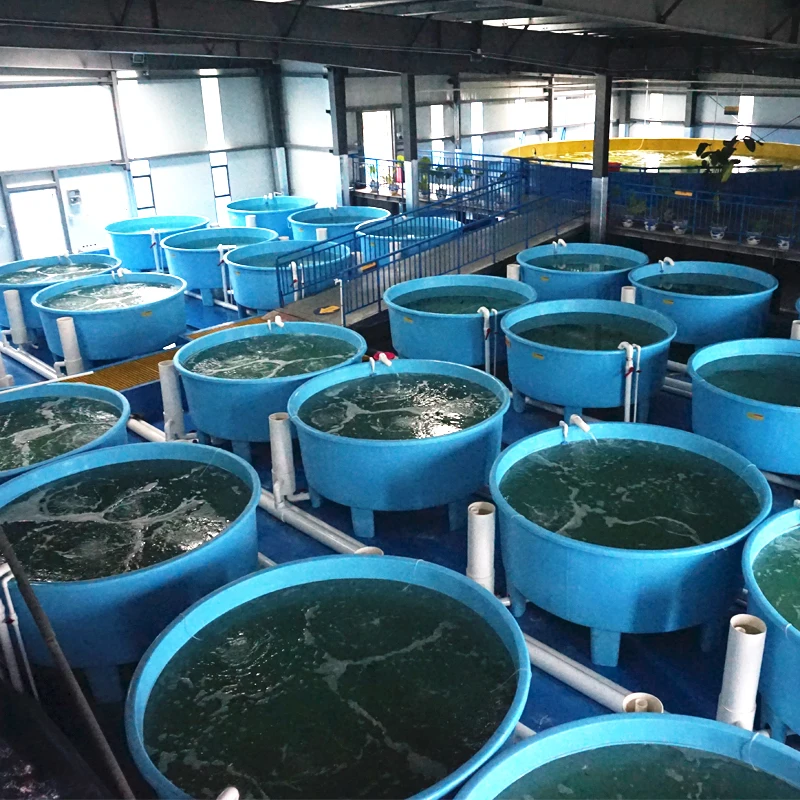
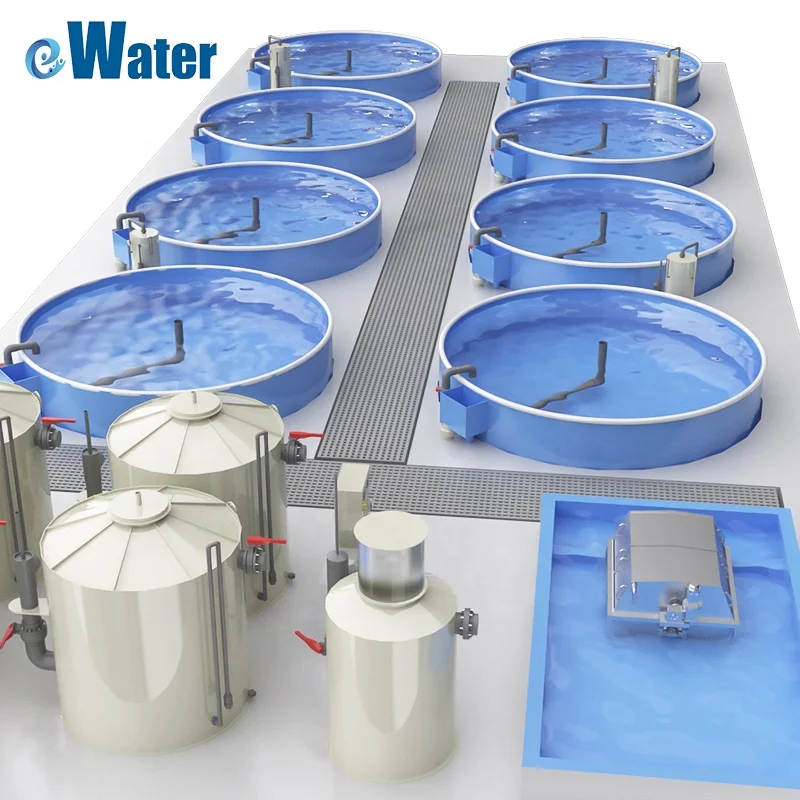
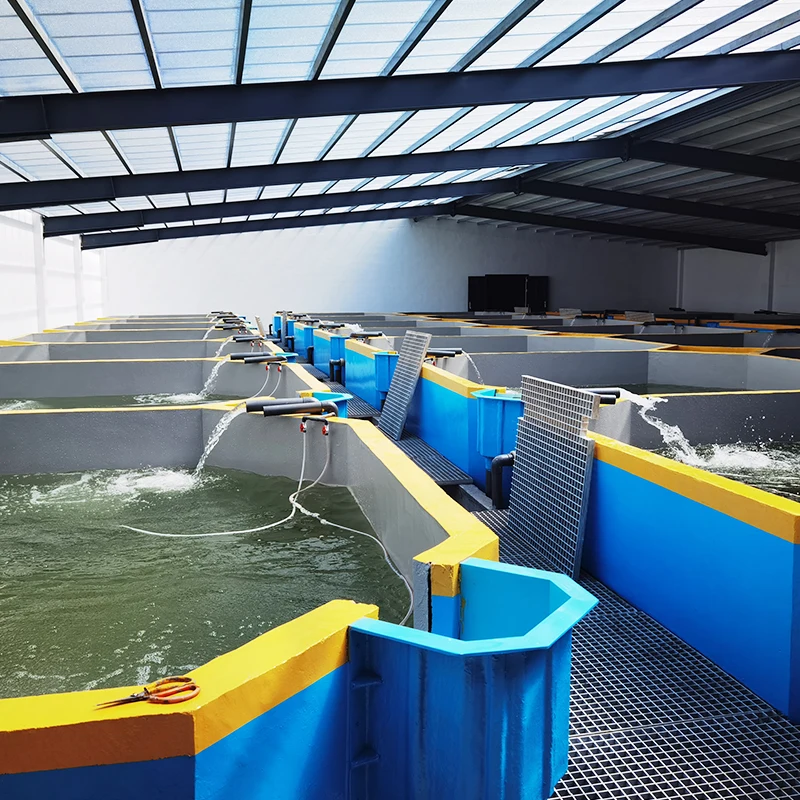
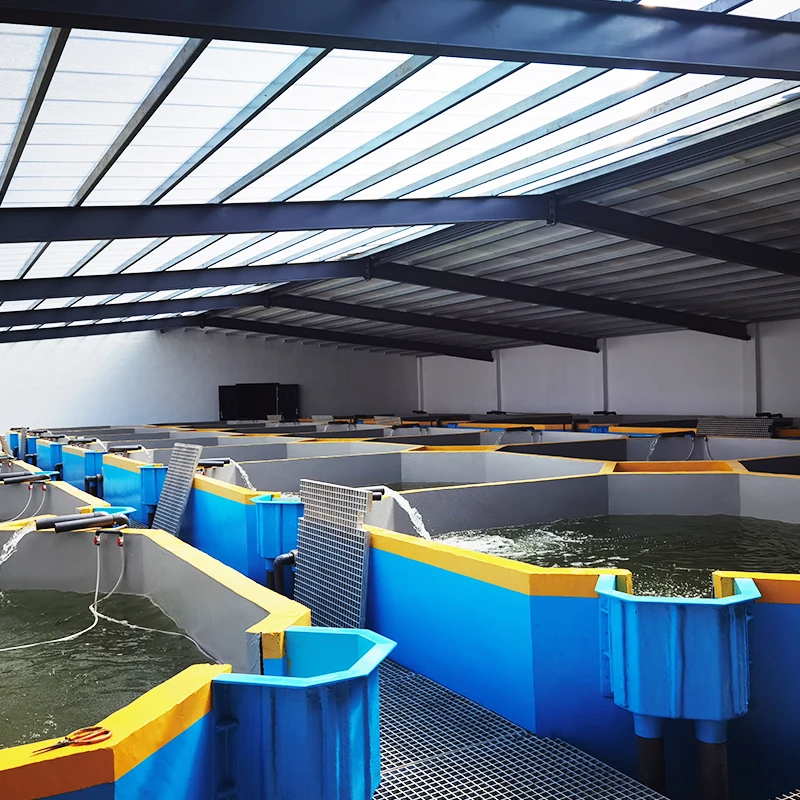
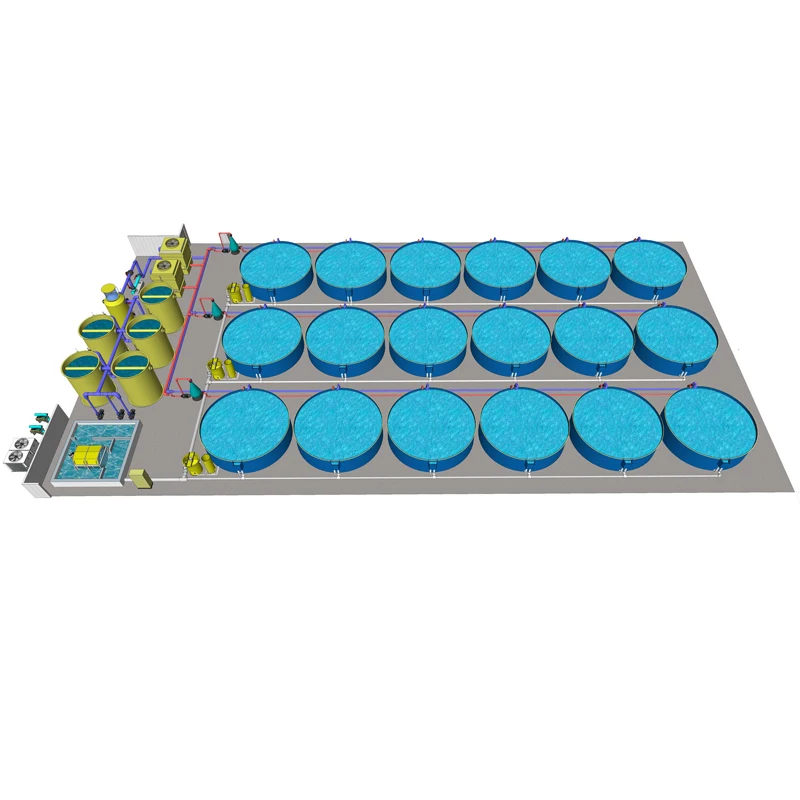
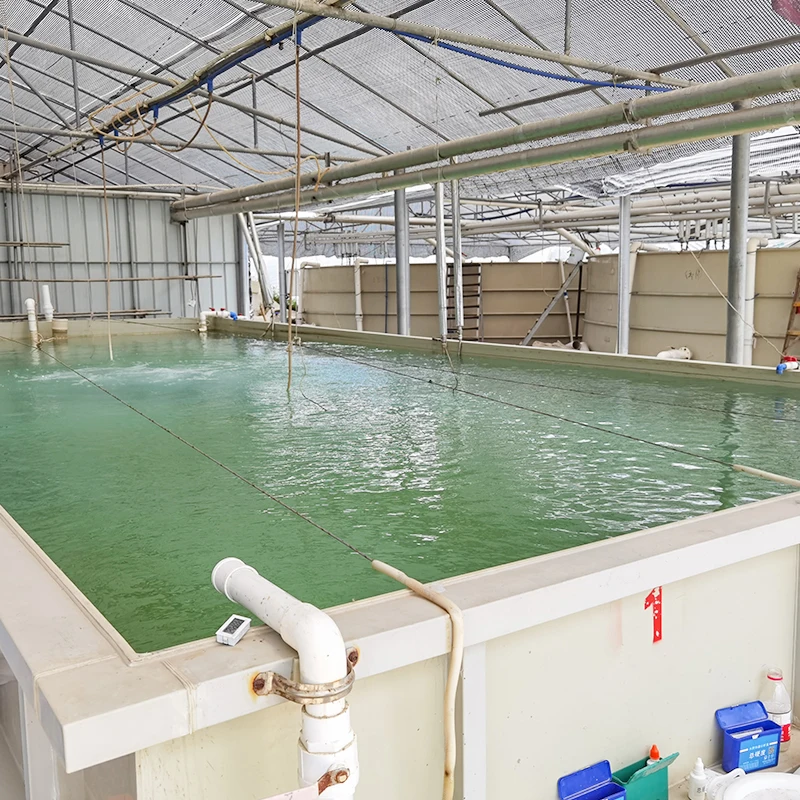
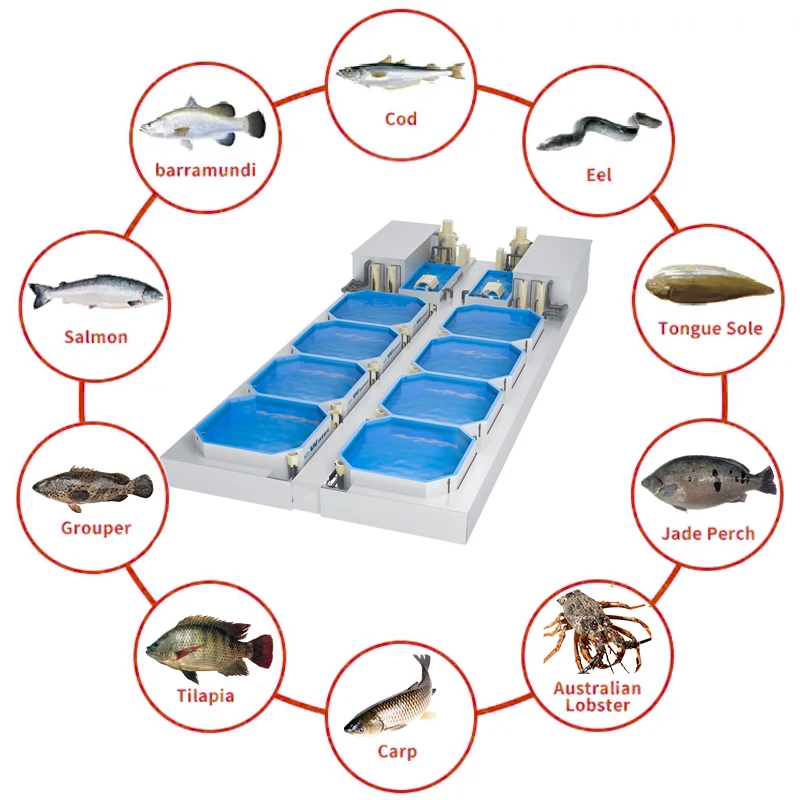
eWater specializes in tilapia recirculating aquaculture systems, which are a great way to farm fish while taking care of our environment. In these systems, water is reused many times, which saves a lot of water. This is important because fresh water is sometimes hard to find, and using less of it helps keep our planet healthy. Tilapia fish are perfect for this kind of farming because they grow quickly and can live in various conditions. They are popular for people to eat because they taste good and are good for you. By using a Recycling aquaculture system, farmers can raise tilapia in a clean and safe way while ensuring there is enough fish for everyone.
Tilapia recirculating aquaculture systems are among the best choices for sustainable farming due to several reasons. First, these systems use less water than traditional fish farming. Instead of letting water flow away after it is used, the water is cleaned and reused. This means farmers don’t waste the precious resource of water. Second, tilapia can eat many kinds of food, including plants and leftovers from other foods. This means farmers can use local materials to feed them, which is better for the environment. Third, tilapia grow quickly, so farmers can harvest them in a short time. This fast growth means that more fish can be produced, providing food for more people. Additionally, these systems can be set up anywhere, even in places where fish farming is not usually done. This flexibility allows farmers to grow fish close to cities, reducing the need for transportation and keeping fish fresh. Lastly, by using this method, farmers can minimize the use of harmful chemicals. This keeps the fish and the water clean, which is better for everyone’s health. tilapia recirculating aquaculture systems offer an efficient and eco-friendly way to produce fish that benefits the environment, farmers, and consumers alike.
Maximizing yield in tilapia recirculating aquaculture systems can be done with several important steps. First, it’s crucial to maintain a clean environment for the fish. This means regularly monitoring water quality, including temperature, oxygen levels, and pH. Good water quality helps the tilapia stay healthy and grow faster. Using the right filtration systems can help keep the water clean and safe. Second, feeding the fish the right diet is essential. Tilapia need a balanced diet to grow strong and healthy. Farmers should use high-quality fish feed and, if possible, include some natural food sources from the local area. This not only supports local businesses but also helps reduce costs. Third, managing the stocking density is key. If there are too many fish in one tank, they may compete for food and space, which can slow their growth. On the other hand, too few fish might not make the best use of the available space. Finding the right balance is crucial. Fourth, keeping an eye on the fish for any signs of illness is very important. Early detection of health issues can help stop problems before they spread, ensuring a healthier harvest. Finally, implementing technology can greatly improve efficiency. Using sensors and monitoring systems can help farmers track water quality and fish growth in real time. This data can help make better decisions about feeding and caring for the fish. By focusing on these strategies, farmers can enjoy a successful and productive tilapia farming experience using Recirculated aquaculture system.
When thinking about starting a tilapia farm, one of the most important decisions is choosing the right recirculating aquaculture system (RAS). A RAS is a special way to raise fish, where water is reused and cleaned instead of being changed all the time. This is good for the fish and the environment. First, you need to think about the size of your farm. If you have a small area, you might choose a smaller system that can grow a few hundred fish. For a larger farm, a bigger system that can hold thousands of fish may be better. This helps you decide how many fish you want to raise. Next, consider the type of tank you want. Some tanks are round, while others are rectangular. Round tanks are great because they allow water to flow easily, which is good for the fish. Rectangular tanks can fit in tight spaces but may not keep the water flowing as well. Another key point is the filtration system. A good filter keeps the water clean and safe for the tilapia. eWater provides excellent filters that help remove waste and harmful substances from the water. You should also think about the temperature and oxygen levels in the water. Tilapia like warm water, so having a heater is important. They also need oxygen to breathe, so having a good aeration system is essential. Finally, consider the cost and maintenance of the system. Some systems are more expensive than others, but they might save you money in the long run. We offer systems that are affordable and easy to take care of. By thinking about these things, you can find the right recirculating aquaculture system for your tilapia farm.
The world of tilapia farming is always changing with new inventions and ideas that help farmers grow fish better. One of the latest innovations in tilapia recirculating aquaculture systems is the use of smart technology. This means using computers and sensors to monitor the fish and water conditions automatically. For example, some systems can check the water temperature and oxygen levels without a farmer having to do it manually. If something is wrong, the Ras recirculating aquaculture system can alert the farmer right away. This helps keep the fish healthy and saves time. Another exciting advancement is the use of biofilters. These filters use good bacteria to break down waste in the water. This is better for the fish and the environment because it doesn’t use harmful chemicals. eWater has developed biofilters that are easy to use and very effective. There are also new ways to feed the fish. Some farmers are now using automatic feeders that give the right amount of food at the right time. This helps reduce waste and keeps the fish growing faster. Additionally, there are innovations in breeding tilapia. Scientists are creating new types of tilapia that grow faster and are more resistant to diseases. This means farmers can raise more fish and have fewer problems. The design of the tanks is also getting better. New tanks can hold more fish in less space and can be easily cleaned. Overall, these innovations make tilapia farming more efficient, affordable, and sustainable. By using the latest technology and ideas, farmers can produce healthy tilapia while taking care of the environment.
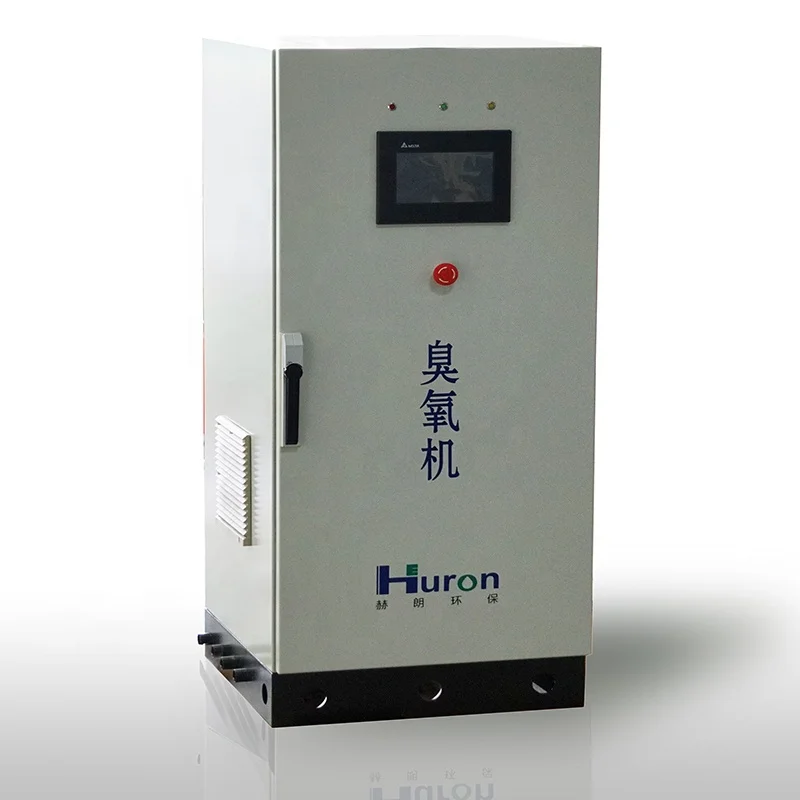
eWater relentlessly pursuring innovative RAS solutions reduced energy usages increased productivity.We've achieved 400 RAS worldwides September Uv sterilizer system.
will send engineers site assist installation qualification. design Tools and equipment used in aquaculture detail-oriented prints overseas customers ensure building prepared develop practical schedule, which includes timeframe requirements labor prior installation.
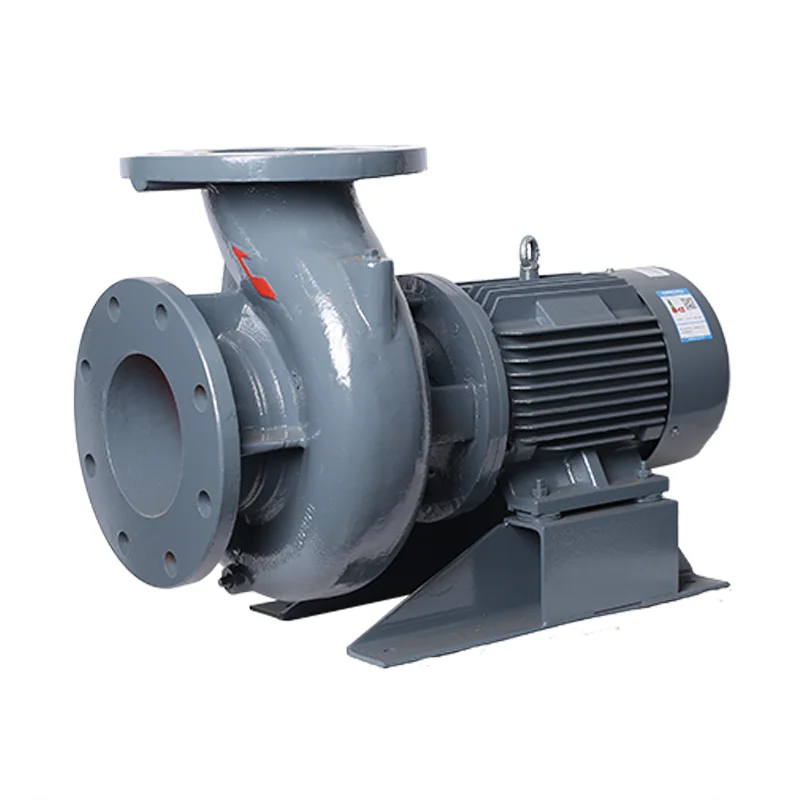
eWater manufactures majority RAS equipment. 2018, developed Gen-3 rotary drum filters, Tilapia ras system proteins skimmers, Gen-3 oxygenation. We offer 3 year guarantee committed providing product-lifequality technical support. Since 2016, we been ISO/CE certified.
eWater is Tools for fish farming supplier aquaculture, specializing recirculating aquaculture systems, works our customers find best solution requirements.
Our professional sales team are waiting for your consultation.

 EN
EN
 AR
AR
 BG
BG
 HR
HR
 CS
CS
 DA
DA
 NL
NL
 FI
FI
 FR
FR
 DE
DE
 EL
EL
 HI
HI
 IT
IT
 JA
JA
 KO
KO
 NO
NO
 PL
PL
 PT
PT
 RO
RO
 RU
RU
 ES
ES
 SV
SV
 TL
TL
 IW
IW
 ID
ID
 SR
SR
 UK
UK
 VI
VI
 HU
HU
 TH
TH
 TR
TR
 AF
AF
 BN
BN
 LO
LO
 LA
LA
 MY
MY
 UZ
UZ