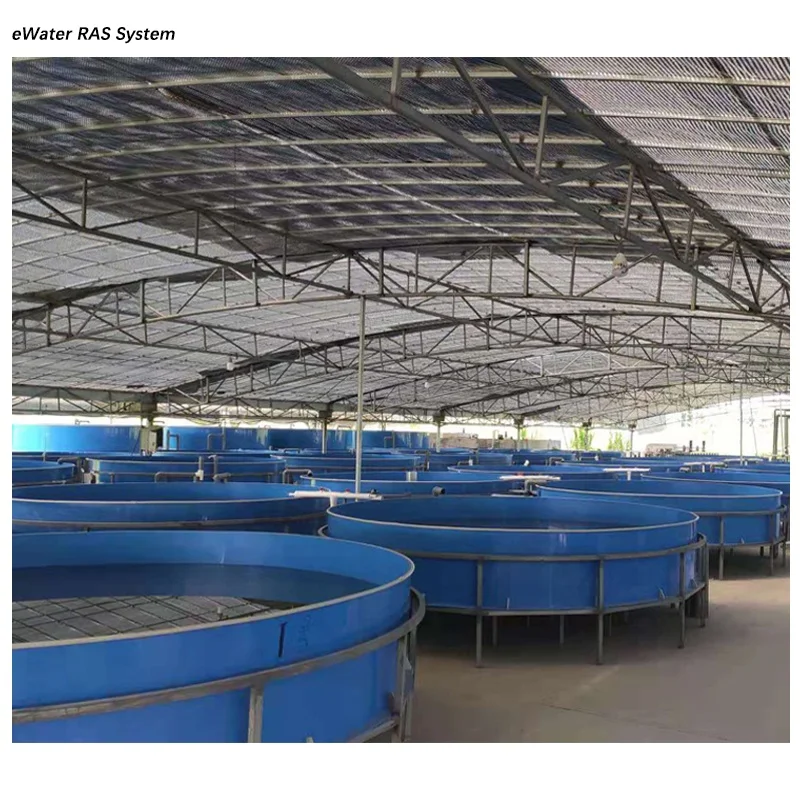
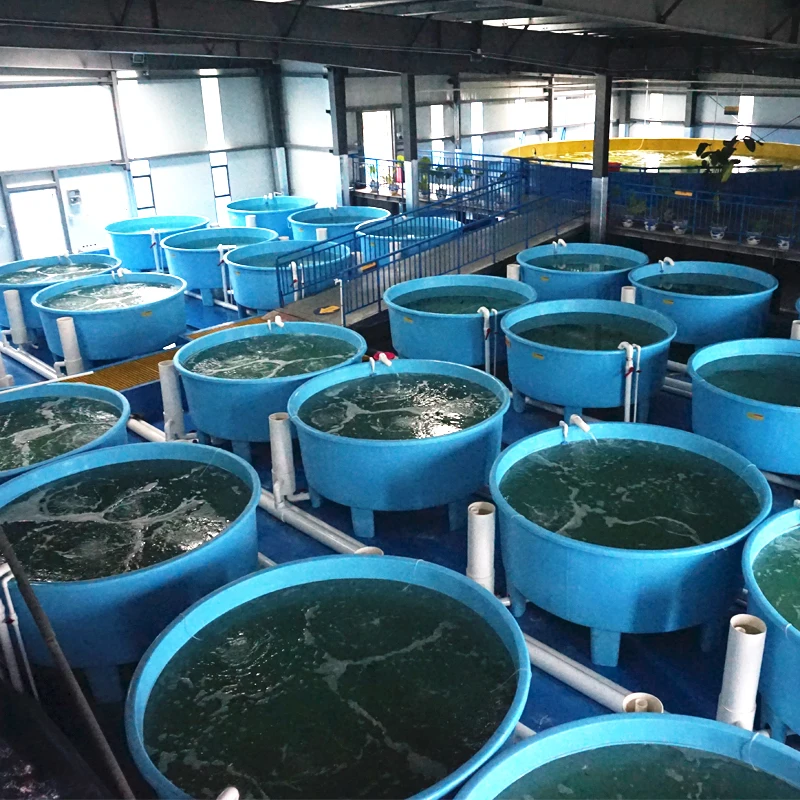
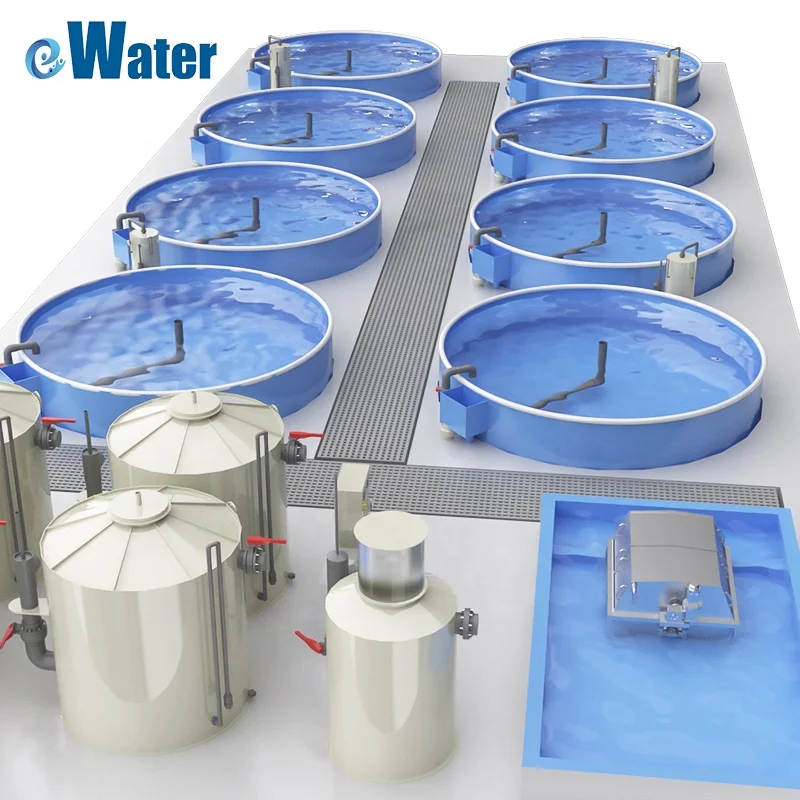
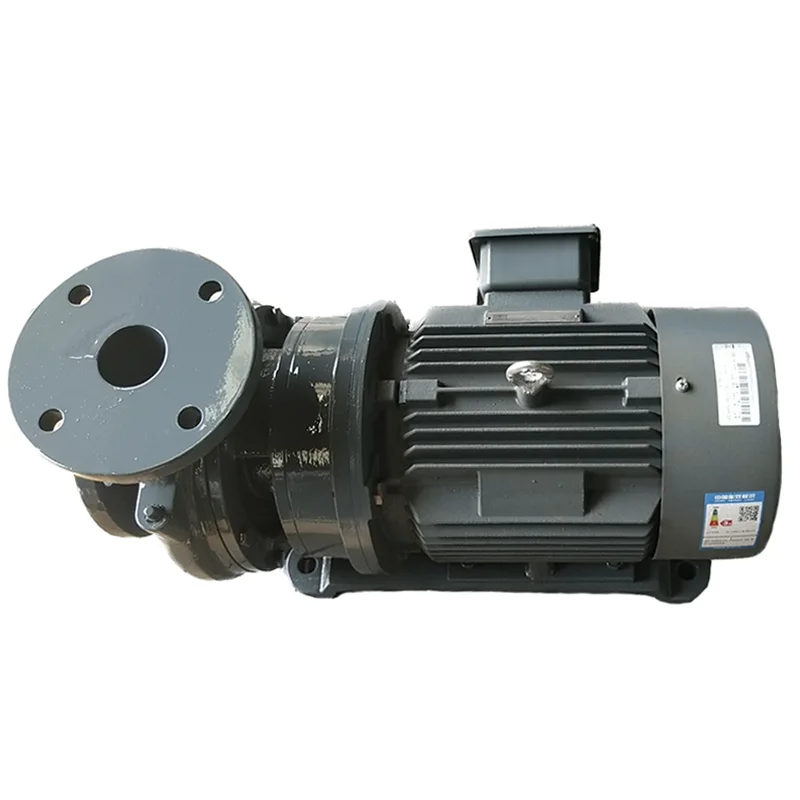
Recirculating aquaculture systems (RAS) are getting popular because they offer a clean and smart way to farm fish. These indoor aquaculture systems which means they use less of it and keep the environment healthier. In RAS, fish are raised in tanks, and the water is filtered and cleaned before it goes back into the tanks. This helps the fish grow better and keeps the water fresh. Our company, eWater, is dedicated to making these systems even better. We focus on creating solutions that help fish farmers produce more fish while using less water and energy. RAS can make fish farming a lot more sustainable, and that is important for the future of food.
To get the most out of indoor recirculating aquaculture system means carefully planning how to raise fish in the best way. First, you need to think about the right fish to raise. Some fish grow faster than others and need different conditions, like temperature and food. By choosing the right fish, farmers can maximize their yield. Next, it’s important to manage the water quality. Good water quality is essential for fish health. This includes keeping the right levels of oxygen and ammonia. Using smart sensors can help monitor these levels, making it easier to keep the water clean.
Sometimes, farmers also face problems with the land based recirculating aquaculture systems get the right nutrition, they can get sick or grow slowly. To solve this, farmers can work with experts who can help them choose the best food for their fish. Lastly, keeping track of everything in the system can be hard. Farmers need to know how many fish they have, how much food they eat, and how clean the water is. Using computers or apps can help farmers keep track of this information easily.
Choosing the right Recirculated aquaculture system is very important for fish farmers. First, farmers need to think about how many fish they want to raise. If they want to raise a lot of fish, they will need a bigger system. But if they only want to raise a few fish for personal use, a smaller system will work just fine. It is also important to consider what type of fish will be raised. Some fish need different conditions than others. For example, some fish like warmer water, while others thrive in cooler water. Farmers should do some research on the fish they want to raise and find a system that fits those needs.
Bio planning is a way to organize how fish are raised in a Recirculating aquaculture. When done efficiently, bio planning can help save money and make the fish farming process smoother. One way bio planning helps is by making sure that the right amount of fish is raised. If farmers raise too many fish, they may run out of space or food, which can lead to wasted resources. By carefully planning how many fish to raise and what their needs are, farmers can keep operations efficient and reduce costs.
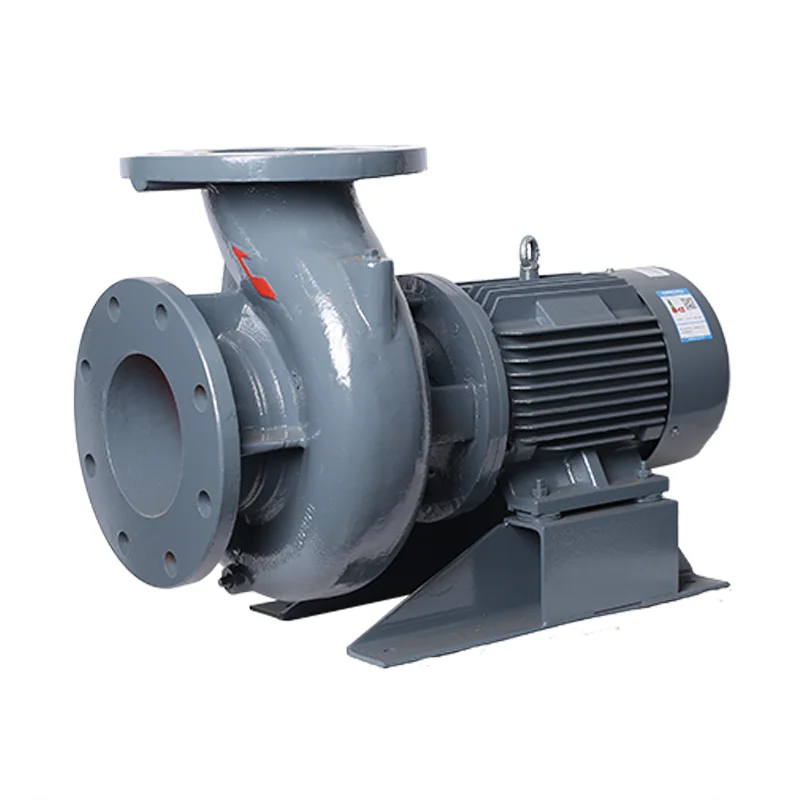
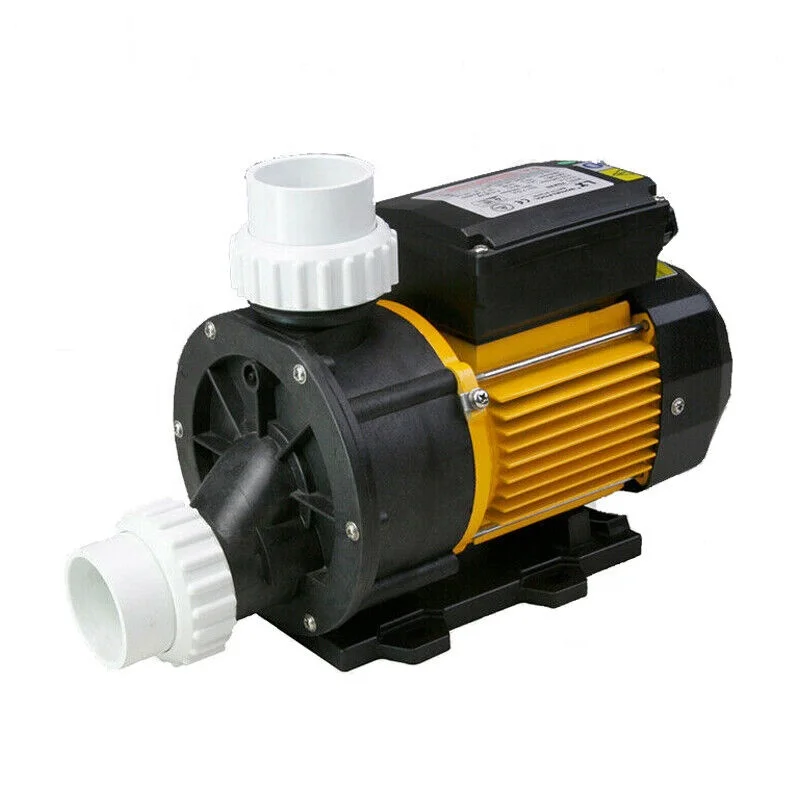
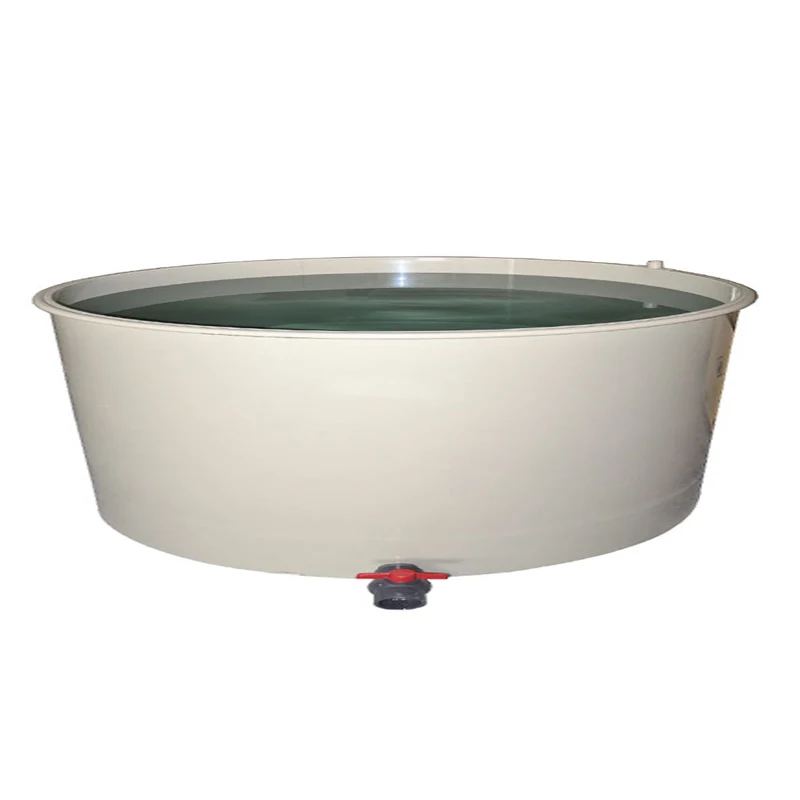
eWater top supplier aquaculture, specializing Recirculating aquaculture systems, collaborates customers Tools and equipment used in aquaculture most suitable solution requirements.
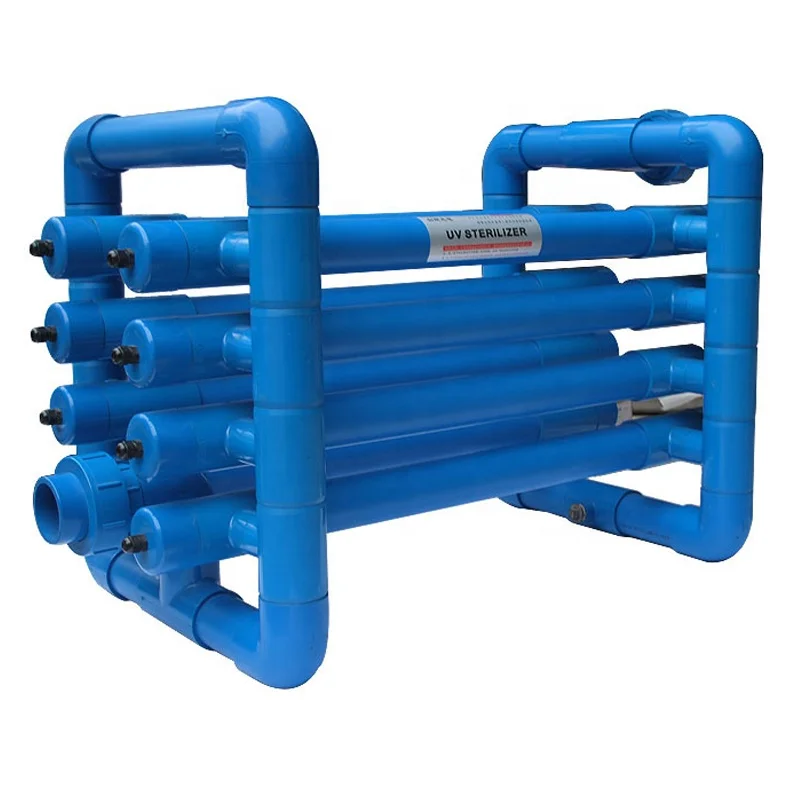
Uv light water disinfection bring engineers site assist installation qualification. design RAS projects detailed prints overseas customers make basic building completed create realistic schedule, includes timeframe requirements labor prior installation.
eWater constantly seeking new Water recirculation system in aquaculture technologies reduced energy consumptions increased productivity. shipped 400 RAS globally successfully September 20th year 2022.
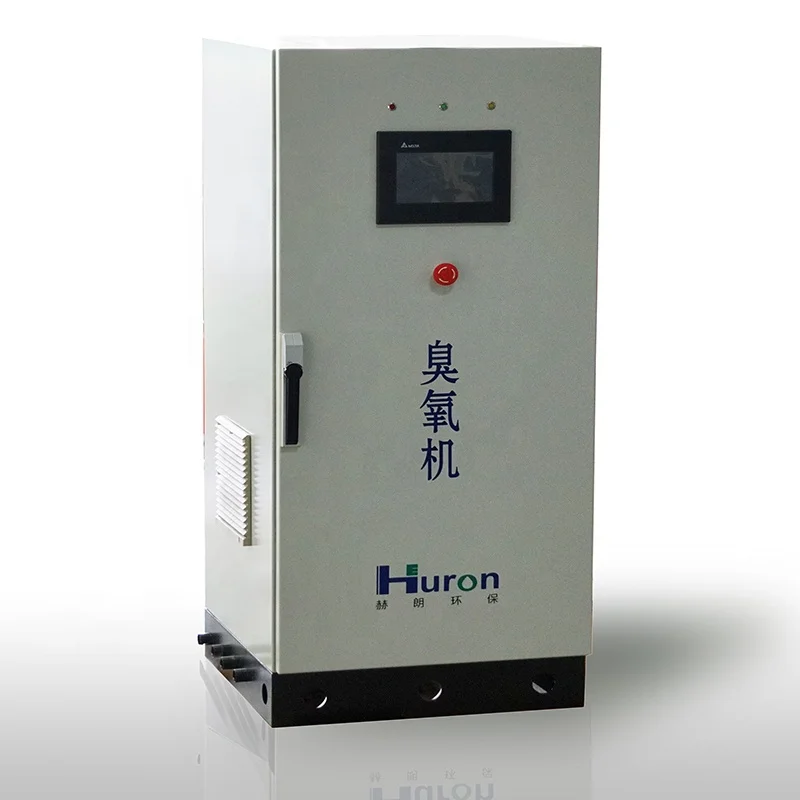
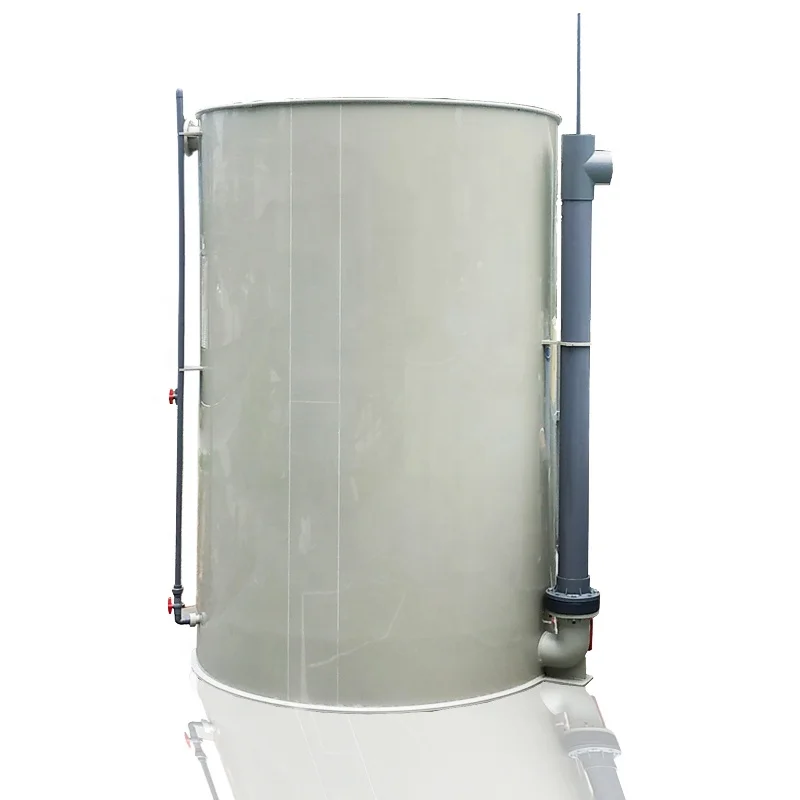
eWater produces most RAS equipment in-house. 2018, came up Gen-3 Tools for fish farming, Gen-2 proteins skimmers, Gen-3 oxygenation. offer 3 year warranty promise offer product-life quality technical support. ISO/CE certified 2016.
Our professional sales team are waiting for your consultation.

 EN
EN
 AR
AR
 BG
BG
 HR
HR
 CS
CS
 DA
DA
 NL
NL
 FI
FI
 FR
FR
 DE
DE
 EL
EL
 HI
HI
 IT
IT
 JA
JA
 KO
KO
 NO
NO
 PL
PL
 PT
PT
 RO
RO
 RU
RU
 ES
ES
 SV
SV
 TL
TL
 IW
IW
 ID
ID
 SR
SR
 UK
UK
 VI
VI
 HU
HU
 TH
TH
 TR
TR
 AF
AF
 BN
BN
 LO
LO
 LA
LA
 MY
MY
 UZ
UZ